
Jaipur is built around forts, palaces and bazaars, and two days is enough to see the main ones if you group them by area. This plan puts the Amber side of town on day one and the old city on day two. Place details come from Incredible India, and you should check opening hours and tickets on the official sites before you go.
Know before you go
- Day 1: Amber Fort, Jal Mahal, Jaigarh and Nahargarh.
- Day 2: Hawa Mahal, City Palace, Jantar Mantar, bazaars.
- Base: stay near the old city for short rides to day two sights.
- Check first: ticket prices and hours on each monument’s official page.
- Last checked: 6 November 2026.
In this guide
Day 1: forts and the lake
Amber Fort
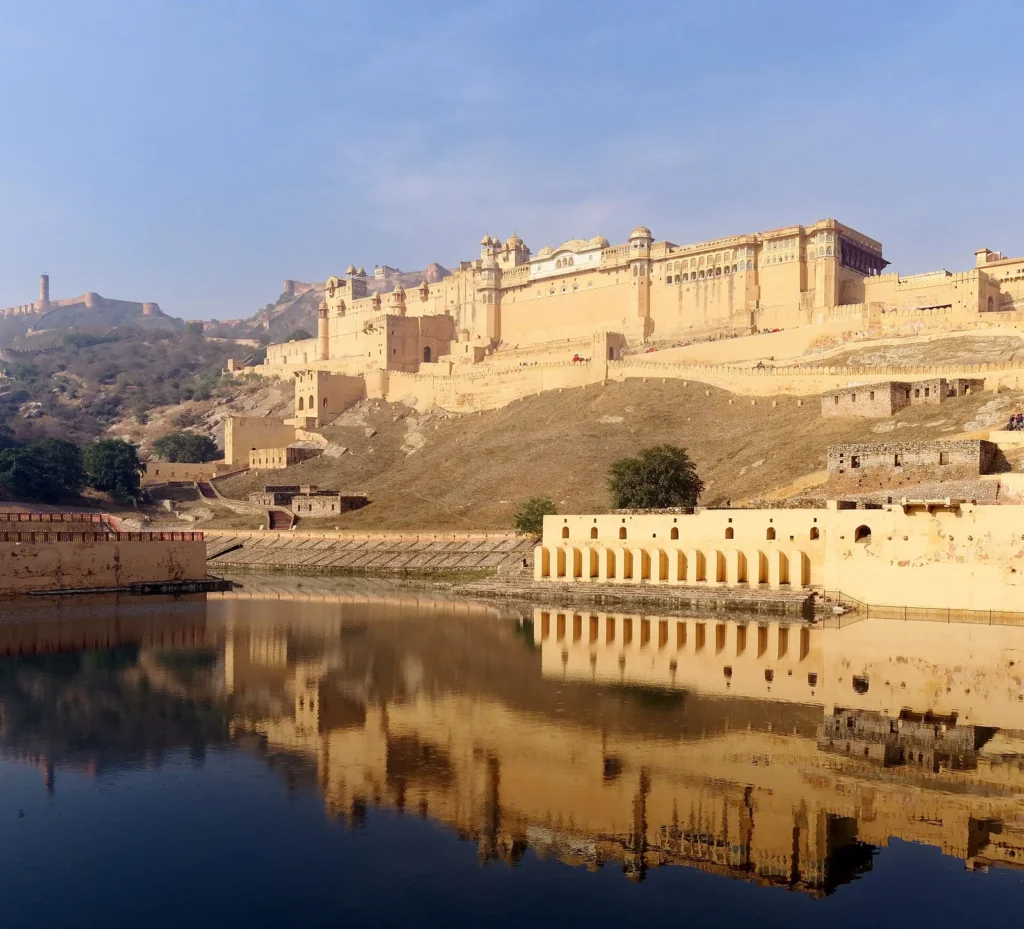
Incredible India says Amber Fort, also known as Amer Fort, is a UNESCO World Heritage Site with a history dating back to 1592. Go early, when it is cooler and quieter.
Jal Mahal
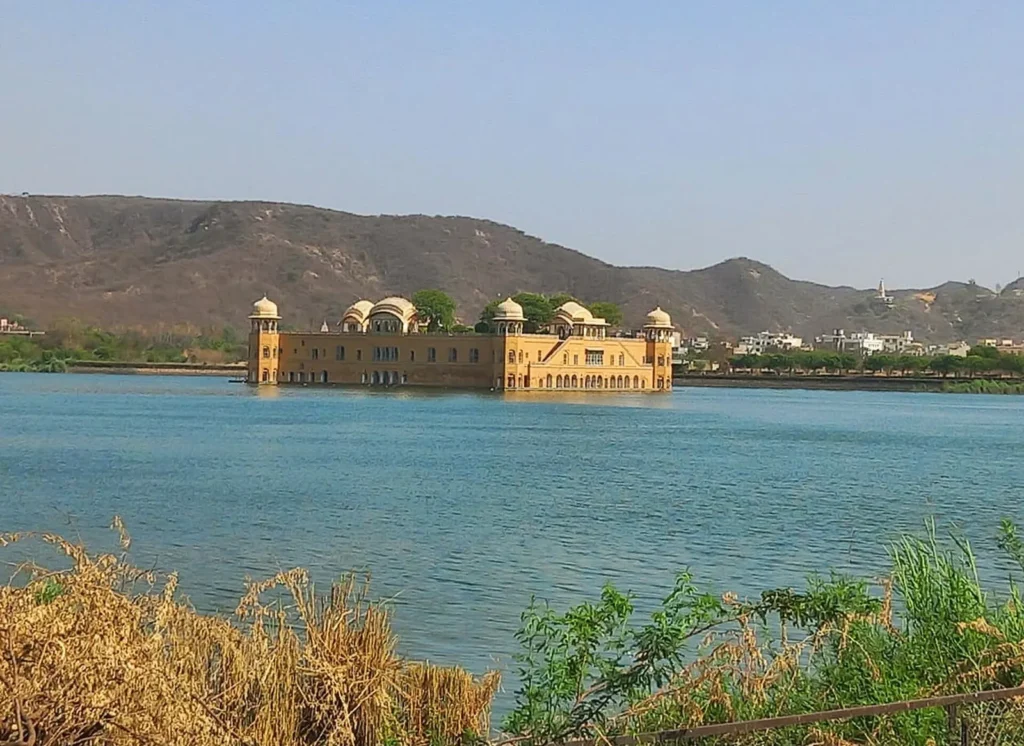
Jal Mahal sits in the middle of Man Sagar Lake and looks as if it floats on the water. Incredible India says only one of its five storeys is visible and that visitors cannot enter, so it is a photo stop from the shore.
Nahargarh Fort
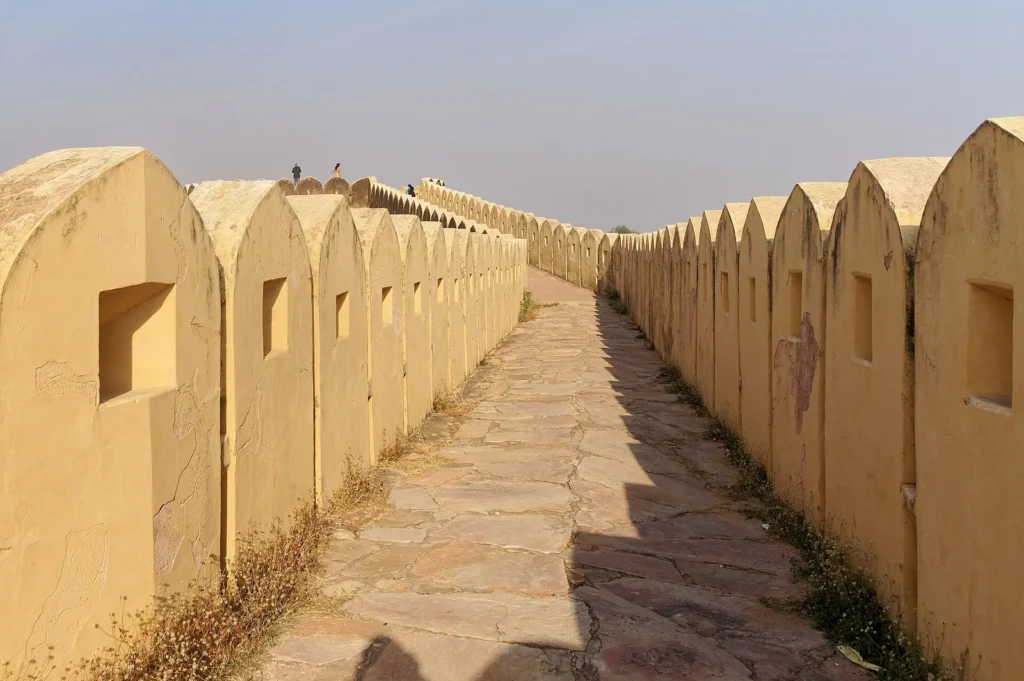
Nahargarh was once a major part of the city’s defence and is attached to Jaigarh Fort. It is a good place for a late afternoon view of the city. See our Nahargarh Fort guide for tickets and timings.
Day 2: the old city
Hawa Mahal
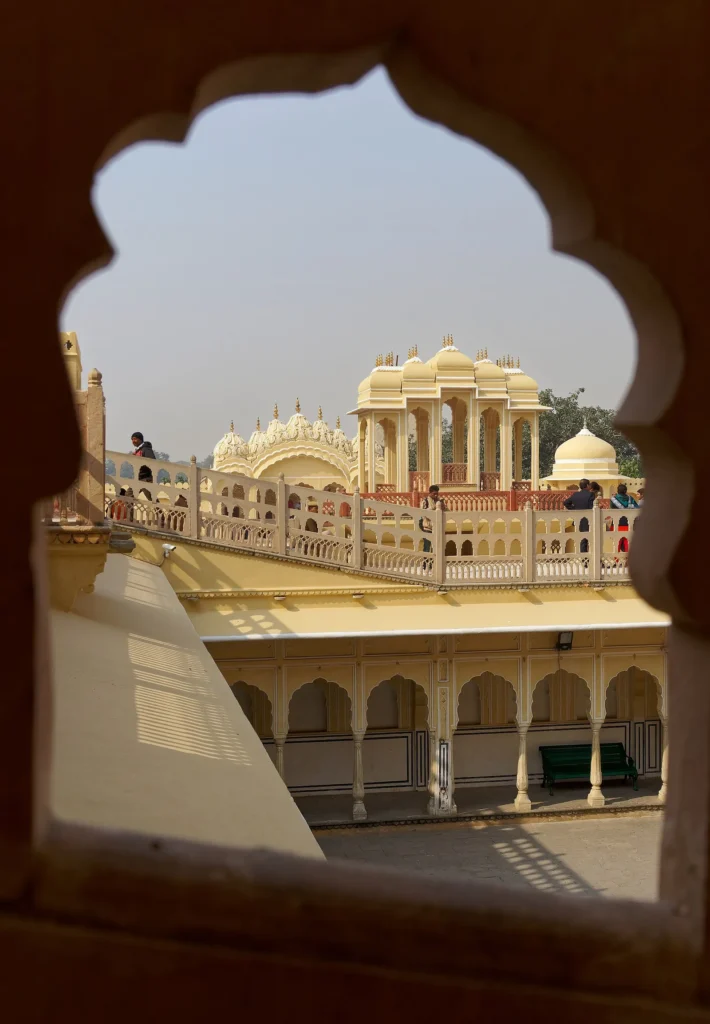
The Hawa Mahal, or Palace of Winds, was built in 1799. Incredible India says its 953 windows allowed royal women to watch street festivities without being seen. The best view of the facade is from across the street.
City Palace
The City Palace blends Rajasthani and Mughal architecture. It houses artefacts, manuscripts and the Peacock Gate, according to Incredible India.
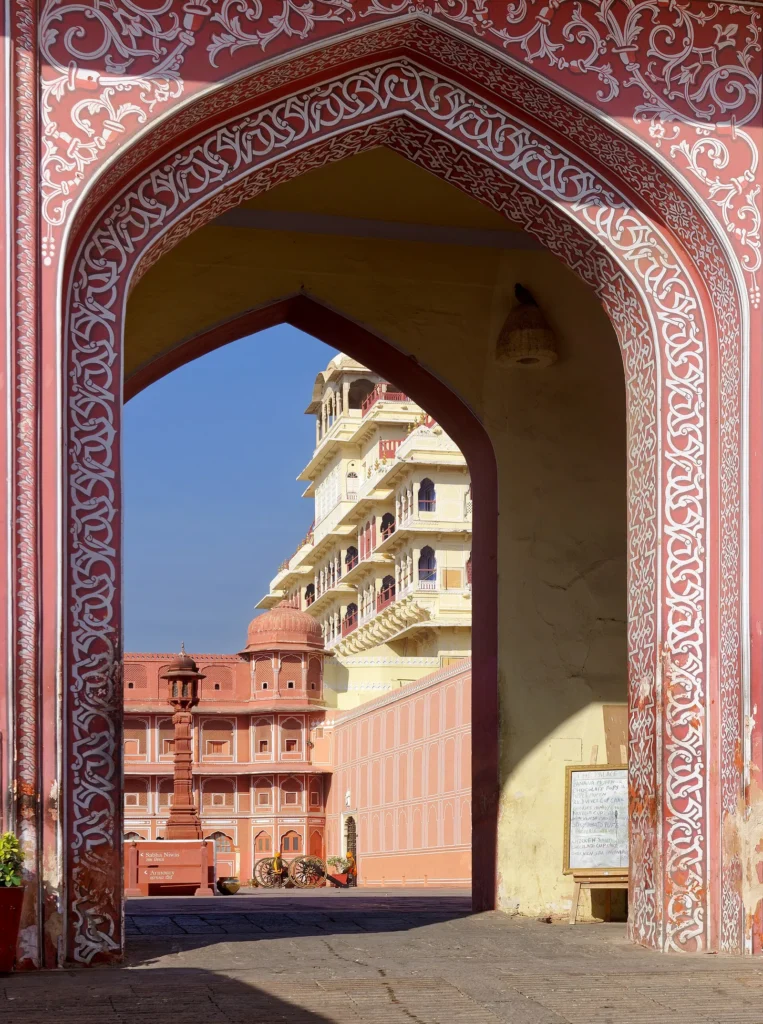
Jantar Mantar
Jantar Mantar is another UNESCO World Heritage Site. It is a collection of 19 astronomical instruments built between 1728 and 1734, and it includes the world’s largest stone sundial. A short guided tour helps make sense of the instruments.
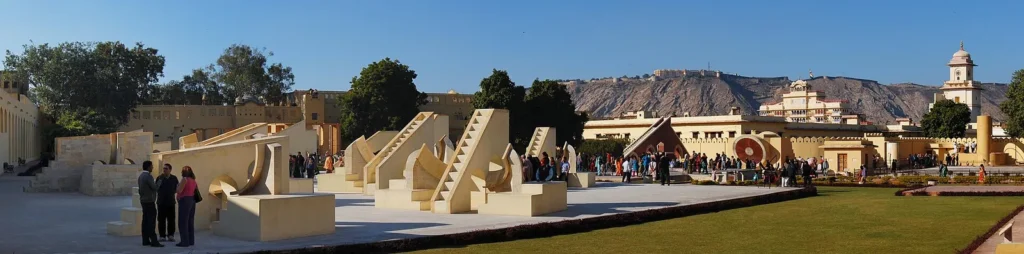
Bazaars
Incredible India names Nehru Bazar, Johari Bazaar Road, Bapu Bazar, Tripolia Bazar and Chandpole Bazar as the main shopping areas. Johari Bazaar is known for jewellery and textiles, and Bapu Bazar for mojari shoes and textiles.
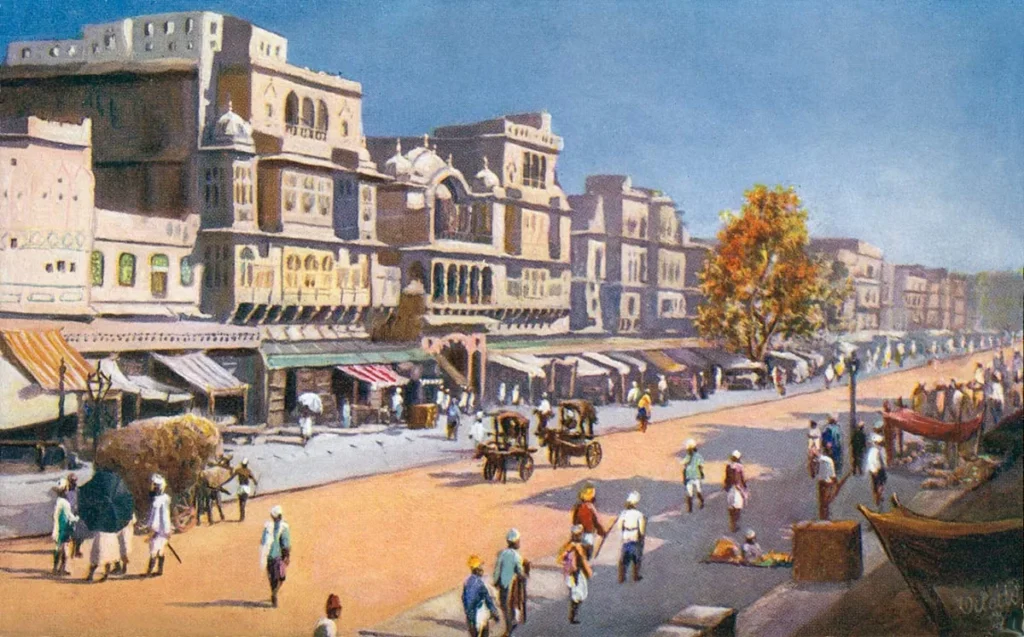
If you have extra time
The Albert Hall Museum is a good indoor stop in the afternoon heat.
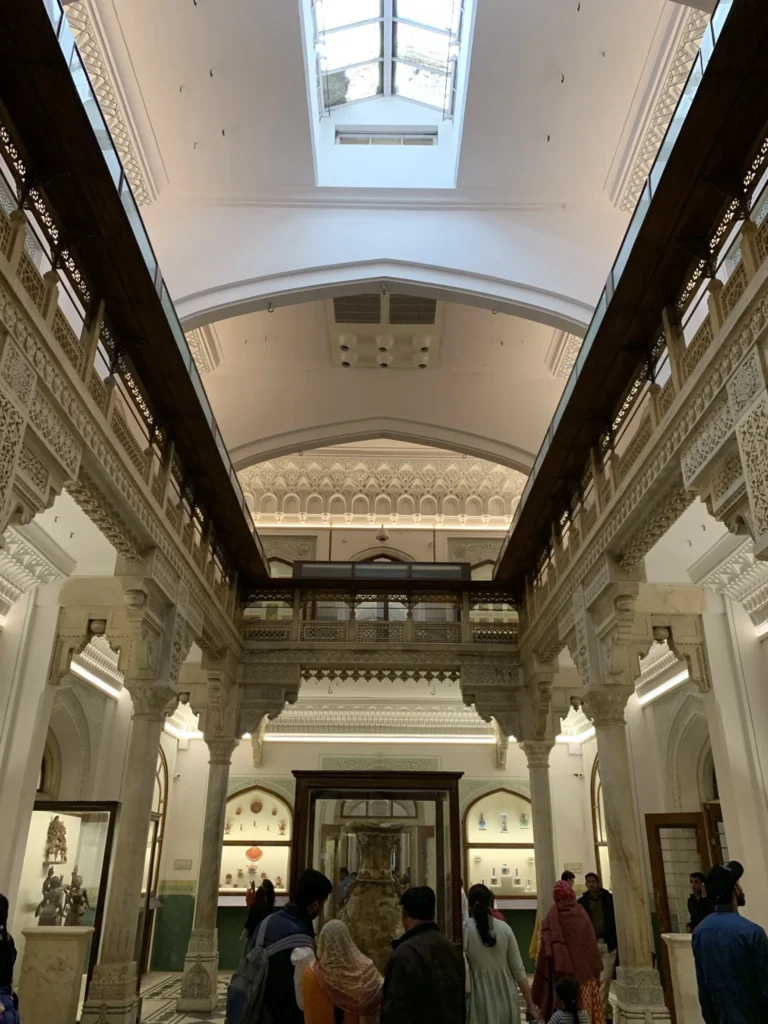
For more, read our day trips from Jaipur and the Rajasthan 7 day itinerary.
Food and timing
Try dal bati churma and kachori while you are in town. See our Rajasthani food guide. For weather, read best time to visit Rajasthan.
Tips
- Start early on both days to avoid the heat and the crowds.
- Wear comfortable shoes, because forts have slopes and stairs.
- Keep small change for rickshaws and shops.
- With more days, add a desert stay at Jaisalmer.
FAQ
Is 2 days enough for Jaipur?
Yes, for the main sights, if you group them by area.
Which Jaipur sights are UNESCO sites?
Incredible India lists Amber Fort and Jantar Mantar.
What is the best time to see Hawa Mahal?
Morning light on the facade is popular. Check opening hours before you go.
Can you enter Jal Mahal?
No. Incredible India says the building is inaccessible, so view it from the shore.
Where should I stay?
Near the old city to keep day two short.
Official resources: Incredible India on Jaipur.
Photo credits
Featured image: Jakub Hałun / Wikimedia Commons, CC BY-SA 4.0; Image: Jakub Hałun / Wikimedia Commons, CC BY-SA 4.0; Jal Mahal: Nhideath / Wikimedia Commons, CC0; Nahargarh Fort: Jakub Hałun / Wikimedia Commons, CC BY-SA 4.0; City Palace: Jakub Hałun / Wikimedia Commons, CC BY-SA 4.0; Jantar Mantar: Marcin Białek, correction by Aleks G / Wikimedia Commons, CC BY-SA 3.0; Bazaars: Paper Jewels / Wikimedia Commons, CC BY 4.0; If you have extra time: Slyronit / Wikimedia Commons, CC BY-SA 4.0.


