
Rajasthan is the state most first-time visitors picture when they think of India: hilltop forts, painted palaces, camel tracks across the Thar Desert and old cities known by their colors. It’s also big. Jaipur and Jaisalmer are a full day’s drive apart, so a good trip starts with picking a route and accepting that some places will wait for next time.
This page brings together everything we’ve written about the state: when to go, how to get around, which towns suit which kind of trip, and the ticket guides for the big forts. The list of guides at the bottom updates on its own whenever we publish a new Rajasthan post.
When to go
The best time to visit Rajasthan is October to March, when days are warm and dry and nights are cool. December and January are the coldest months, and desert nights around Jaisalmer can get properly cold, so pack a warm layer. April to June is very hot, with average highs above 104°F (40°C) in Jodhpur and Jaisalmer in May. The monsoon arrives in July and August and turns the Aravalli hills around Udaipur green, which some travelers prefer to the busy winter months.
Our month-by-month guide, Best Time to Visit Rajasthan, covers the weather city by city along with the main fairs and festivals. If heat is your worry, Mount Abu is the state’s only hill station and stays milder than the plains.
Getting there and getting around
Jaipur is the usual way in. It has an international airport, frequent trains from Delhi, and a good highway that makes the drive from Delhi a popular choice. Udaipur and Jodhpur also have airports with domestic flights, which helps if you want to fly into one city and out of another instead of doubling back.
Inside the state, trains are cheap and comfortable for longer hops such as Jaipur to Jodhpur or Jodhpur to Jaisalmer, and an overnight train saves you a hotel night. A hired car with a driver is the most flexible option for a loop that takes in smaller forts like Kumbhalgarh or Chittorgarh, which are awkward to reach by rail. Buses go almost everywhere and cost the least, though they’re slow over long distances.
How many days you need
Two days is enough for Jaipur on its own. Our 2-day Jaipur itinerary covers the main sights in the Pink City, and day trips from Jaipur adds Abhaneri, Sambhar Lake and Ajmer if you have a third day.
A week gets you the classic circuit. The 7-day Rajasthan itinerary runs through Jaipur, Udaipur, Jodhpur and Jaisalmer, which is about as much as most people can do in seven days without feeling rushed. With ten days or more you can add Pushkar, Bikaner, Chittorgarh, Kumbhalgarh or a tiger safari at Ranthambore.
Where to go in Rajasthan
Jaipur
Jaipur packs a lot into a small area. Amer Fort sits on a ridge outside the old city, Nahargarh Fort is where locals go for sunset, and the walled city has Hawa Mahal and the City Palace a short walk apart. Our longer Jaipur guide covers the museums and markets too.
Udaipur
Udaipur is the slow, lakeside stop on most routes. Boat rides on Lake Pichola, the City Palace and evenings by the water are the main draws, and the Udaipur guide walks you through them.
Jodhpur
Jodhpur’s blue old town spreads out below Mehrangarh Fort. The Jodhpur guide covers the fort, the stepwell, the markets and Umaid Bhawan Palace.
Jaisalmer and the Thar Desert
Jaisalmer is built around a sandstone fort that people still live in. Most visitors spend at least one night at a desert camp outside town. Start with our Jaisalmer guide, then read about the Sam Sand Dunes and how to choose a desert camp before you book, because camps vary a lot in quality and price.
Forts beyond the big four
Kumbhalgarh Fort is famous for its long wall, and our Kumbhalgarh ticket guide explains how to book. Chittorgarh is one of the largest forts in India and carries some of the state’s best-known Rajput history. Bikaner and Alwar see fewer tourists and make good additions once you’ve done the main circuit.
Pushkar, Ajmer and Ranthambore
Pushkar and Ajmer are close enough to see together. Our Pushkar and Ajmer guide covers the Brahma Temple and the Ajmer Sharif Dargah. For wildlife, Ranthambore safari booking explains the zones, the difference between a gypsy and a canter, and how booking works.
Festivals and where to stay
Rajasthan’s fairs are a big reason to time a trip carefully. The Pushkar camel fair takes place around the Kartik full moon, which usually falls in October or November, and the town gets very crowded then. Jaisalmer holds a desert festival in winter, and Jaipur hosts a well-known literature festival every January. Dates shift each year with the calendar, so check them before you book, and see the festivals section in our best time to visit guide.
Accommodation is one of the pleasures of the state. Many old havelis and smaller palaces have become heritage hotels, and they range from simple family-run guesthouses to very expensive palace stays. In Jaipur, staying near the old city puts you close to the main sights. In Udaipur, a room with a lake view is worth paying a little extra for. In Jaisalmer, you can stay in town, inside the fort area, or out in the dunes at a desert camp, and our desert camp guide explains what you get at each price level.
Food to try
Rajasthani cooking grew up in a dry land, so many classic dishes use lentils, gram flour, dried beans and ghee. Look for dal baati churma, gatte ki sabzi and ker sangri. Jodhpur is known for snacks like pyaaz kachori and mirchi vada, and every city has its own sweet shops. Our Rajasthani food guide lists the dishes worth trying and where to find them.
Practical tips
- Start early. Forts get hot by midday even in winter, crowds build after 10 a.m., and the morning light is better for photos.
- Check ticket rules before you go. Many monuments sell tickets online, and our ticket posts explain prices, timings and booking for the forts we cover.
- Dress for temples and shrines. Cover your shoulders and knees, and expect to take off your shoes. Carry a scarf for the Ajmer dargah, where you’ll need to cover your head.
- Card and UPI payments are common in the cities, but keep some cash in small notes for parking, small shops and tips.
- Agree on prices first. Settle the fare for an auto-rickshaw and the price of a camel ride before you set off.
- Drink more water than you think you need. The air is dry, and you lose water faster than you notice.
Rajasthan FAQ
What is the best time to visit Rajasthan?
October to March. December and January are the coolest months, while April to June is very hot across the plains. See Best Time to Visit Rajasthan for city-by-city detail.
How many days are enough for Rajasthan?
Two days covers Jaipur, and a week covers Jaipur, Udaipur, Jodhpur and Jaisalmer at a comfortable pace. Plan ten days or more if you want to add Pushkar, Ranthambore or the smaller forts.
Which city should I visit first?
Jaipur works best for most people because it has the easiest connections from Delhi. If you’re flying in from western or southern India, starting in Udaipur and ending in Jaipur also works well.
Is Rajasthan worth visiting in summer?
It’s possible but tiring. Plan sightseeing for early morning and evening, use air-conditioned trains, and consider Mount Abu, which stays cooler than the rest of the state.
Can I fit the desert into a short trip?
Jaisalmer is in the far west of the state, so allow at least two nights there once you count travel time. One of those nights can be at a camp near the Sam Sand Dunes.
Do I need a guide at the forts?
You don’t need one, but a licensed guide at a big fort like Amer or Mehrangarh adds a lot of history you’d otherwise miss. Agree on the fee and the length of the tour before you start.
Latest Rajasthan guides
-
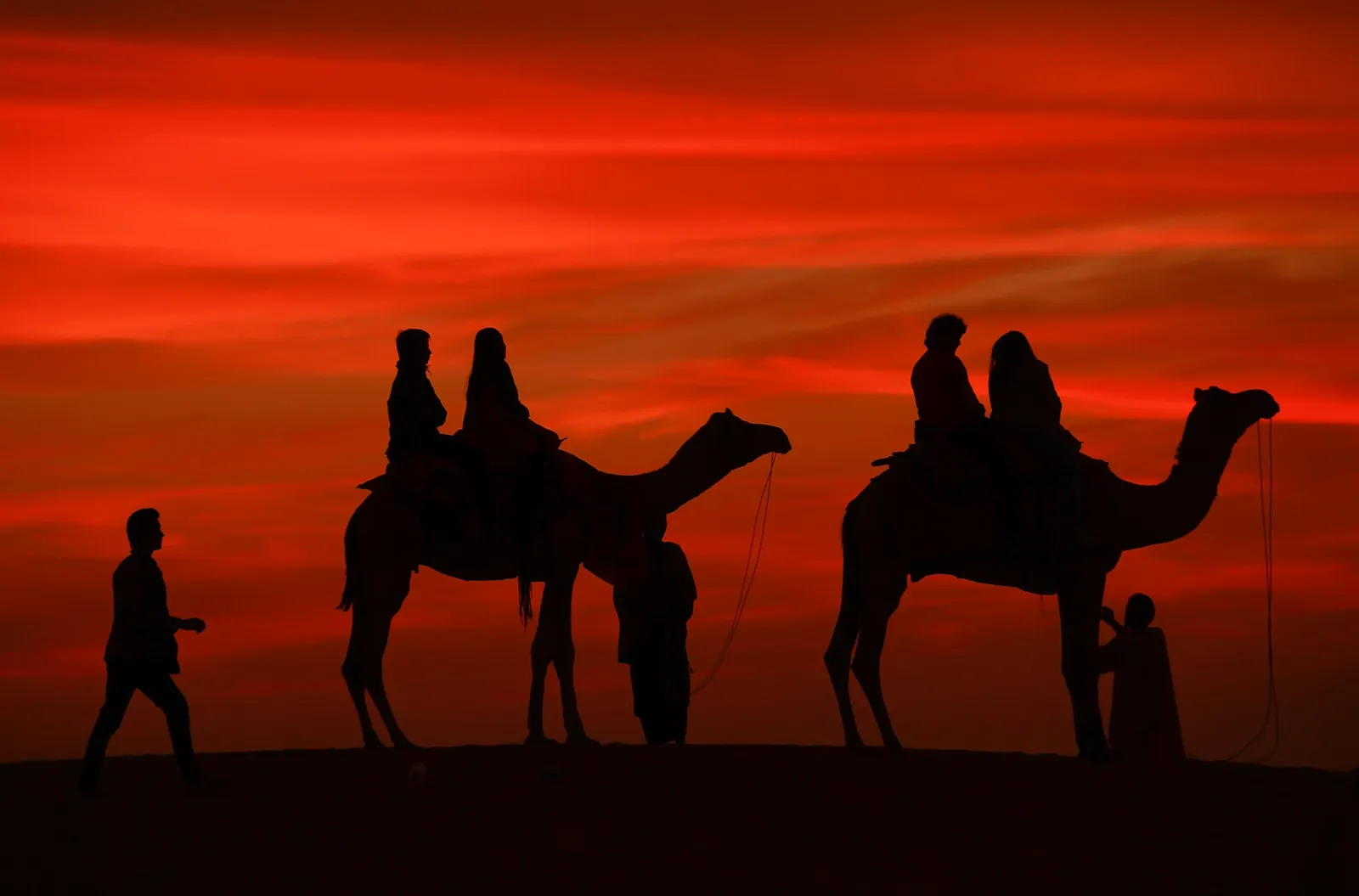
Jaisalmer Desert Camp: How to Choose One and What It Costs
What a night in a Jaisalmer desert camp costs, using the official RTDC Sam Dhani tariff for 2026 and 2027…
-
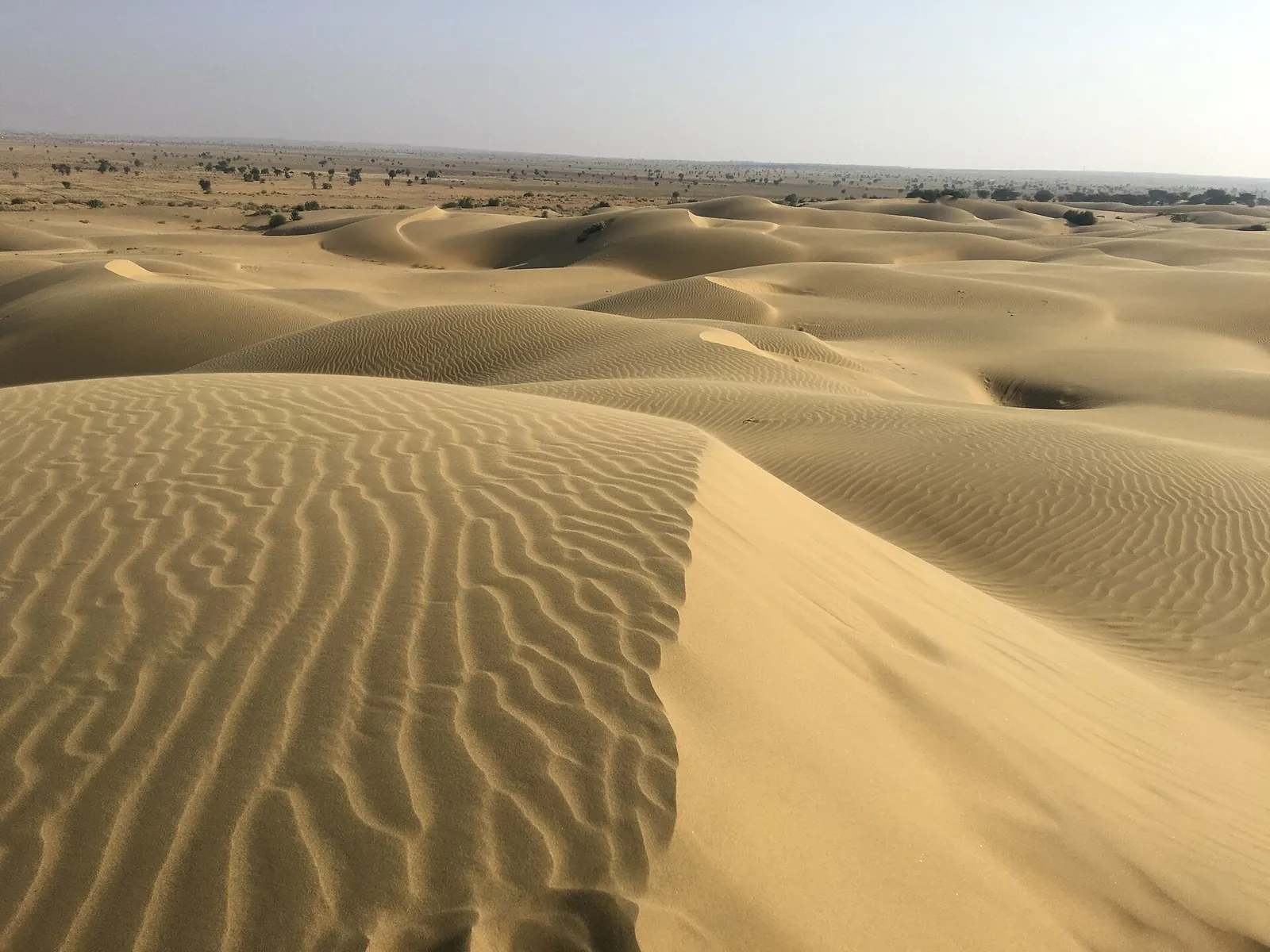
Sam Sand Dunes, Jaisalmer: Desert Camps, Camel Safari and Prices
A guide to the Sam sand dunes near Jaisalmer: how to get there, camel safaris and how prices are set,…
-

Rajasthan Itinerary for 7 Days: Jaipur, Udaipur, Jodhpur and Jaisalmer
A one-week route through Rajasthan’s four best-known cities, Jaipur, Udaipur, Jodhpur and Jaisalmer, with a stop at Kumbhalgarh, road distances…
-
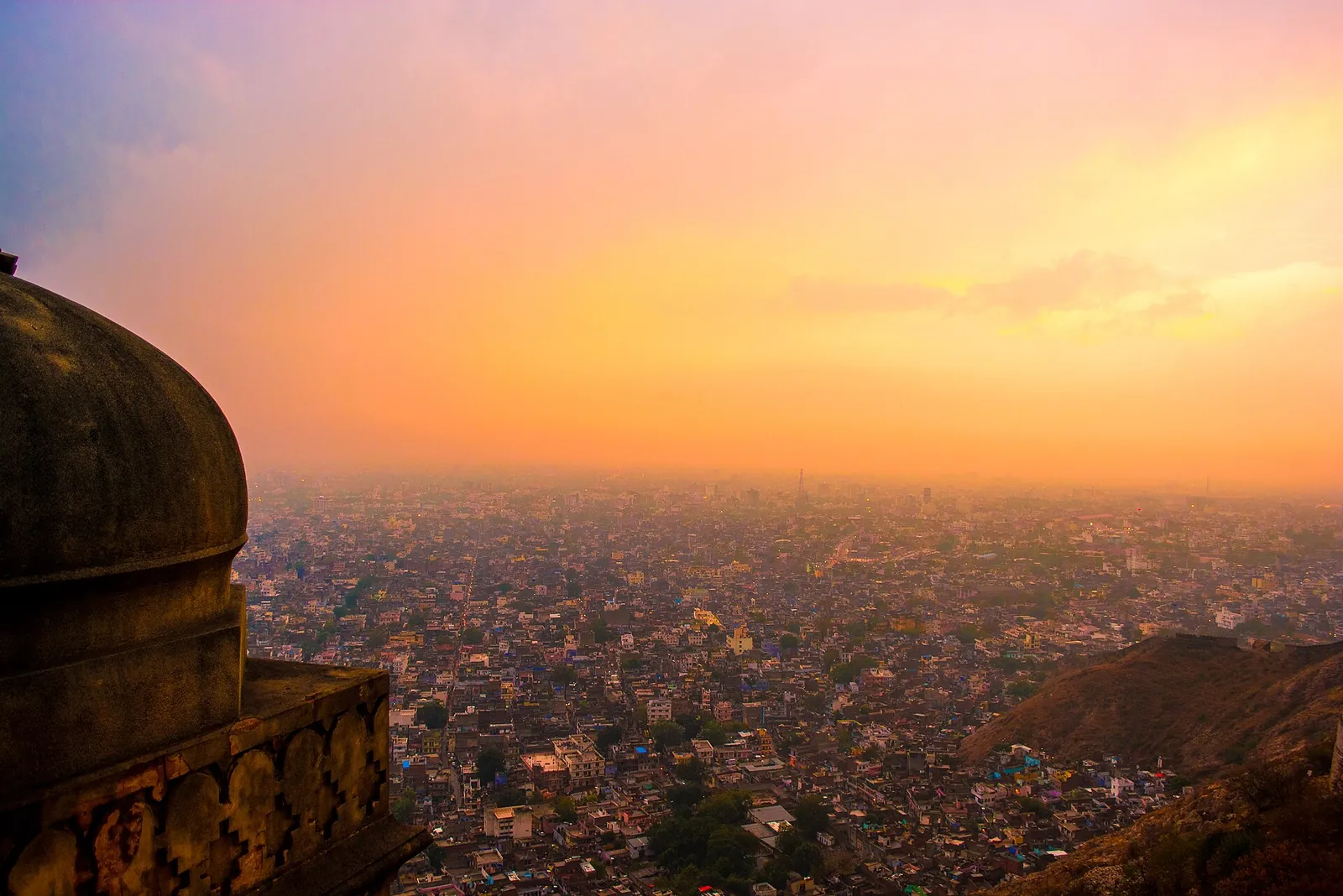
Nahargarh Fort Jaipur: Sunset Point, Tickets and How to Reach
Nahargarh Fort entry fees for 2026, what to see inside Madhavendra Bhawan, where to watch sunset over Jaipur and how…
-

Pushkar & Ajmer: A Perfect Blend of Spirituality and Heritage
Nestled in the heart of Rajasthan, Pushkar and Ajmer are two enchanting destinations that offer a unique mix of spirituality,…
-

Tickets for Kumbhalgarh Fort: A Step-by-Step Guide
Kumbhalgarh Fort, a UNESCO World Heritage Site in Rajasthan, is a must-visit for all. If you’re planning to explore this…
-

Kumbhalgarh Fort: The Great Wall of India
Nestled in the rugged Aravalli hills of Rajasthan, Kumbhalgarh Fort stands as a majestic symbol of Rajput valor and architectural…
-

Amer Fort, Jaipur: A Majestic Blend of History and Architecture
Amber Fort, also known as Amer Fort, is one of the most magnificent forts in India, standing proudly on the…
-

Chittorgarh: The Land of Valor and Heritage
Chittorgarh, also known as Chitror or Chittor or Chittaurgarh, located in Rajasthan, is a city steeped in history, bravery, and romance. Once…
-

Alwar: Escape into Rajasthan’s Mystical Past and Natural Beauty
Nestled in the heart of Rajasthan, Alwar is a city where history, culture, and nature come together to create an…
-

Jaipur: Explore the rich tapestry of Royalty and Culture
Jaipur, the capital of Rajasthan, is a city that blends history, culture, and architectural grandeur like no other. Known as…
-

Jodhpur: Journey through Rajasthan’s Timeless Blue City
Embarking on a journey to Jodhpur, the “Blue City” of Rajasthan, is like stepping into a canvas painted with hues…
