
Indian ordinary passport holders can visit Thailand without a visa for up to 30 days for tourism or short business trips. This rule took effect on 15 September 2026 and replaced the earlier 60-day exemption. If you want to stay longer than 30 days, or you are going for work, study or another purpose, you need a Thai e-Visa before you fly, applied for online at thaievisa.go.th. A single-entry tourist visa costs INR 3,000 at the Royal Thai Embassy in New Delhi. Every visitor, visa-free or not, must also fill in the free Thailand Digital Arrival Card (TDAC) online before landing.
Know before you go
- Visa-free stay: up to 30 days for Indian ordinary passport holders, tourism or short-term business, from 15 September 2026.
- Visa on arrival: India is no longer on Thailand’s visa on arrival list.
- Longer trips: apply for an e-Visa at thaievisa.go.th. Tourist visa: INR 3,000 single entry, 60 days per entry.
- Processing: about 14 working days from the date the embassy receives your fee. Fees are non-refundable.
- Where you apply: to the Thai mission covering the state you live in. You must be in India for the whole application.
- Arrival card: the TDAC is mandatory and free at tdac.immigration.go.th. Submit it within 3 days before arrival.
- Last checked: 27 October 2026 on the Royal Thai Embassy, New Delhi visa page and the embassy’s September 2026 e-Visa FAQ (links under Official resources below).
In this Article
- Is a Thailand visa free for Indians in 2026?
- What the 30-day exemption covers
- When Indians still need a Thai visa
- Thailand visa fees for Indians
- Documents and how to apply for a Thai e-Visa
- Thailand visa on arrival for Indians
- Before you land: the TDAC arrival card
- Longer stays and the DTV
- Thailand visa for Indians: FAQs
Is a Thailand visa free for Indians in 2026?
Yes, for short trips. Thailand reviewed its visa exemption and visa on arrival schemes in 2026. The Thai Cabinet approved the overall review on 19 May 2026, it was published in the Royal Gazette on 31 August 2026, and the new lists came into force on 15 September 2026. Under the revised scheme, Indian ordinary passport holders get a 30-day visa exemption for tourism and short-term business. The Royal Thai Embassy in New Delhi says this remains in place “until further announcement”.
Two things changed for Indians at the same time. The earlier 60-day exemption no longer applies to new entries, and India is not on the shortened visa on arrival list. If you entered Thailand before 15 September 2026, the stay written on your entry stamp still applies.
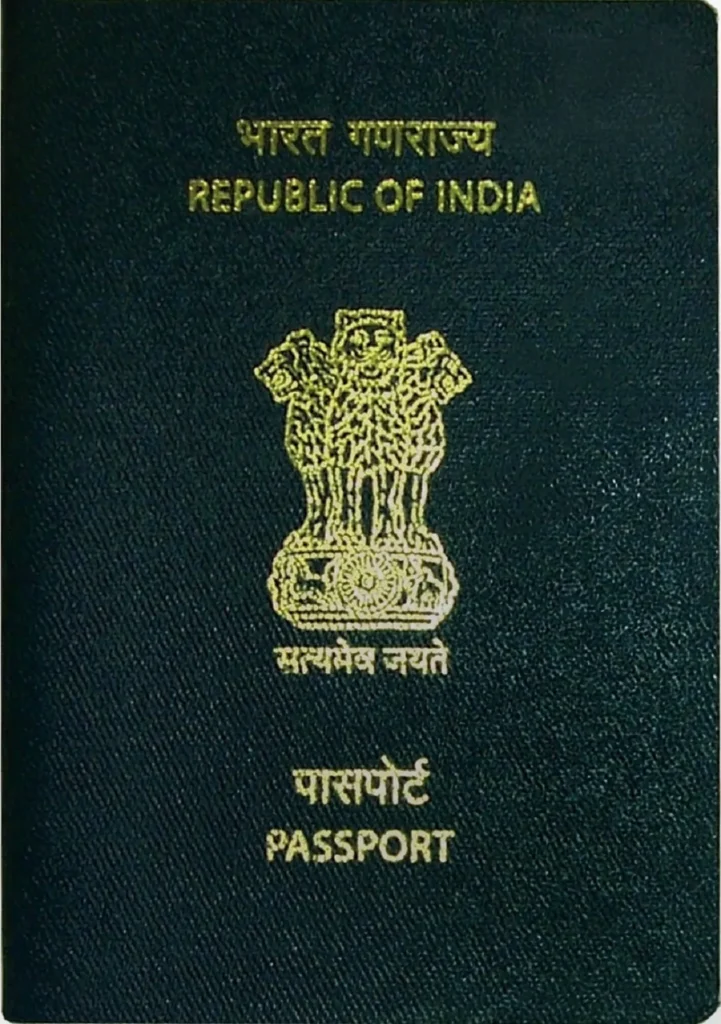
The exemption covers ordinary passports only. Holders of diplomatic and official passports fall under separate arrangements, which the embassy lists on its visa page.
What the 30-day exemption covers
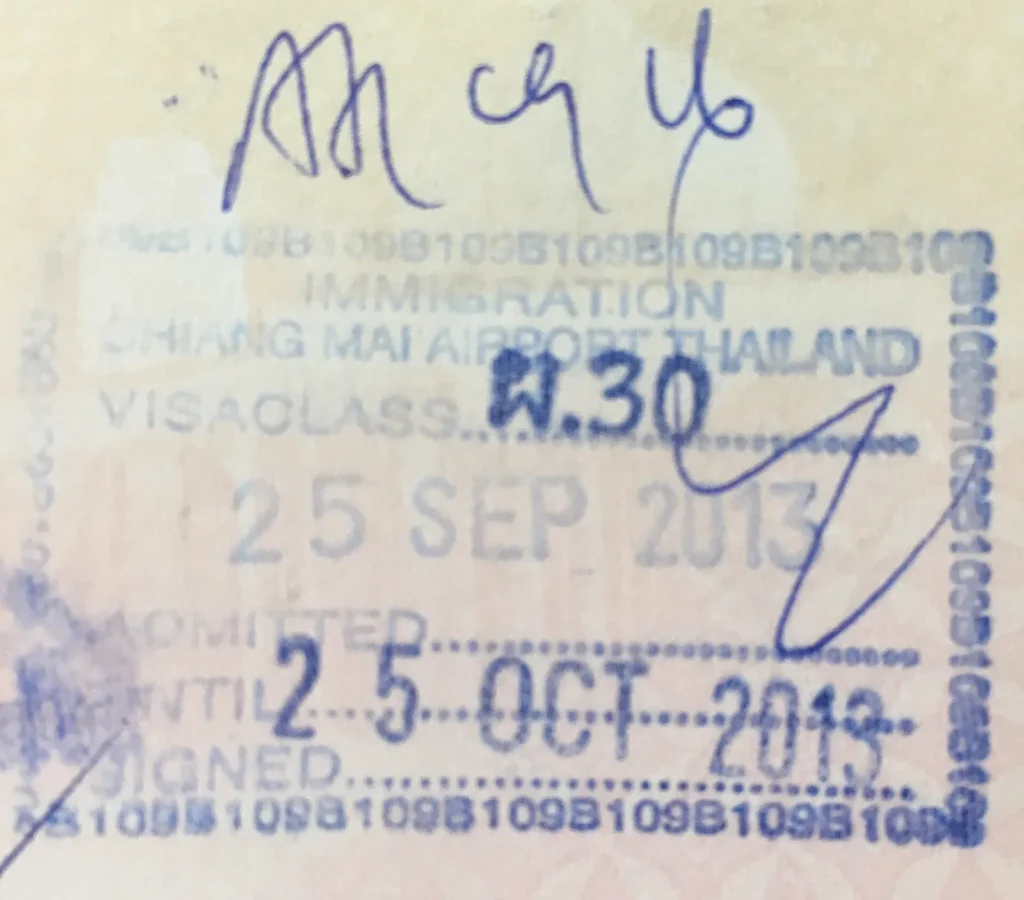
The exemption is meant for holidays, visiting friends and short business trips such as meetings. It is not permission to work. At the airport, the immigration officer stamps your passport with the date you must leave by. Check it before you walk away from the counter.
Immigration officers decide entry at the border. It makes sense to carry:
- a passport with enough validity and blank pages for the stamp
- a confirmed return or onward ticket
- hotel bookings or the address where you will stay
- your TDAC confirmation
Neither the embassy pages nor the Thai government’s announcement that we checked give a fixed amount of money you must show, so we don’t quote one here.
When Indians still need a Thai visa
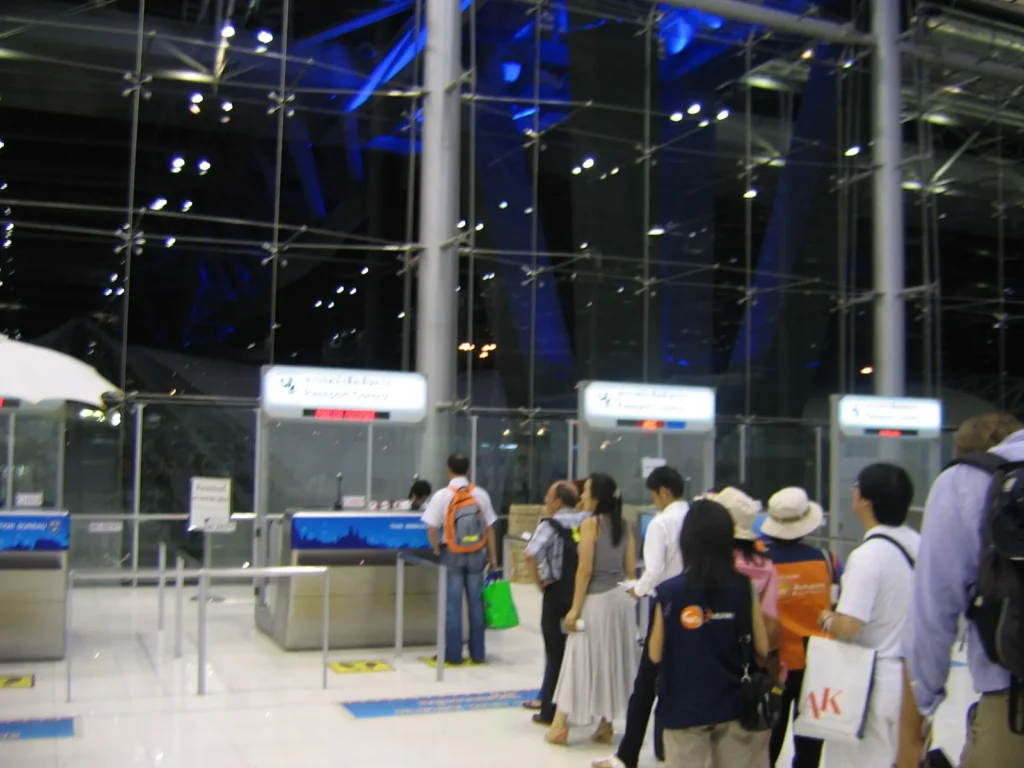
You need to apply for an e-Visa before travel if any of these apply:
- you plan to stay longer than 30 days in one visit
- you are travelling for work, study, medical treatment or another purpose outside tourism and short business
- you hold a passport type not covered by the exemption
Since 1 January 2025, all Thai visa applications from India go through the official e-Visa website, thaievisa.go.th. Paper applications at the embassy are no longer the route.
Thailand visa fees for Indians
These are the fees listed by the Royal Thai Embassy in New Delhi, checked on 27 October 2026:
| Visa | Entries | Validity | Stay per entry | Fee |
|---|---|---|---|---|
| Tourist (TR) | Single | 3 months | 60 days | INR 3,000 |
| Tourist (TR) | Multiple | 6 months | 60 days | INR 13,500 |
| Transit | Single | 3 months | 30 days | INR 2,500 |
| Non-immigrant | Single | 3 months | 90 days | INR 7,000 |
| Destination Thailand Visa (DTV) | Multiple | 5 years | 180 days | INR 30,000 |
So the answer to “Thailand visa for Indians price” depends on the trip. A holiday of 30 days or less costs nothing in visa fees. A longer holiday on a single-entry tourist visa costs INR 3,000.
Fees are non-refundable, even if the visa is refused. The New Delhi embassy does not take cash at its counter. It accepts a bank transfer or UPI payment to its DBS account, or a cash deposit at a DBS branch, and then needs the payment slip and the Payment Info Summary emailed to it. The account details are in the embassy’s e-Visa FAQ, linked from its visa page. The consulates in Kolkata, Chennai and Mumbai may use different payment methods, so check the mission you apply to.
Documents and how to apply for a Thai e-Visa

The embassy’s September 2026 FAQ and its list of common mistakes set out the basics:
- Create an account on thaievisa.go.th. A verification link is sent by email. One account can hold up to 10 applications.
- Choose the mission that covers the state where you currently are. New Delhi covers north India including Delhi, Rajasthan, Punjab, Uttar Pradesh, Uttarakhand, Himachal Pradesh, Jammu and Kashmir and the north-east. Kolkata covers Bihar, Jharkhand, Odisha, Chhattisgarh, West Bengal and the Andaman and Nicobar Islands. Chennai covers Andhra Pradesh, Karnataka, Kerala, Tamil Nadu, Telangana and Puducherry. Mumbai covers Goa, Gujarat, Madhya Pradesh and Maharashtra.
- Upload proof that you are in India, such as Aadhaar, a rent agreement or an electricity bill. You must stay in India for the whole application.
- Upload the passport bio page and a colour photo taken within the last 6 months, as JPG files under 3 MB.
- Pay the fee and send proof of payment as your mission asks.
- Wait about 14 working days from when the fee is received, then print the approved e-Visa. The embassy says a copy on your phone is not accepted.
The common mistakes list has a few points that trip up Indian applicants:
- Indian passports don’t have a separate middle name field, so leave it blank on the form. Filling it in can get the application cancelled.
- The photo must meet ICAO standards, 630 × 810 pixels on a white background, with the face filling 80 to 85 percent of the frame.
- Applying from outside India, or to the wrong mission for your state, can lead to rejection.
Questions about the e-Visa system can go to thaievisa@mfa.go.th.
Thailand visa on arrival for Indians
India was removed from the visa on arrival list when the revised scheme started on 15 September 2026. With a 30-day exemption in place, most short trips don’t need it. If you were planning to rely on visa on arrival for a stay longer than 30 days, apply for an e-Visa instead.
Before you land: the TDAC arrival card
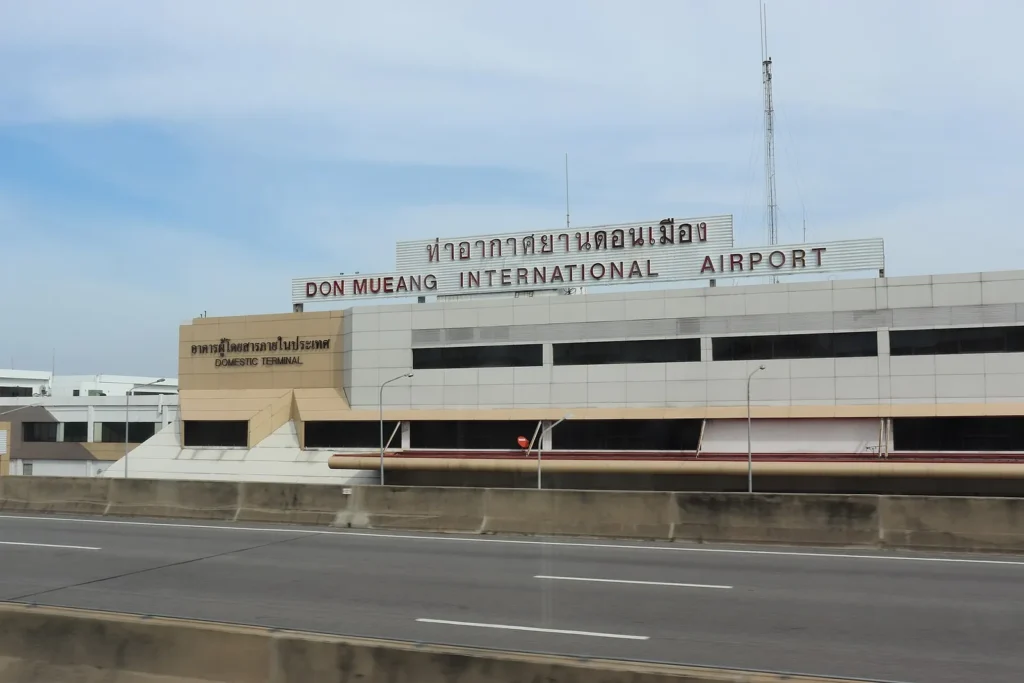
Since 1 May 2025, every foreign visitor must complete the Thailand Digital Arrival Card at tdac.immigration.go.th. It replaced the paper arrival form. Things to know:
- It is free on the official site. Thailand’s tourism ministry has warned about lookalike websites that charge for it.
- Submit it within the 3 days before you arrive, counting the arrival day.
- You need your passport, flight details, the address where you will stay, the purpose of your trip and some health information, plus an email address.
- It is not a visa. You still need either the 30-day exemption or a valid e-Visa.
Longer stays and the DTV
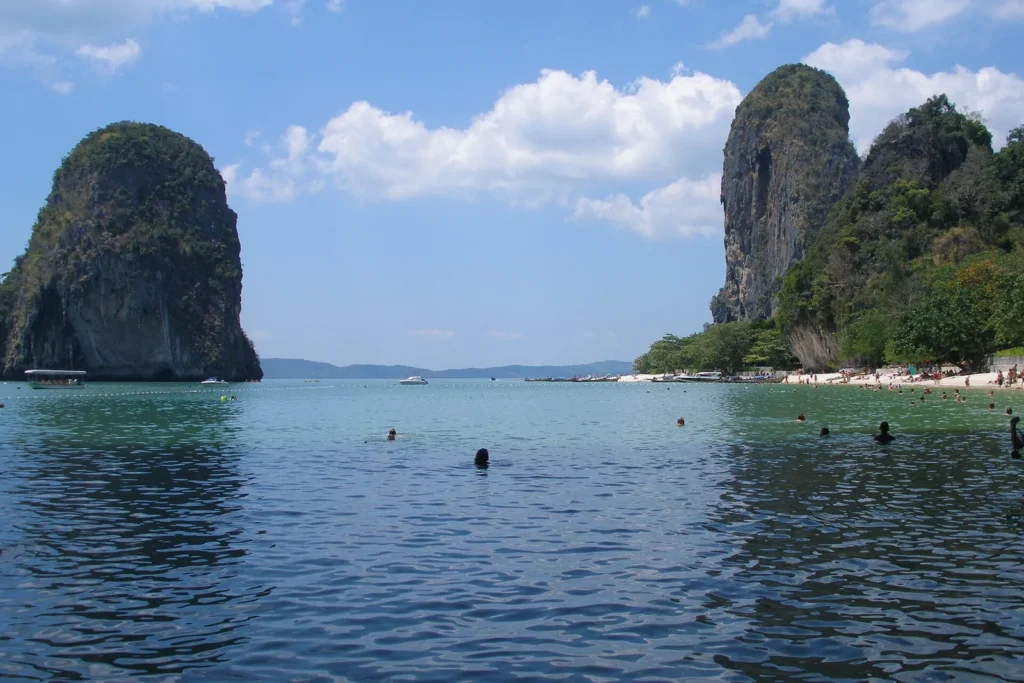
For trips longer than 30 days, the single-entry tourist visa (60 days) is the usual choice. Frequent visitors can look at the multiple-entry tourist visa, valid 6 months.
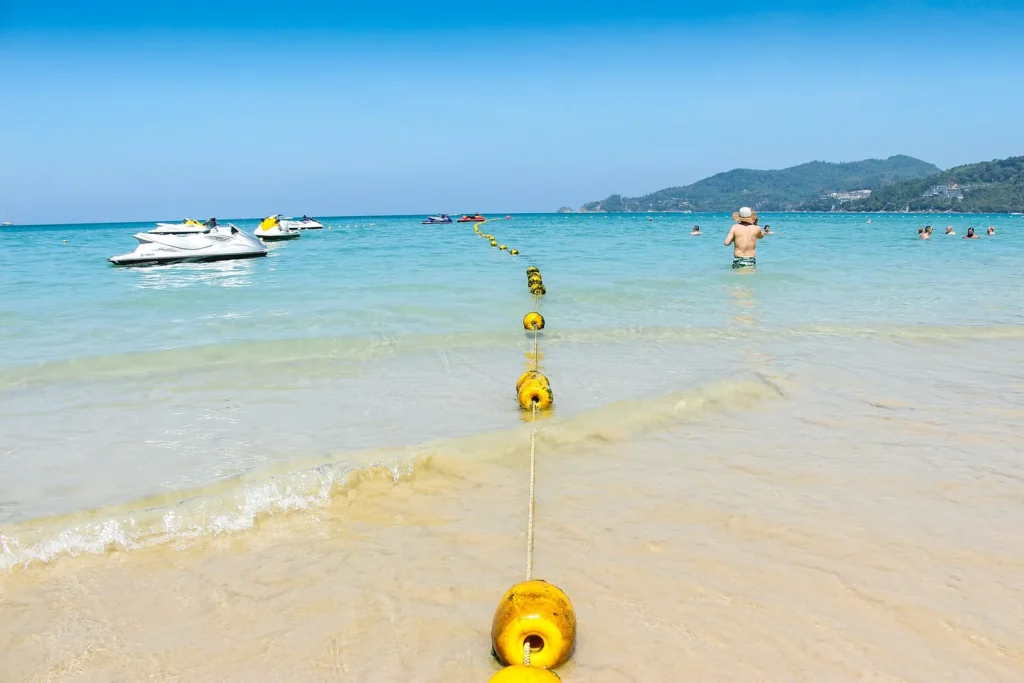
The Destination Thailand Visa is a long-stay option with its own eligibility rules. The New Delhi embassy lists it at INR 30,000 for 5 years, with stays of up to 180 days per entry. Check the eligibility rules on thaievisa.go.th before applying, as the DTV asks for more documents than a tourist visa.
Thailand visa for Indians: FAQs
Is Thailand visa free for Indians?
Yes, for stays of up to 30 days for tourism or short-term business, from 15 September 2026. Longer stays need an e-Visa.
What is the Thailand visa price for Indians in 2026?
Visa-free entry costs nothing. A single-entry tourist e-Visa costs INR 3,000 and a multiple-entry tourist visa INR 13,500 at the New Delhi embassy.
Can Indians get a Thailand visa on arrival?
Not under the scheme that started on 15 September 2026. India is not on the revised visa on arrival list.
What is the latest news on the Thailand visa for Indians?
The 60-day exemption was replaced by a 30-day exemption on 15 September 2026. The Thai Cabinet approved the 30-day arrangement for India in July 2026.
How long does a Thai e-Visa take from India?
About 14 working days from the date the embassy receives your fee payment, according to the New Delhi embassy.
Is the TDAC a visa?
No. It is a free online arrival card that every foreign visitor fills in. You still need the exemption or a visa.
Official resources: Royal Thai Embassy, New Delhi: visa information; Embassy notice on the 2026 visa exemption revision; Thailand PRD announcement. Apply on the official Thai e-Visa site and file the TDAC on the immigration site linked above.
Photo credits
Featured image: Diego Delso / Wikimedia Commons, CC BY-SA 3.0; Is a Thailand visa free for Indians in 2026?: Exec8 / Wikimedia Commons, CC BY-SA 4.0; Is a Thailand visa free for Indians in 2026?: Vikassinghhhh / Wikimedia Commons, CC BY-SA 4.0; What the 30-day exemption covers: Slleong / Wikimedia Commons, CC0; When Indians still need a Thai visa: Jarcje / Wikimedia Commons, CC BY-SA 3.0; Documents and how to apply for a Thai e-Visa: User:Mattes / Wikimedia Commons (public domain); Before you land: the TDAC arrival card: Bebiezaza / Wikimedia Commons, CC BY-SA 4.0; Longer stays and the DTV: Vyacheslav Argenberg / Wikimedia Commons, CC BY 4.0; Longer stays and the DTV: Mussi Katz / Wikimedia Commons (public domain).

