The best time to visit Vietnam depends on which part of the country you want to see, because the north, centre and south have different weather at the same time of year. Vietnam’s national tourism authority says March to May gives the best weather across the whole country. Outside that window, you can still find good weather somewhere. The north is pleasant from September to December, the south is dry from December to April, and the central coast is best from February to August, before its heavy rains arrive in autumn.
Know before you go
- Best overall: March to May, per the Viet Nam National Authority of Tourism.
- North (Hanoi, Ha Long Bay, Sa Pa): April to June or September to December.
- Centre (Hue, Da Nang, Hoi An): February to August. Avoid September to November.
- South (Ho Chi Minh City, Mekong Delta, Phu Quoc): December to April, the dry season.
- Tet 2027: Lunar New Year falls on 6 February 2027.
- Climate data: 1991 to 2020 averages from Vietnam’s met service, via the World Meteorological Organization.
In this Article
- Vietnam’s weather at a glance
- Month by month: Hanoi, Da Nang and Ho Chi Minh City
- Northern Vietnam: Hanoi, Ha Long Bay and Sa Pa
- Central Vietnam: Hue, Da Nang and Hoi An
- Southern Vietnam: Ho Chi Minh City, Mekong Delta and Phu Quoc
- Festivals and holidays
- Months to think twice about
- Best time to visit Vietnam from India
- What to pack
- FAQ
Vietnam’s weather at a glance
Vietnam is long and narrow, stretching well over a thousand kilometres from north to south. The north has a cool winter and a hot, wet summer. The south stays hot all year, with a dry season and a wet season. The central coast has its rains late, from about September to December, when storms come in from the sea.
Month by month: Hanoi, Da Nang and Ho Chi Minh City
The table gives long-term monthly averages for 1991 to 2020 from Vietnam’s national weather service, published by the World Meteorological Organization. Temperatures are average daily lows and highs in °C, and rainfall is the monthly total in millimetres.
| Month | Hanoi low/high | Hanoi rain | Da Nang low/high | Da Nang rain | HCMC low/high | HCMC rain |
|---|---|---|---|---|---|---|
| January | 14.6 / 20.0 | 28 | 19.7 / 25.2 | 83 | 23.4 / 32.0 | 12 |
| February | 16.2 / 21.3 | 19 | 20.4 / 26.3 | 22 | 23.1 / 32.7 | 8 |
| March | 18.7 / 23.5 | 55 | 22.1 / 28.4 | 36 | 24.9 / 33.6 | 18 |
| April | 21.9 / 27.7 | 79 | 24.0 / 30.9 | 50 | 26.4 / 34.5 | 57 |
| May | 24.5 / 31.7 | 188 | 25.4 / 33.4 | 71 | 26.4 / 34.9 | 202 |
| June | 26.3 / 33.8 | 231 | 26.3 / 34.9 | 68 | 25.5 / 33.5 | 224 |
| July | 26.5 / 33.3 | 300 | 26.0 / 34.4 | 92 | 25.2 / 33.0 | 231 |
| August | 25.8 / 32.5 | 335 | 25.8 / 34.0 | 167 | 25.1 / 32.9 | 219 |
| September | 24.7 / 31.6 | 195 | 24.8 / 32.0 | 394 | 25.0 / 32.6 | 273 |
| October | 22.4 / 29.6 | 126 | 23.7 / 29.6 | 658 | 25.0 / 32.3 | 240 |
| November | 19.2 / 26.3 | 48 | 22.5 / 27.7 | 486 | 24.9 / 32.4 | 128 |
| December | 15.4 / 22.1 | 24 | 20.5 / 25.3 | 272 | 23.9 / 31.6 | 41 |
Look at how the wettest months shift. Hanoi’s peak rainfall is in July and August. Da Nang gets its heaviest rain in October, with 658 mm on average. Ho Chi Minh City is wet from May to November and almost dry from January to March.
Northern Vietnam: Hanoi, Ha Long Bay and Sa Pa
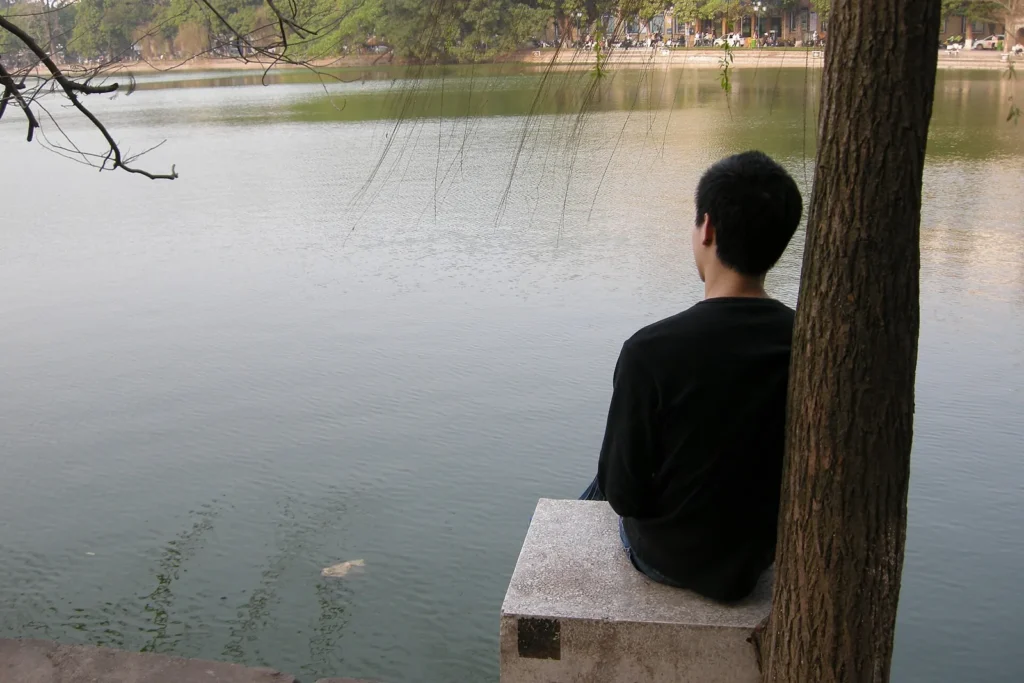
The tourism authority suggests April to June or September to December for Hanoi. From September to November the city is cooler, around 25°C, with clear skies. June to August is hot, humid and rainy. Hanoi’s winter surprises many visitors: from late December to March, lows drop to about 10°C on cold days, and the long-term January average low is 14.6°C. Pack a proper jacket if you are going then.
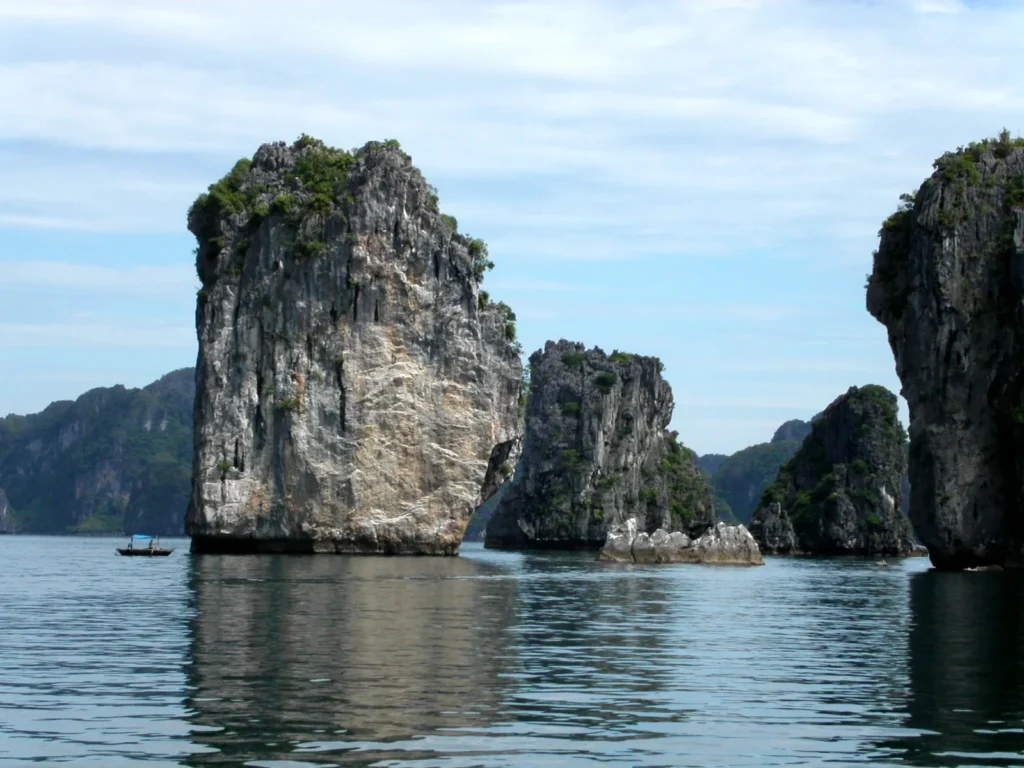
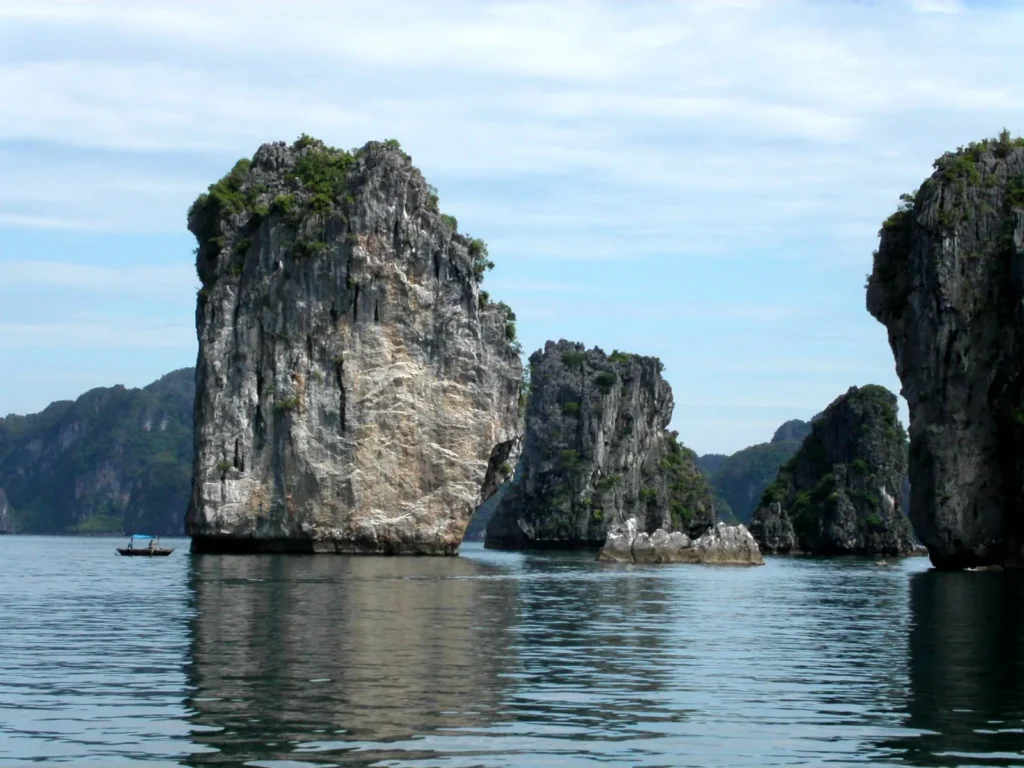
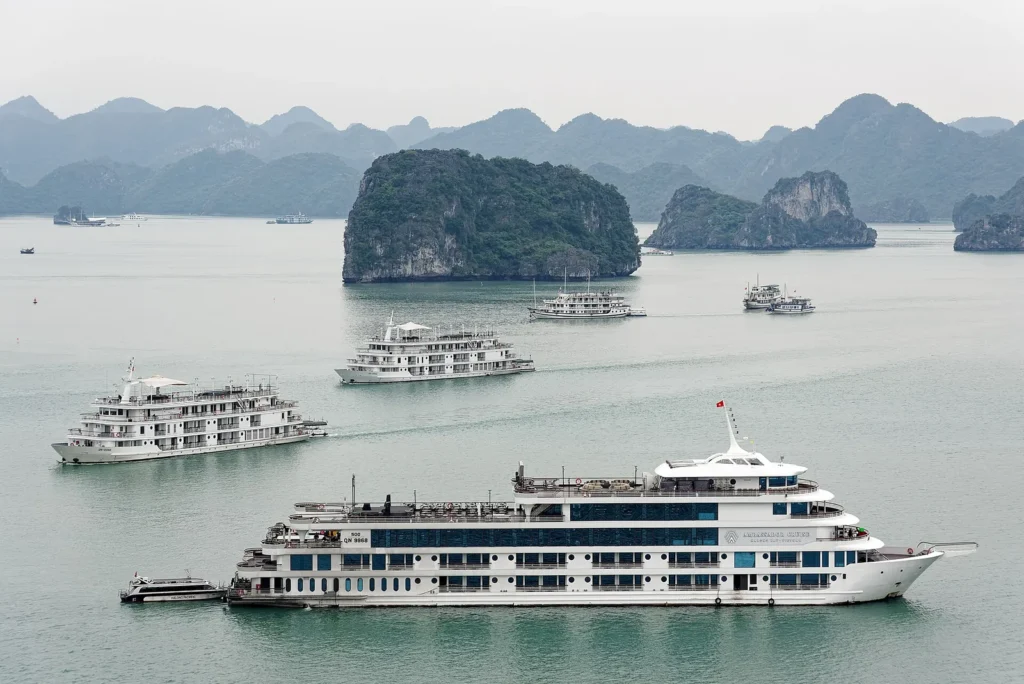
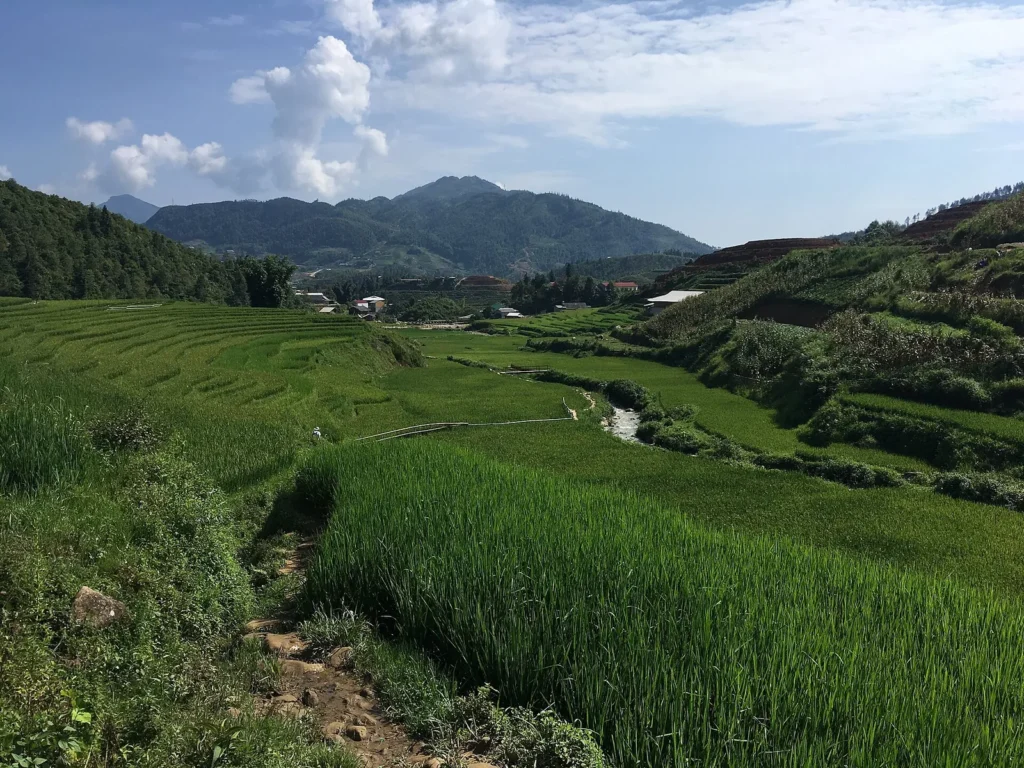
For Ha Long Bay, the tourism authority recommends April to June or September to November. At other times mist and downpours are common, and tropical storms can sometimes cancel cruises. Sa Pa, in the mountains, is much colder than the lowlands from late December to March and sees occasional snow in January. Late April, with flowers and clear skies, and early October, when the rice terraces turn golden before harvest, are its best times.
Central Vietnam: Hue, Da Nang and Hoi An
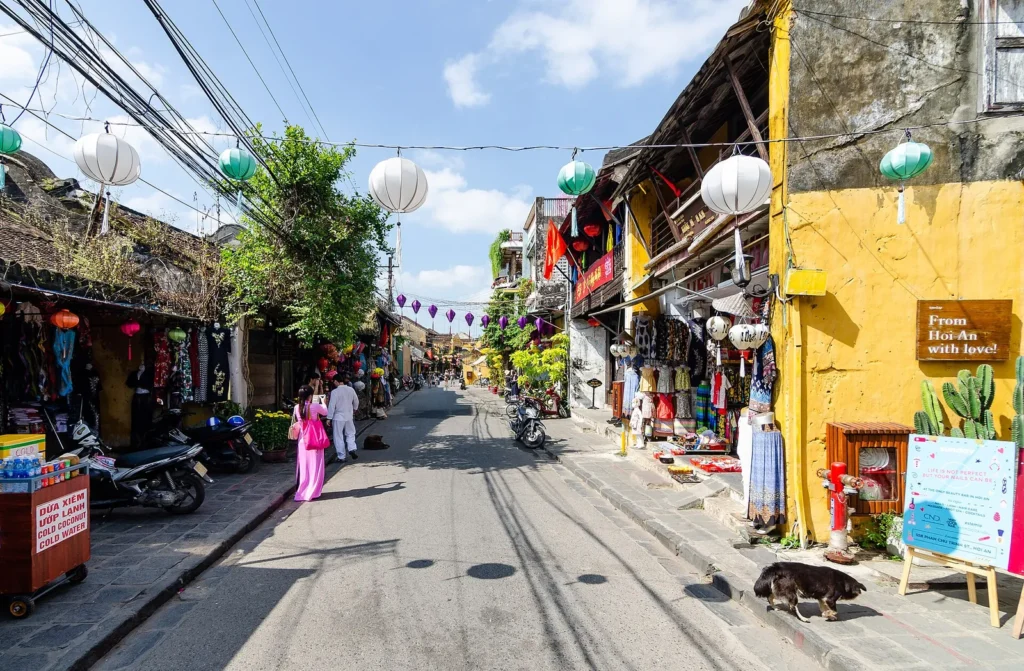
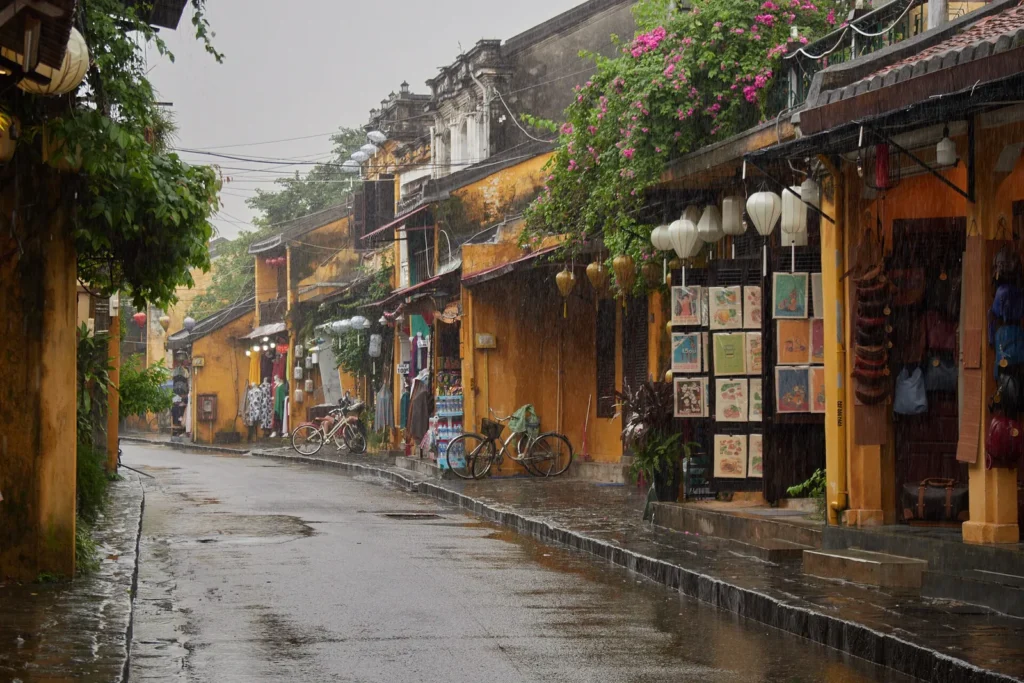
The central coast has its rainy season late in the year. Vietnam’s tourism authority says tropical storms hit the centre hard from September, and Hoi An and Hue see heavy rain and some flooding from September to November. Da Nang’s long-term figures show the same pattern, with almost 400 mm in September and more than 650 mm in October.
From February to August the centre is warm to hot and mostly sunny. March is lovely in Hoi An, with blossoms in the gardens and streets. May to August is hot, a good time for the beach. Our Ba Na Hills and Golden Bridge guide covers the main day trip from Da Nang, which is best on a clear day.
Nha Trang, further south on the coast, has the shortest rainy season in Vietnam according to the tourism authority, with rain mostly between September and December. Its long-term rainfall peaks at 400 mm in November.
Southern Vietnam: Ho Chi Minh City, Mekong Delta and Phu Quoc
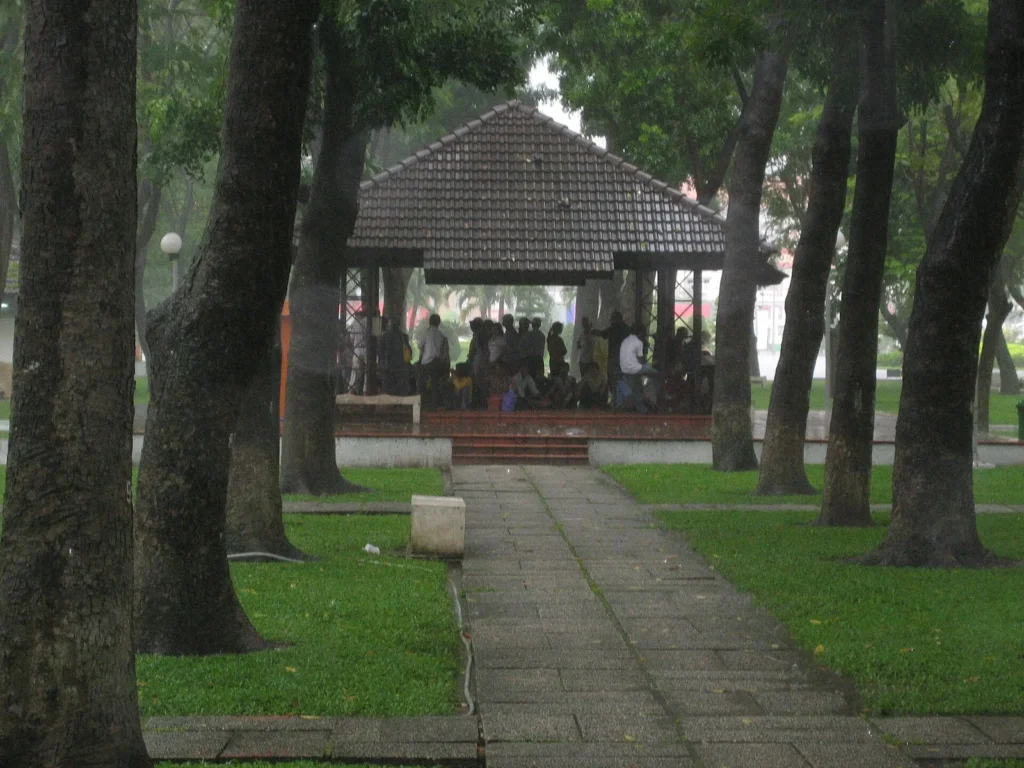
The south is hot all year, around 30°C most days. From December to April skies are clear and dry. From May to November the wet season brings a dependable afternoon downpour that usually lasts a few hours, so mornings are often fine for sightseeing.
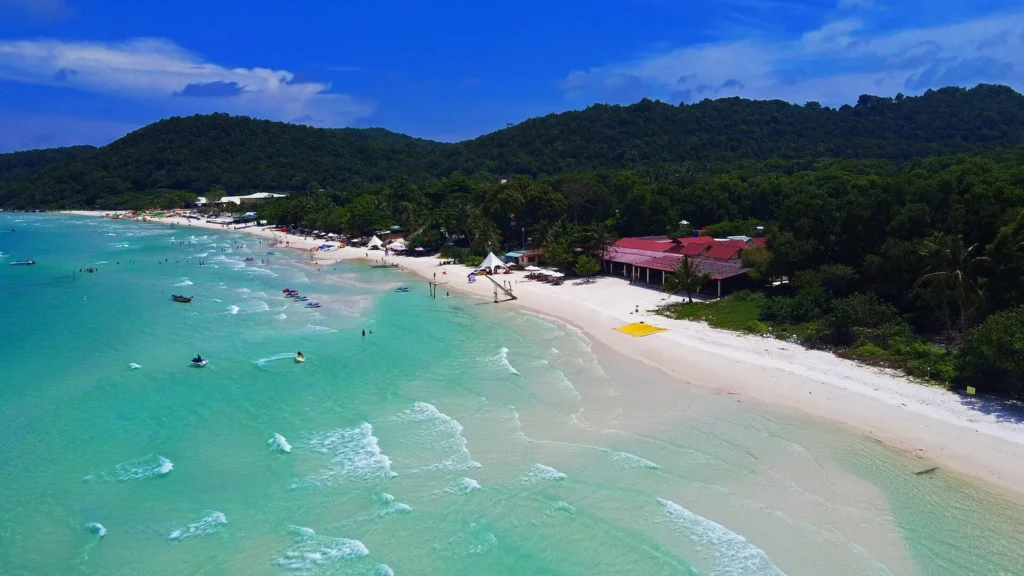
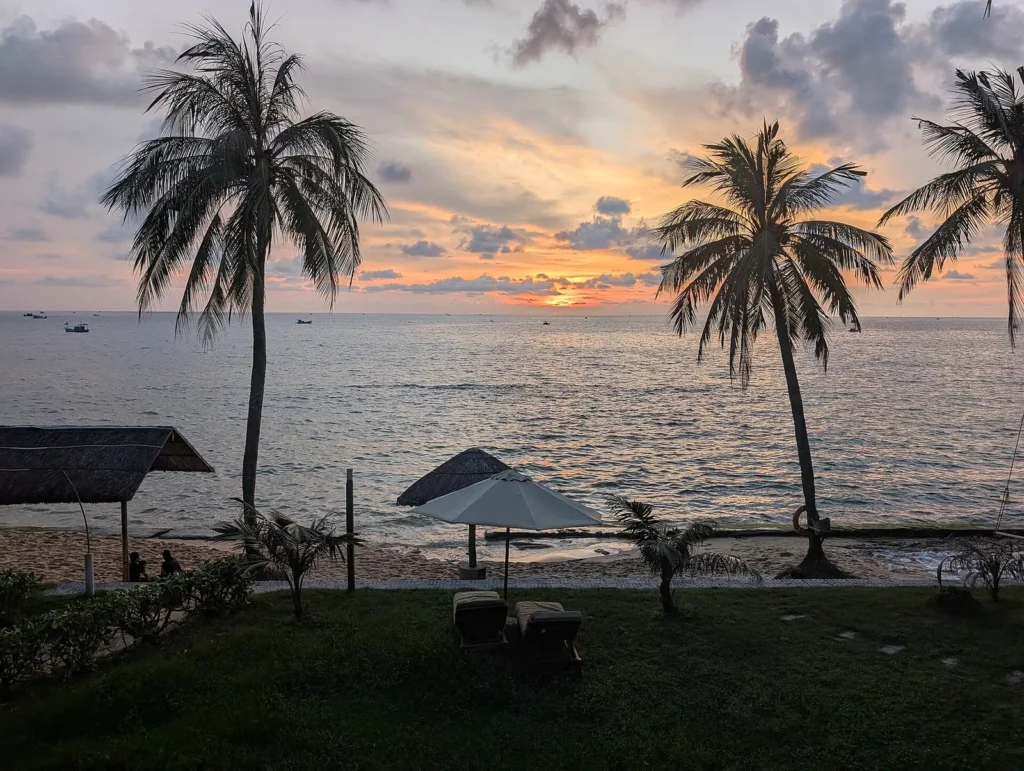
Phu Quoc follows a slightly different pattern. The tourism authority says its rainy season runs from July to September, when storms can make ferry crossings dangerous. The rest of the year is hot and dry, and December and January are especially good.
Festivals and holidays
Tet, the Lunar New Year, is the biggest holiday in Vietnam. Lunar New Year’s Day falls on 6 February 2027, and Vietnam’s Ministry of Home Affairs has set the public sector Tet break from 4 to 10 February 2027. Around Tet, many Vietnamese travel home, transport is booked out, and some family run shops and restaurants close for a few days. Big cities are quieter and decorated with flowers. If you visit then, book transport and rooms early.
Months to think twice about
- September to November on the central coast, for storms and flooding.
- June to August in Hanoi, which is hot, humid and wet.
- July to September on Phu Quoc, when storms disrupt boats.
- Tet week, unless you want to see the festival and have booked ahead.
Best time to visit Vietnam from India
For Indian travellers, the months either side of the Indian summer work well. March and April catch good weather across Vietnam before Indian school holidays peak. October to December suits a northern trip and the south as its dry season starts, though you should skip the central coast in October and November. Our Vietnam itinerary for 10 days runs north to south, and the Vietnam visa guide for Indians explains the e-visa.
If you are pairing Vietnam with Cambodia, the dry season in southern Vietnam, December to April, is the easiest time to combine the two.
What to pack
A light rain jacket or umbrella is useful in every season somewhere in the country. For Hanoi and Sa Pa from December to March, bring warm layers. For the south and the beaches, pack light cotton clothes, sunscreen and a hat. Carry a scarf or light layer to cover shoulders and knees when visiting temples and pagodas.
FAQ
Which is the best month to visit Vietnam?
April is a strong choice for the whole country. It falls in the March to May window that Vietnam’s tourism authority recommends nationwide, before the summer rains in the north and south.
Is November a good time to visit Vietnam?
November is good in Hanoi, which is cool and dry, and in the south as the rains ease. The central coast is still in its rainy season, with Da Nang averaging 486 mm in November.
Is September a good time to visit Vietnam?
September is mixed. Hanoi starts to cool down, but it is still wet in Ho Chi Minh City and the storm season is starting on the central coast.
When is the best time to visit Phu Quoc?
From October to June, and especially December and January, according to the tourism authority. July to September is its stormy season.
Official resources: Vietnam Tourism: Weather and climate; World Meteorological Organization climate data for Hanoi, Da Nang, Ho Chi Minh City and Nha Trang; Ministry of Home Affairs: Tet 2027 holiday
Photo credits
Featured image: Thomas Hirsch / User:Ravn / Wikimedia Commons, CC BY-SA 3.0; Month by month: Hanoi, Da Nang and Ho Chi Minh City: Vyacheslav Argenberg / Wikimedia Commons, CC BY 4.0; Northern Vietnam: Hanoi, Ha Long Bay and Sa Pa: Jakub Hałun / Wikimedia Commons, CC BY 4.0; Northern Vietnam: Hanoi, Ha Long Bay and Sa Pa: Christophe95 / Wikimedia Commons, CC BY-SA 4.0; Central Vietnam: Hue, Da Nang and Hoi An: Steffen Schmitz (more photos) / Wikimedia Commons, CC BY-SA 4.0; Central Vietnam: Hue, Da Nang and Hoi An: lumoplank / Wikimedia Commons, CC0; Southern Vietnam: Ho Chi Minh City, Mekong Delta and Phu Quoc: thalling55 / Wikimedia Commons, CC BY 2.0; Southern Vietnam: Ho Chi Minh City, Mekong Delta and Phu Quoc: [//commons.wikimedia.org/wiki/User:Trantuonglam Trantuonglam] / Wikimedia Commons, CC BY-SA 4.0; Best time to visit Vietnam from India: Elmschrat / Wikimedia Commons, CC0.