Indian citizens with ordinary passports need a visa to visit Vietnam, and the easiest way to get one is the official e-visa. You apply online, pay USD 25 for a single entry or USD 50 for multiple entries, and the visa can be valid for up to 90 days. The Vietnamese Ministry of Public Security says applications are processed within 3 working days. There is no visa-free entry for Indian tourists, and no walk-up visa on arrival for a holiday.
Know before you go
- Visa type: e-visa, issued by the Vietnam Immigration Department. Open to citizens of all countries since 15 August 2023.
- Validity: up to 90 days, single or multiple entry.
- Fee: USD 25 single entry, USD 50 multiple entry. Not refunded if the visa is refused.
- Processing: within 3 working days of receiving the application and fee, per the Ministry of Public Security.
- Apply at: evisa.gov.vn or thithucdientu.gov.vn, the two official domains since 11 November 2024.
- Upload: a portrait photo (4 x 6 cm format) and the photo page of your passport.
- Visa-free for Indians? Only for diplomatic and official passports, per Vietnam’s Ministry of Foreign Affairs. Ordinary passport holders need a visa.
- Last checked: 27 October 2026 on the Vietnam Immigration Department portal, the Ministry of Public Security service page, Vietnam’s Ministry of Foreign Affairs exemption list and the US Embassy in Vietnam (links under Official resources below).
In this Article
Do Indians need a visa for Vietnam?
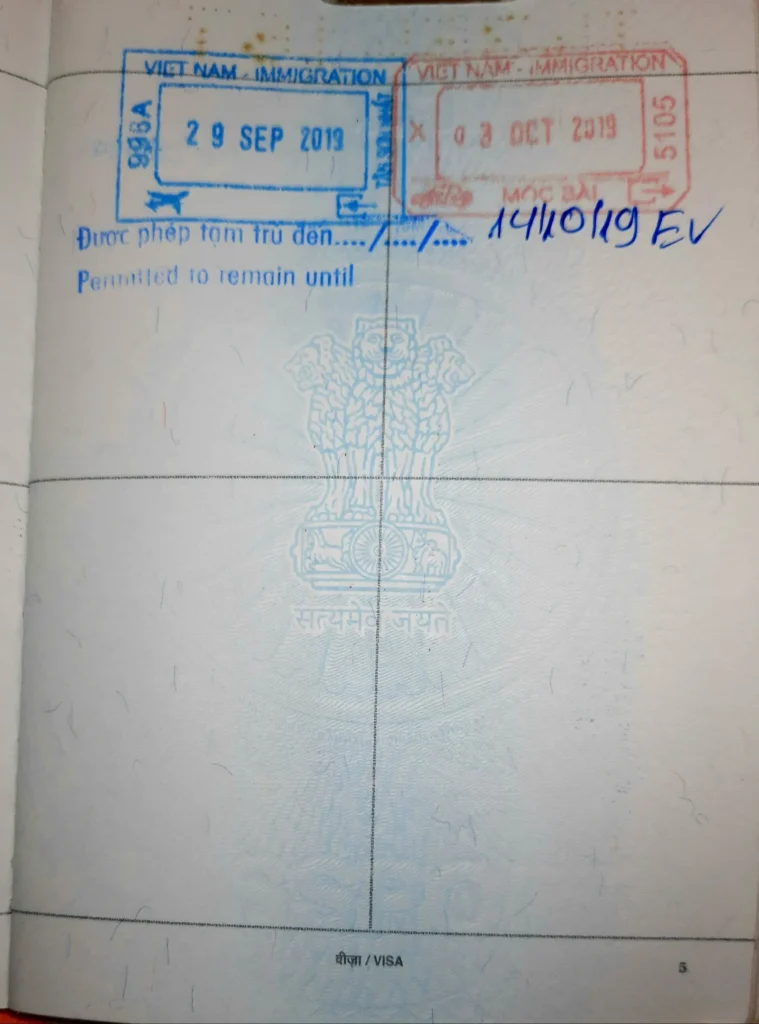
Yes. Vietnam’s Ministry of Foreign Affairs publishes a list of countries whose citizens can enter without a visa. India is on it, but only for diplomatic and official passports. Holders of the ordinary blue passport that most travellers carry need a visa for tourism, business or family visits.
Vietnam does give visa-free entry to some European and Asian countries, so you may see posts saying Vietnam is now visa-free. That policy does not cover Indian ordinary passports. The e-visa is the route for most Indian visitors.
How the Vietnam e-visa works
The e-visa is a visa issued online by the Vietnam Immigration Department. Since 15 August 2023 it has been open to citizens of every country and territory. The Immigration Department’s portal sets out the main rules:
- it can be valid for up to 90 days
- you choose single or multiple entry when you apply
- you must be outside Vietnam when you apply
- you need a valid passport
- the fee is paid online through the portal’s payment gateway and is not refunded if the visa is refused
Since 11 November 2024 the official e-visa portal has run on two domains, evisa.gov.vn and thithucdientu.gov.vn. Many private websites with similar names offer to apply for you and charge a service fee on top. They are not the government site. If a page asks for much more than USD 25 or USD 50, check the address before you pay.
Vietnam visa fees for Indians
| E-visa type | Official fee | Validity |
|---|---|---|
| Single entry | USD 25 | up to 90 days |
| Multiple entry | USD 50 | up to 90 days |
These are the fees listed by Vietnam’s Ministry of Public Security and repeated by the US Embassy in Vietnam. You pay in US dollars online, so your bank will convert the amount to rupees at its own rate and may add a foreign transaction charge. That is why the INR amount on your card statement can differ a little from what a friend paid.
The fee is the same whether you plan a 5-day trip or a 60-day one. If there is any chance you will cross into Cambodia or Laos and come back, the multiple entry e-visa saves you a second application.
How to apply, step by step
- Open the official portal at evisa.gov.vn or thithucdientu.gov.vn and choose the option for foreigners outside Vietnam.
- Fill in the form with your passport details, travel dates, intended entry and exit points and where you will stay.
- Upload a recent portrait photo and a clear photo of your passport’s data page.
- Submit the form. You will get an application code. Save it.
- Pay the fee online. Processing starts after the fee is received.
- Check the result with your application code. If the visa is granted, download and print it.
The Ministry of Public Security says processing takes up to 3 working days. Working days exclude weekends and Vietnamese public holidays, so apply well before your flight, especially around Tet, the Lunar New Year.
Check every detail against your passport before submitting. A wrong passport number or date of birth can make the visa unusable, and the fee is not refunded.
Documents you need
- passport valid for your whole trip, with blank pages
- a portrait photo for upload
- a scan or clear photo of the passport data page
- an international debit or credit card for the fee
- your planned entry date and the airport or border crossing you will use
- the address of your first hotel or stay
Airlines may also ask for a return or onward ticket when you check in for Vietnam. Keep a printed copy of the e-visa with your passport.
Where you can enter on an e-visa
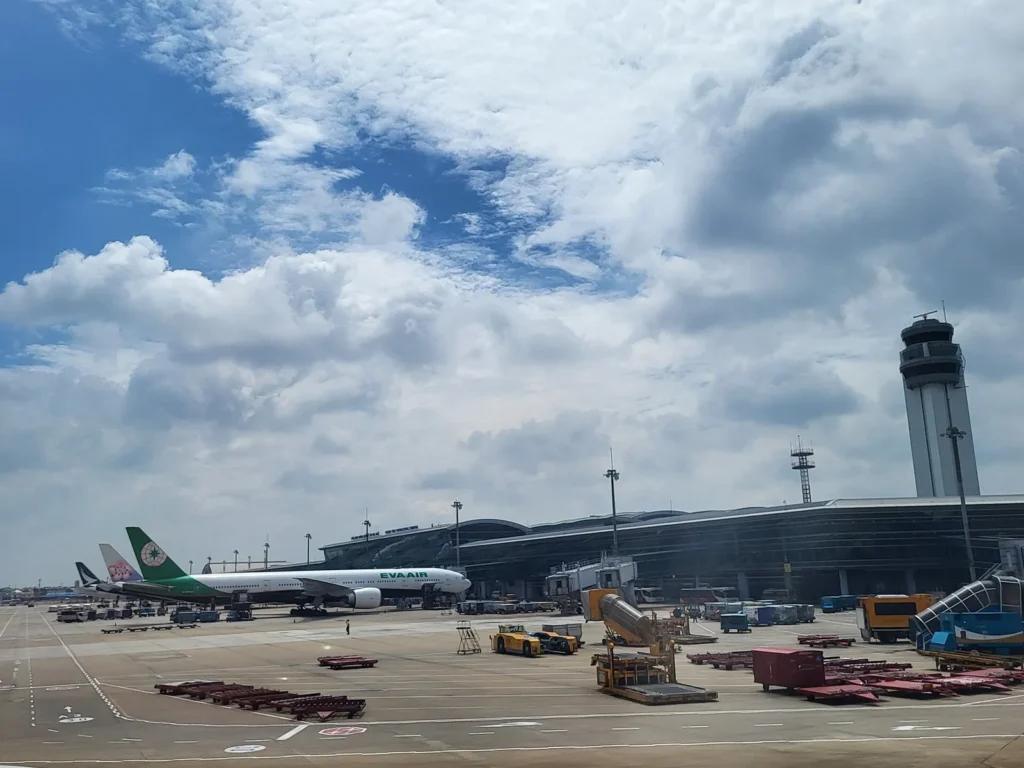
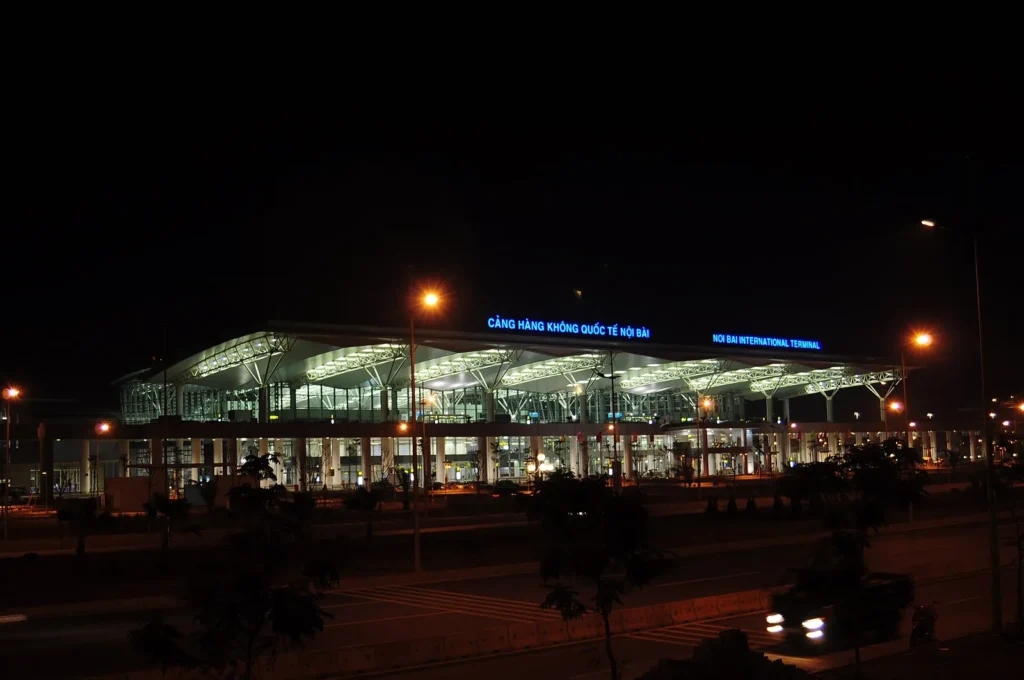
The e-visa is not valid at every border post. Vietnam’s tourism authority lists 42 crossings: 13 international airports, 16 land border gates and 13 seaports. The airports include Noi Bai in Hanoi, Tan Son Nhat in Ho Chi Minh City, Da Nang, Cam Ranh, Phu Quoc, Cat Bi in Hai Phong and Phu Bai in Hue.
You name your planned entry point in the application. If your plans change, check the portal’s list before you travel through a different crossing.
Visa on arrival and the US visa question
Vietnam does not offer a pay-at-the-counter visa on arrival for Indian tourists. Some agents sell “visa on arrival” packages built on an approval letter from a sponsor in Vietnam. The Immigration Department’s portal says some visa categories must be applied for through an inviting or sponsoring organisation. For a normal holiday, the e-visa is the simpler and cheaper option.
Holding a US, UK or Schengen visa does not exempt Indian citizens from needing a Vietnam visa. We could not find any Vietnamese government notice that says otherwise.
After you arrive
The US Embassy in Vietnam notes that all visitors in Vietnam must register their temporary residence with the local police where they stay overnight. If you are in a hotel or homestay, ask your host whether they have done this with your passport details.
Your e-visa sets the last day you can stay. The Immigration Department says e-visa holders inside Vietnam can only get a new visa if a person or organisation in Vietnam sponsors them. So choose dates that cover your whole trip when you apply.
Planning the rest of the trip
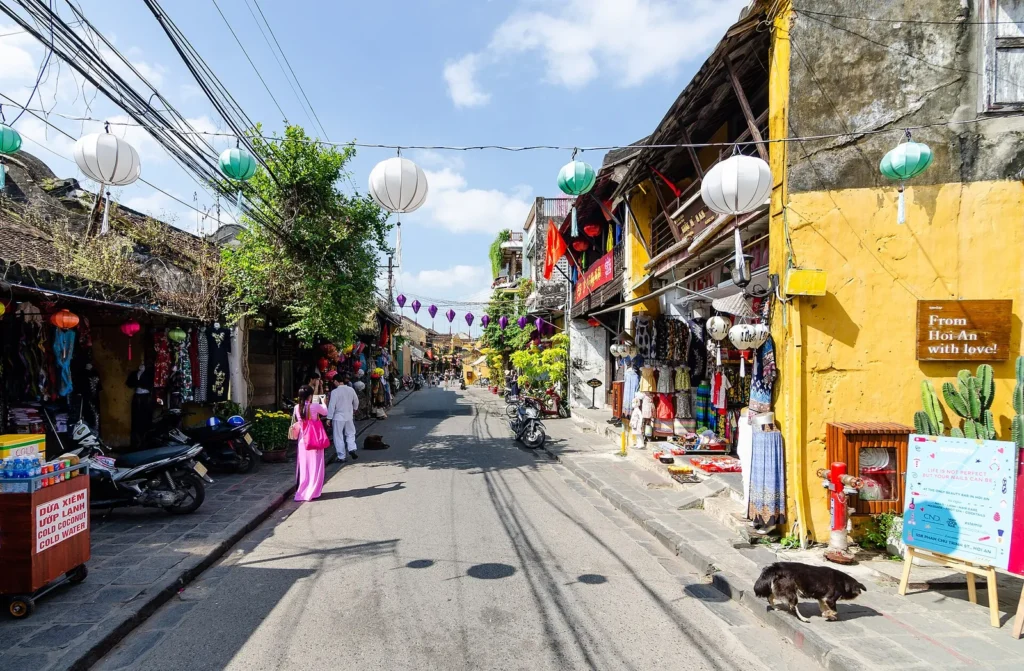
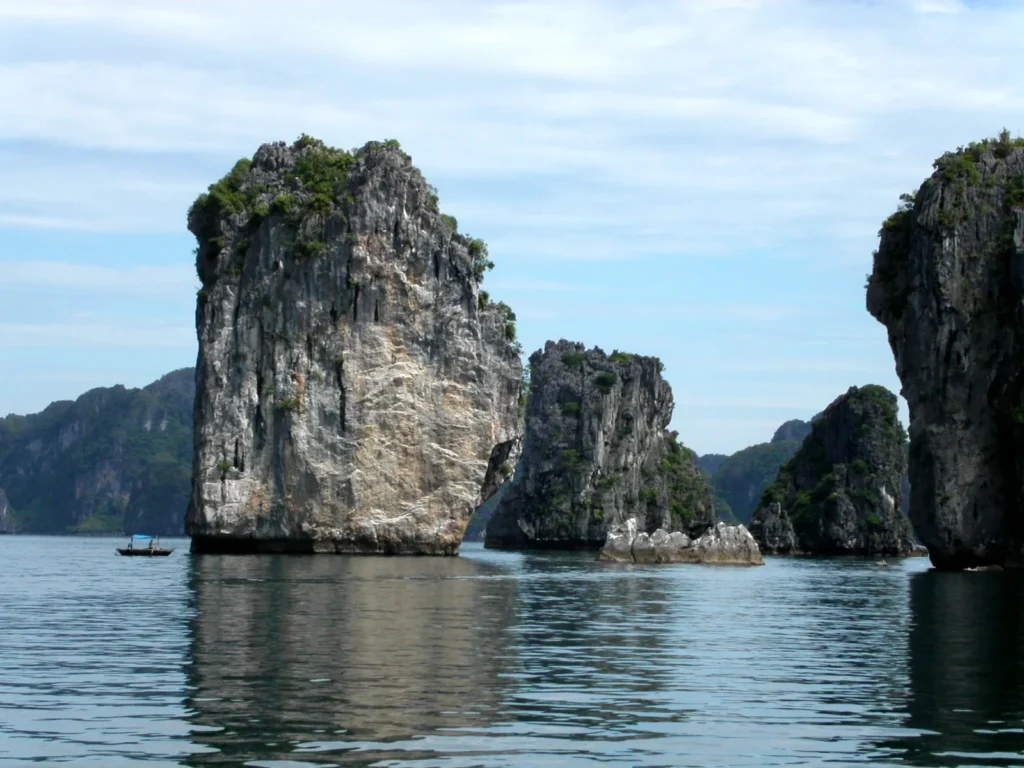
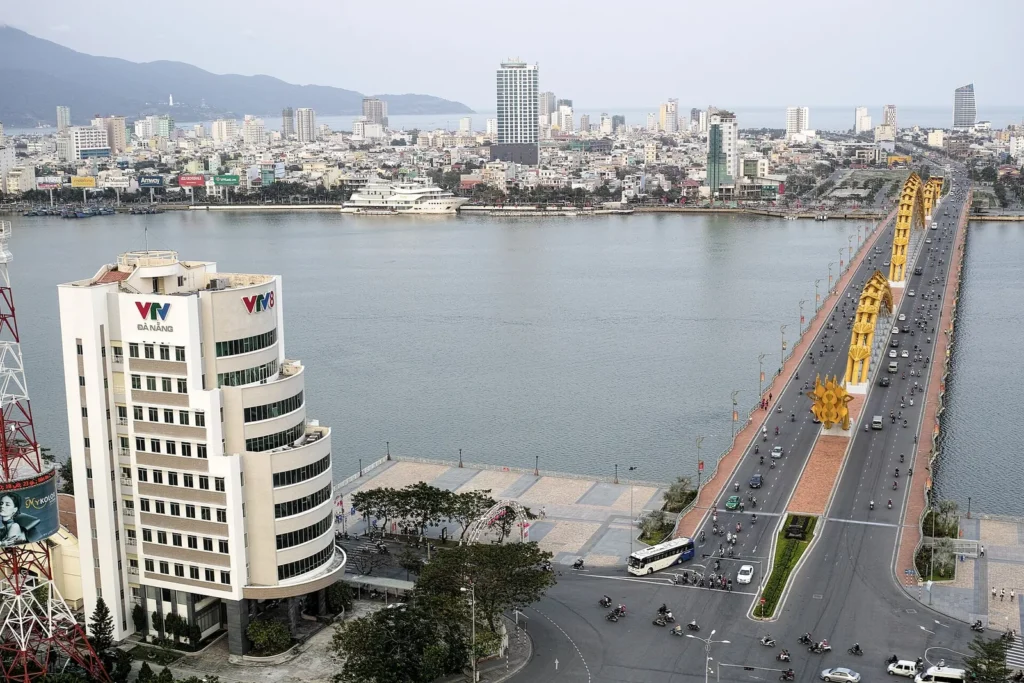
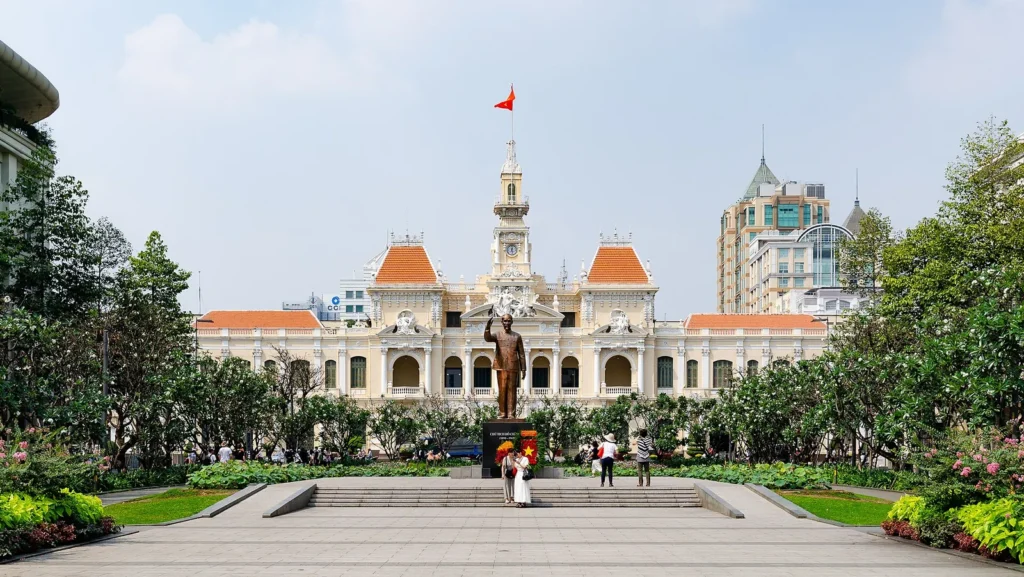
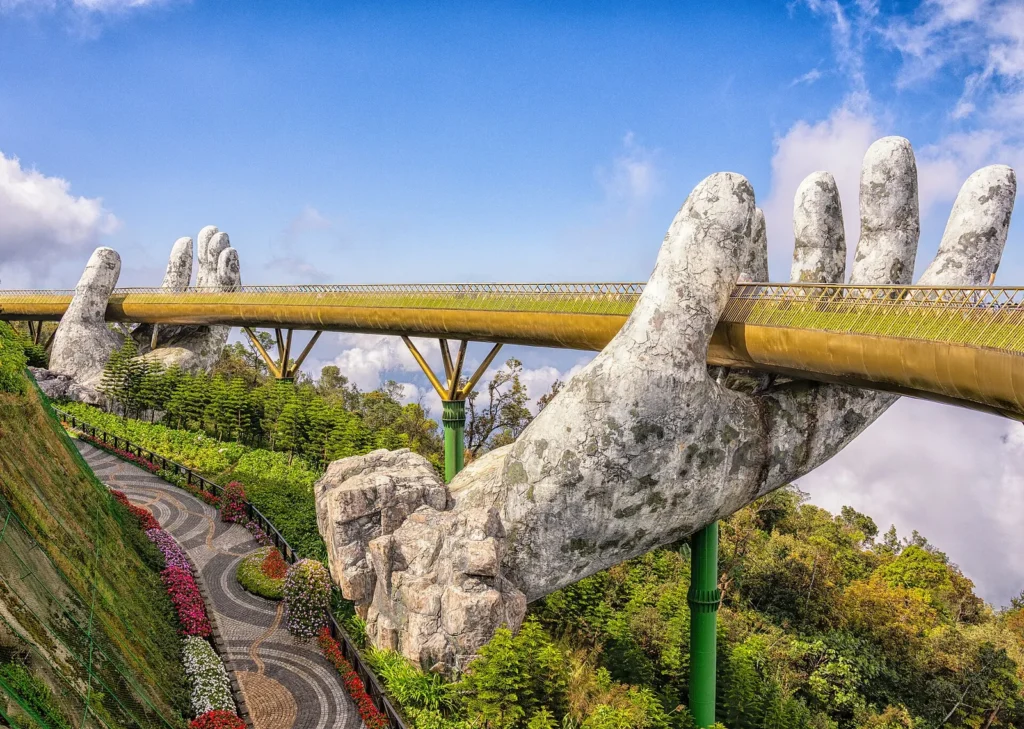
A common first route takes in Hanoi and Ha Long Bay in the north, Da Nang and Hoi An in the centre and Ho Chi Minh City in the south. Choosing a multiple entry e-visa is worth it if you add a side trip to Cambodia from the south.
If you are also comparing other Southeast Asian trips, see our guides to the Thailand visa for Indians and the Bali visa for Indians.
Vietnam visa FAQs
Is there a visa on arrival in Vietnam for Indians?
Not for ordinary tourists. Apply for the e-visa online before you fly and carry the printout.
What is the Vietnam visa fee for Indians in INR?
The official fee is set in US dollars: USD 25 single entry or USD 50 multiple entry. The rupee amount depends on your card’s exchange rate and fees on the day you pay.
How long does the Vietnam e-visa take?
Up to 3 working days after the application and payment are received, according to the Ministry of Public Security. Allow more time around holidays.
How long can I stay on a Vietnam e-visa?
Up to 90 days, for the dates shown on your e-visa.
Do Indians with a US visa get visa-free entry to Vietnam?
No. Indian ordinary passport holders need a Vietnam visa whether or not they hold a US visa.
Can I extend the Vietnam e-visa inside Vietnam?
The Immigration Department says a new visa for an e-visa holder in Vietnam needs a sponsor in the country. Pick dates that cover your full stay.
Official resources: Vietnam Immigration Department e-visa portal information; Ministry of Public Security e-visa service page; Ministry of Foreign Affairs visa exemption list; Vietnam National Authority of Tourism e-visa guide; US Embassy in Vietnam: visas and entry.
Photo credits
Featured image: Thomas Hirsch / User:Ravn / Wikimedia Commons, CC BY-SA 3.0; Do Indians need a visa for Vietnam?: Rajadas330 / Wikimedia Commons, CC BY-SA 4.0; How to apply, step by step: Christakis Mina / Wikimedia Commons, CC BY-SA 4.0; Where you can enter on an e-visa: Hwi.padam / Wikimedia Commons, CC BY-SA 4.0; Where you can enter on an e-visa: Person-with-No Name / Wikimedia Commons, CC BY 2.0; After you arrive: Vyacheslav Argenberg / Wikimedia Commons, CC BY 4.0; Planning the rest of the trip: Steffen Schmitz (more photos) / Wikimedia Commons, CC BY-SA 4.0; Planning the rest of the trip: Steffen Schmitz (more photos) / Wikimedia Commons, CC BY-SA 4.0; Planning the rest of the trip: . Ray in Manila / Wikimedia Commons, CC BY 2.0.