
India is too big and too varied to see in one trip, and trying usually means spending most of your holiday in transit. A better approach is to pick a region and a season, then go deep. This page is our starting point for travel in India: how the seasons work across the country, how to get around, how long to plan for, and links to our state-by-state guides.
Most of our India coverage so far is in the north and east: the forts and deserts of Rajasthan, Kolkata and Darjeeling, Kashmir, the Himalayan states of Uttarakhand and Himachal Pradesh, and Agra and Lucknow in Uttar Pradesh. We also have a few single guides for Gujarat, Punjab and Madhya Pradesh. The list at the bottom shows our newest India posts and updates on its own.
How the seasons work
India doesn’t have one best time to visit. It has different seasons for the plains and for the mountains.
For the plains and the desert, which covers Rajasthan, Delhi, Agra, Lucknow and Kolkata, October to March is the main season. Days are warm and dry, and December and January can be cool or foggy in the north. April to June is very hot, often above 104°F (40°C) in the desert cities. The southwest monsoon arrives in June and lasts until about September, bringing heavy rain to most of the country.
The mountains follow almost the opposite pattern. Hill towns in Himachal and Uttarakhand are busiest from about April to June, when the plains are hottest, and again in autumn. Winter brings snow to places like Gulmarg, Manali and Auli. The monsoon is the hardest time for Himalayan travel because landslides can close roads, with exceptions like the Valley of Flowers, which is at its best in the rain.
Each state guide below has its own section on timing, and for Rajasthan and Kashmir we have full month-by-month guides: Best Time to Visit Rajasthan and Best Time to Visit Kashmir.
Getting around India
Domestic flights connect all the big cities and many smaller ones, and they’re the fastest way to cover long distances, for example from Delhi to Kolkata or to Srinagar. Trains are the classic way to travel and are good value. Book on IRCTC, the official Indian Railways booking site, and book early for overnight trains in the holiday seasons, since popular classes sell out. Overnight buses fill the gaps, especially for hill stations like Manali and Dharamshala, and a hired car with a driver is the most comfortable way to tour a region like Rajasthan.
Within cities, app cabs and auto-rickshaws are easy to find, and Delhi, Kolkata, Lucknow and several other cities have metro systems.
How much time to plan
For a first trip of one to two weeks, choose one region. A week covers the classic Rajasthan loop, or Kashmir with a few days in Delhi or Agra. Two weeks lets you add a second region, for example Rajasthan and Agra, or Kolkata and Darjeeling. Give mountain regions more time than the map suggests, because road travel is slow.
Sample routes for a first trip
These are routes that work well with the guides we have, and each one keeps travel time reasonable.
- Rajasthan and Agra, 10 days: Jaipur, Udaipur, Jodhpur and Jaisalmer on the 7-day Rajasthan itinerary, then a train or drive to Agra for the Taj Mahal before heading back to Delhi.
- Kolkata and Darjeeling, 6 days: two or three days in Kolkata, a flight or overnight train north, and three days in the hills with the 3-day Darjeeling itinerary.
- Kashmir, 5 to 7 days: fly into Srinagar and follow the 5-day Kashmir itinerary, adding a quieter valley if you have the time.
- Himachal, 6 days: Shimla and Manali by road on the Shimla Manali itinerary, with a day trip through the Atal Tunnel to Sissu.
- Uttarakhand, a long weekend: Rishikesh from Delhi for the ghats, the evening aarti and a rafting run.
If you’re traveling during a big festival, such as Diwali or Durga Puja, book trains and hotels well ahead. Prices rise and the most popular trains fill up weeks in advance.
Our India guides by state
Rajasthan
Forts, palaces and the Thar Desert, from Jaipur and Udaipur to Jodhpur and Jaisalmer. Start with our Rajasthan travel guide or the 7-day Rajasthan itinerary.
Kolkata and West Bengal
Kolkata’s temples, colonial buildings and street food, plus Darjeeling and its toy train. Our Kolkata and West Bengal travel guide brings it together, and places to visit in Kolkata is a good first read.
Jammu and Kashmir
Srinagar’s houseboats, the snow in Gulmarg, the meadows of Pahalgam and Sonamarg, and the tulip season. See the Jammu and Kashmir travel guide and the 5-day Kashmir itinerary.
Uttarakhand
Rishikesh, the Char Dham Yatra, Nainital, Mussoorie, Jim Corbett and the Valley of Flowers. Start with the Uttarakhand travel guide.
Himachal Pradesh
Shimla, Manali, McLeod Ganj, Kasol, Bir Billing and the high desert of Spiti. Start with the Himachal Pradesh travel guide or the Shimla Manali itinerary.
Uttar Pradesh
The Taj Mahal and Agra, and the Nawabi city of Lucknow. See the Uttar Pradesh travel guide and our first-time visitor’s guide to the Taj Mahal.
Gujarat, Punjab and Madhya Pradesh
For now we have one guide in each of these states. Gir National Park in Gujarat is the only home of the Asiatic lion in the wild. In Punjab, Amritsar is known for the Golden Temple and its food. In Madhya Pradesh, Gwalior has one of the most impressive hill forts in central India.
Tickets, temples and treks
If you’re planning around specific sights, our tickets and timings guides cover prices, opening hours and booking for monuments, museums, safaris and permits across India. For pilgrimages, the Char Dham Yatra and Kedarnath guides explain registration and routes. Trekkers can start with the Valley of Flowers, Kheerganga or the Kashmir Great Lakes.
Practical tips for traveling in India
- Carry ID everywhere. Hotels, some monuments and permit offices ask for it.
- Check closing days. The Taj Mahal is closed on Fridays, and many museums close one day a week.
- Dress modestly at religious sites. Cover your shoulders and knees, take off your shoes where asked, and carry a scarf for gurdwaras and dargahs, where you’ll need to cover your head.
- Agree on fares before you set off in an auto-rickshaw or taxi without a meter, or use an app cab.
- Drink bottled or filtered water, and be careful with uncooked street food in your first few days.
- Leave a buffer day in mountain regions, especially in the monsoon and in winter.
India travel FAQ
What is the best time to visit India?
For most of the plains and Rajasthan, October to March. For the Himalayan hill stations, April to June and September to November. Each state guide above has more detail.
How many days do I need for a first trip to India?
One to two weeks is a good first trip if you stick to one or two regions. A week is enough for Rajasthan or for Kashmir.
What is the best way to travel between cities in India?
Fly for long distances, take trains for medium distances and overnight routes, and use a hired car with a driver for touring a region.
Where should I go on my first trip to India?
Rajasthan with Agra is the classic first trip, with forts, palaces and the Taj Mahal within a week or ten days. If you prefer mountains, try Kashmir or Himachal.
How do I book train tickets in India?
Use IRCTC, the official Indian Railways booking site or app, and book early for overnight and holiday travel.
Which Indian states does Trip Musing cover?
Rajasthan, West Bengal, Jammu and Kashmir, Uttarakhand, Himachal Pradesh and Uttar Pradesh in depth, with single guides for Gujarat, Punjab and Madhya Pradesh. We add new posts regularly, and they appear in the list below.
Latest India guides
-
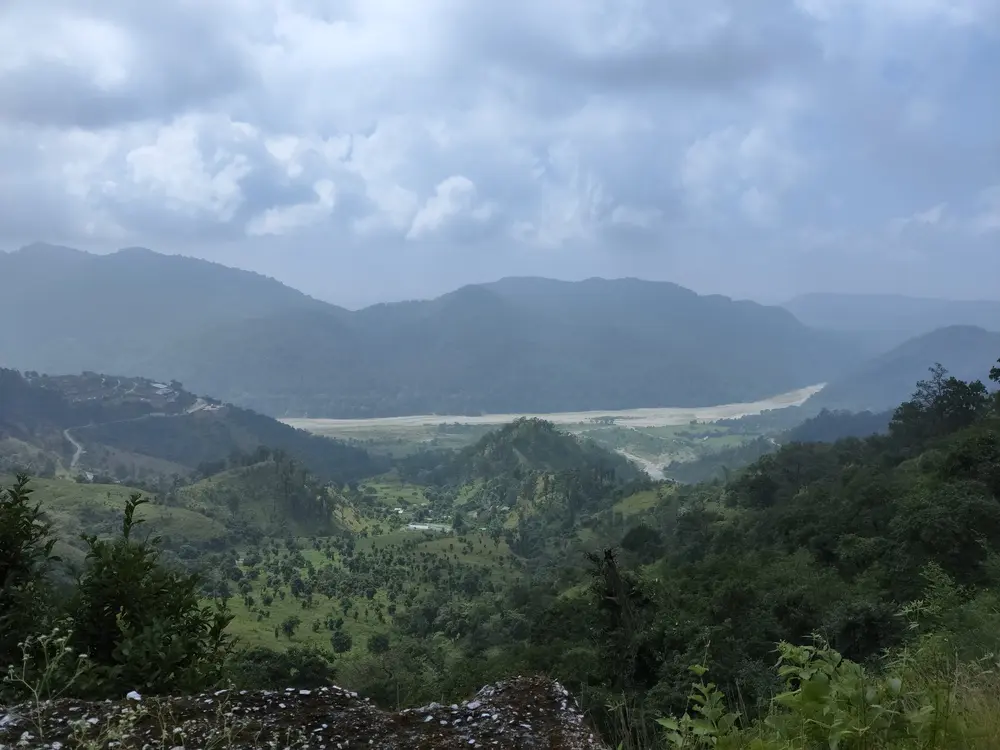
Ranikhet: A Tranquil Himalayan Escape
Ranikhet is a beautiful small hill station, near Almora Town in Almora district in the Indian state of Uttarakhand. Ranikhet is situated at an…
