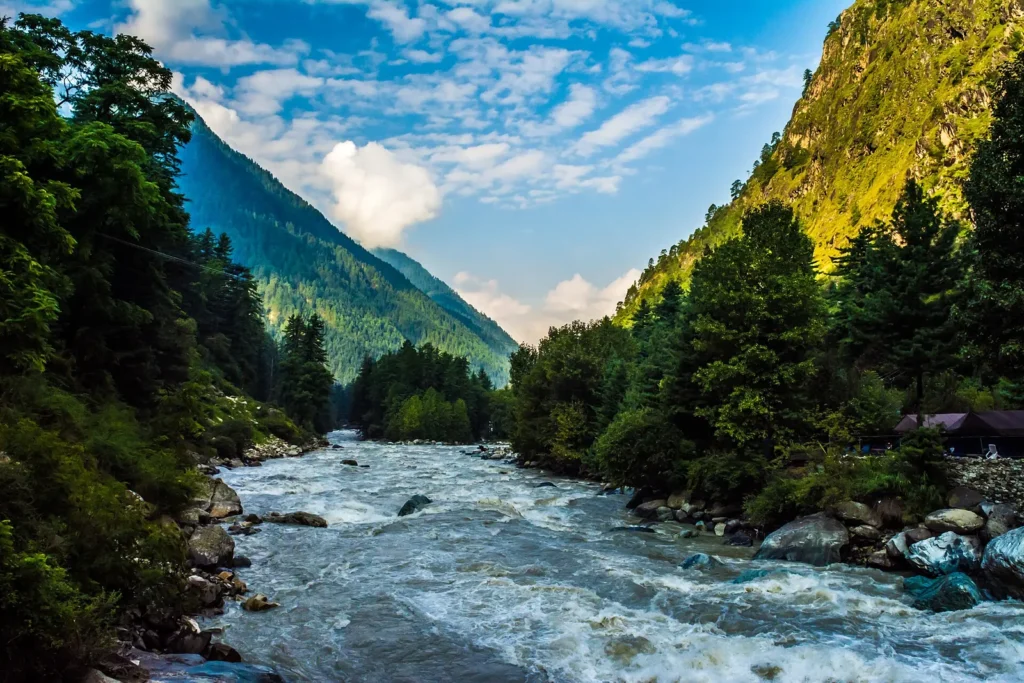
Kyoto is a city of temples, shrines, gardens and old streets, and most visitors need more than a day. This guide groups the main things to do by area, so you can plan each day around one part of the city. We have kept to facts from the temples’ own sites and avoided fees and hours that we could not check.
Know before you go
- Best for: temples, gardens, traditional streets and food.
- East: Kiyomizu-dera, Gion.
- South: Fushimi Inari Taisha.
- North and west: Kinkaku-ji, Ryoan-ji, Arashiyama.
- Centre: Nijo Castle, Nishiki Market.
- Check first: opening hours and fees on each official site.
- Last checked: 6 November 2026.
In this guide
Fushimi Inari Taisha
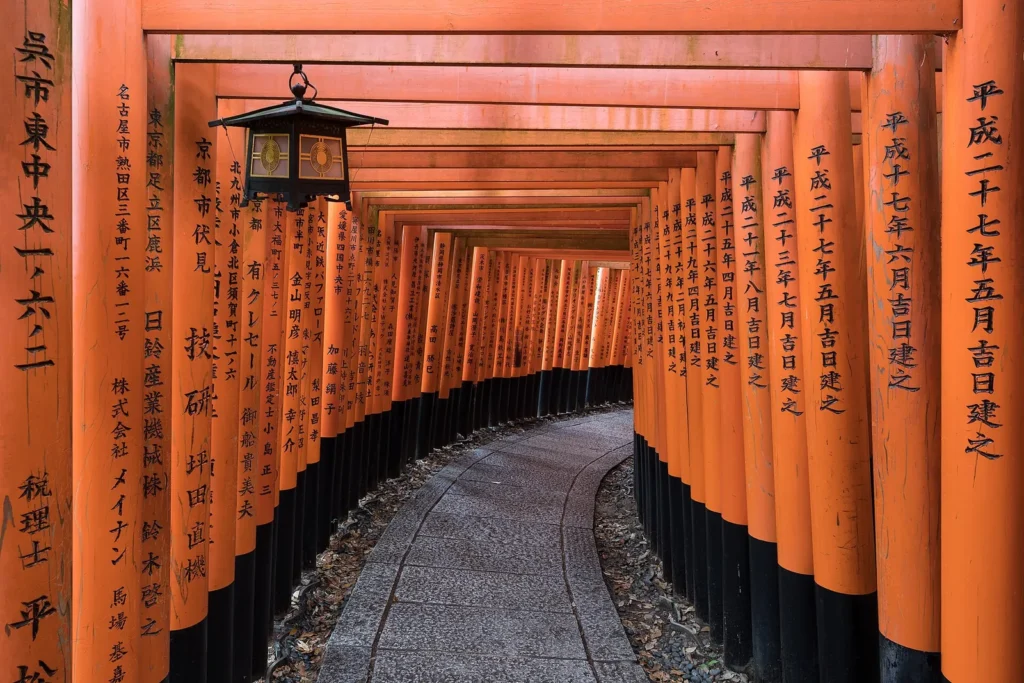
The shrine’s own site says Fushimi Inari Taisha is the head shrine of the Inari shrines across Japan, established in 711 AD. Its famous torii path climbs the hill behind the main buildings. Go early to avoid the crowds, and wear shoes you can walk in.
Kiyomizu-dera
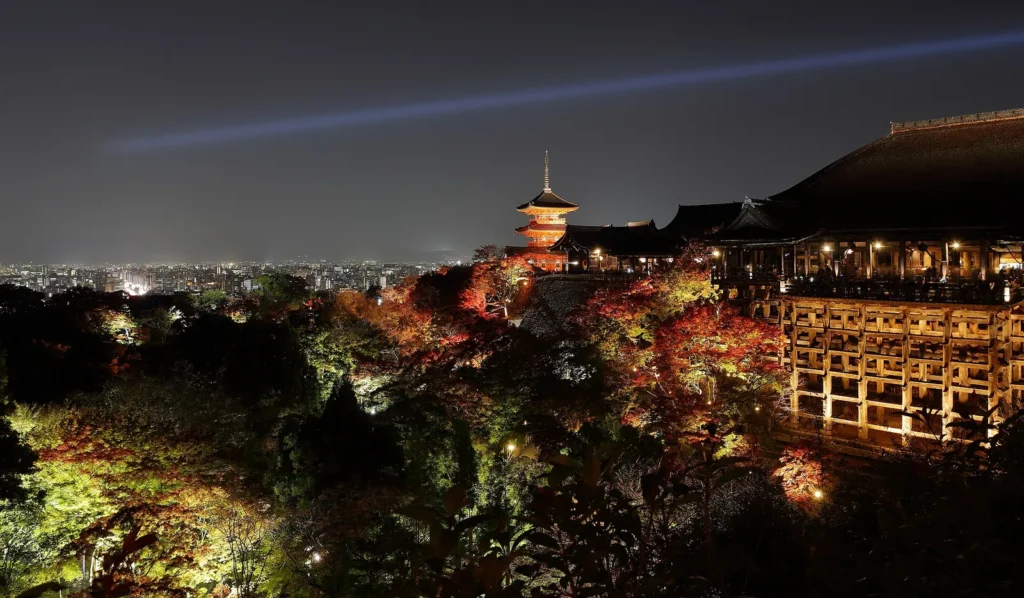
According to the temple site, more than 1,250 years have passed since Kiyomizu-dera was founded. It stands halfway up Mt. Otowa in the Higashiyama range, and its principal image is an eleven faced, forty-two armed Kannon. The temple also holds special evening visits in autumn, so check its news page.
Gion and the old streets
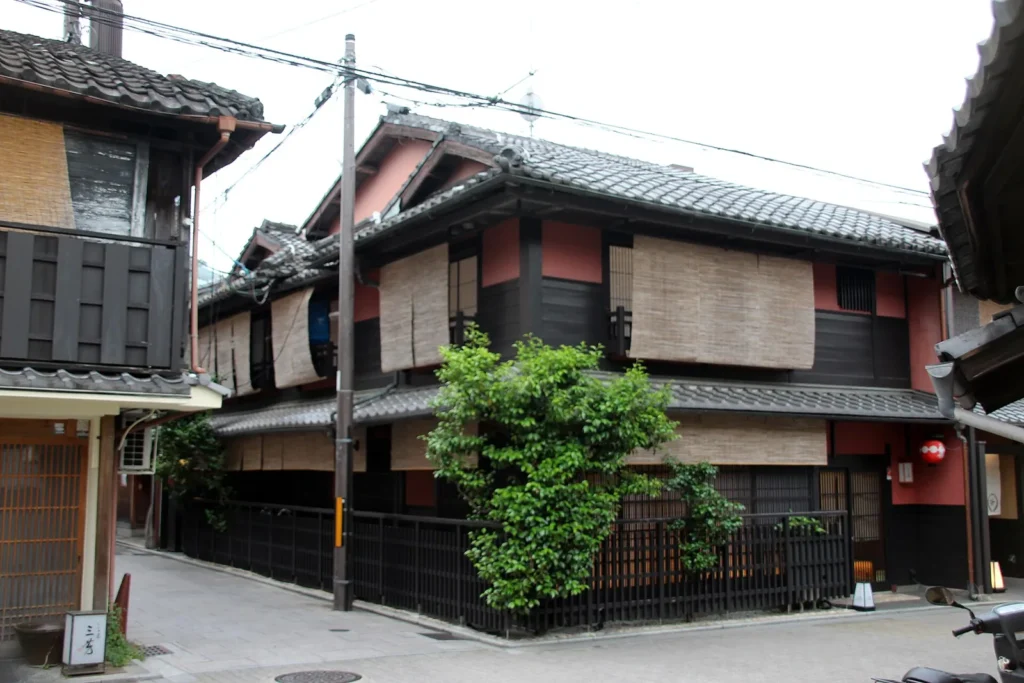
Gion is known for its wooden machiya streets and teahouses. Walk quietly, respect signs about private lanes and do not chase people for photos.
Kinkaku-ji and Ryoan-ji
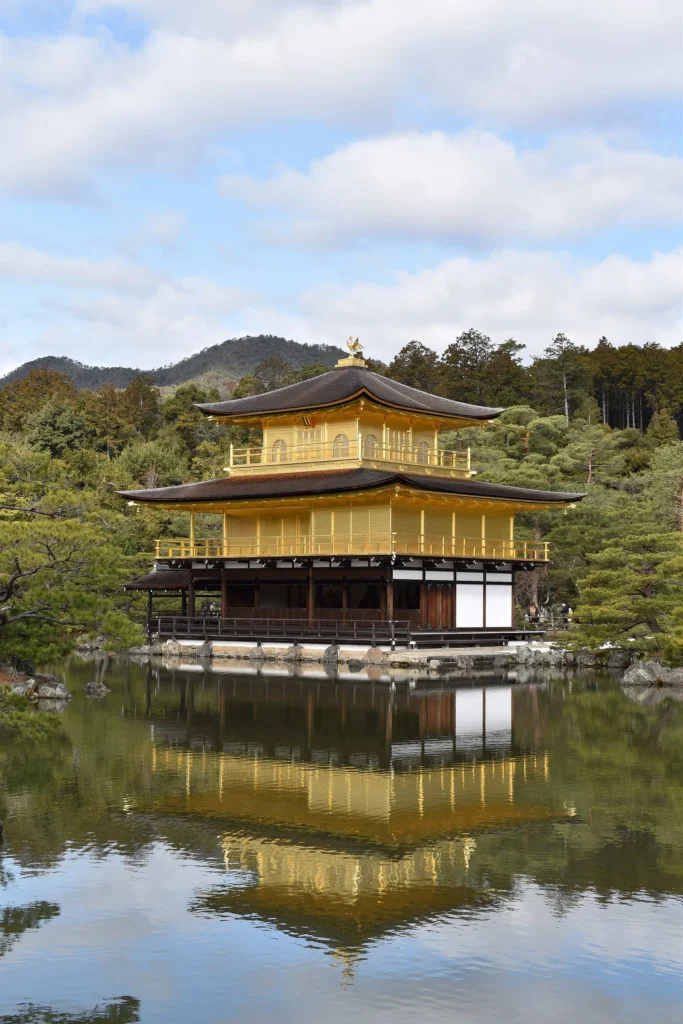
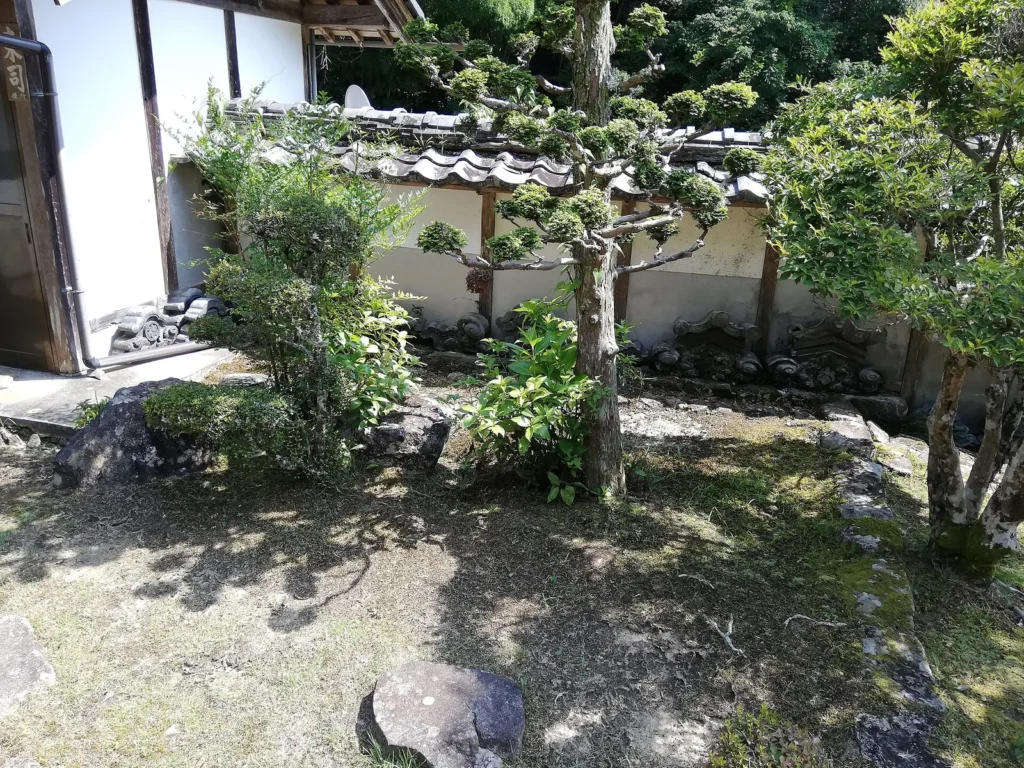
Kinkaku-ji, the Golden Pavilion, sits beside a pond that mirrors it. Ryoan-ji, nearby, is known for its rock garden. Many visitors combine these two on a north Kyoto morning.
Arashiyama
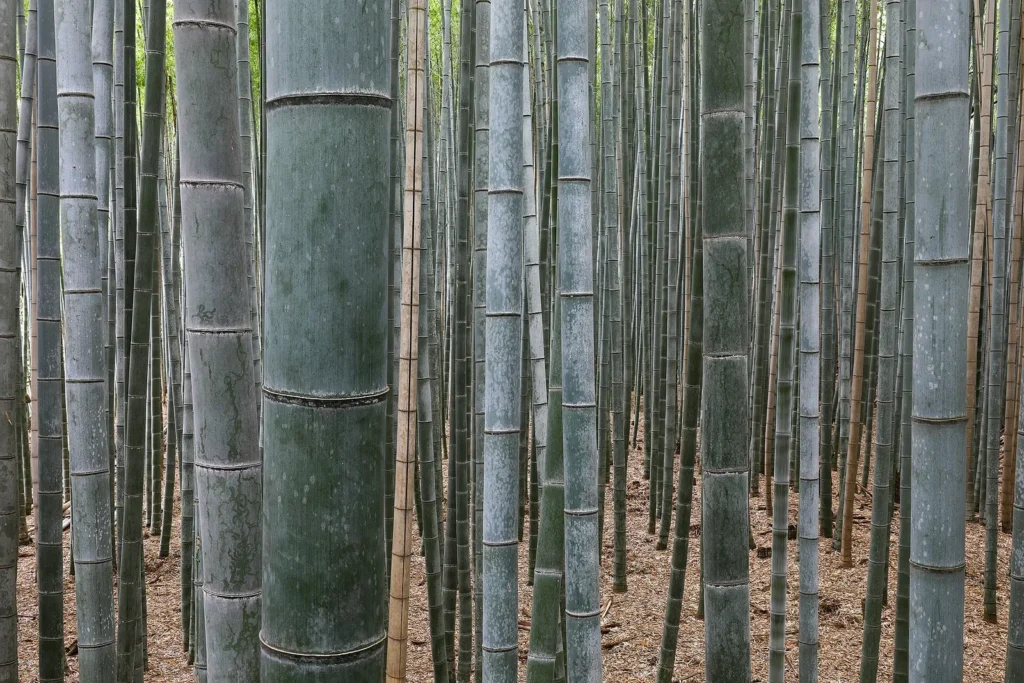
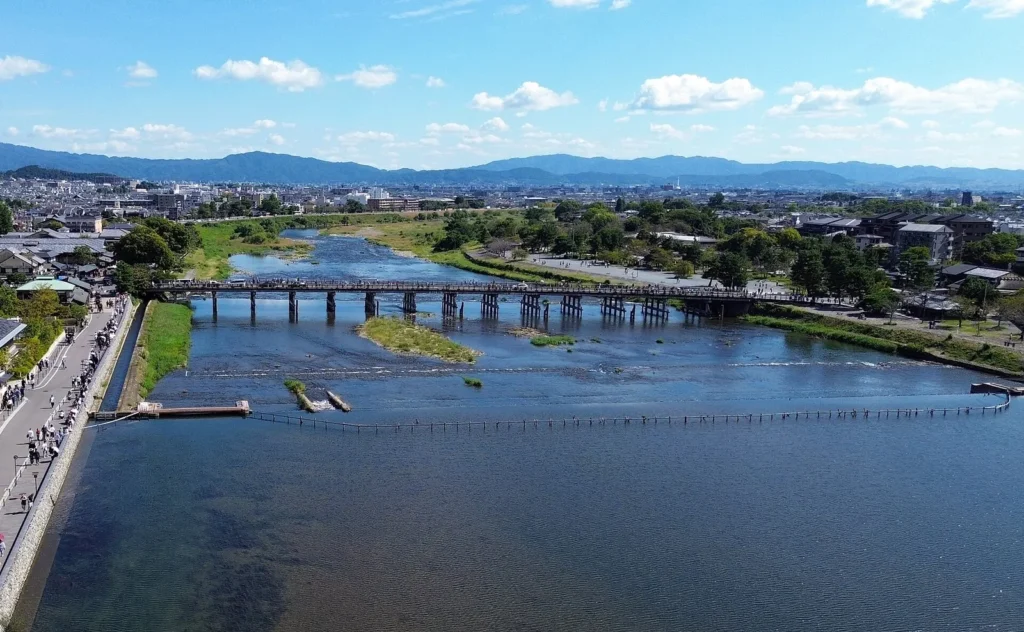
Arashiyama lies in the west of the city. Walk through the bamboo grove, then cross Togetsukyo Bridge. Early morning is calmer.
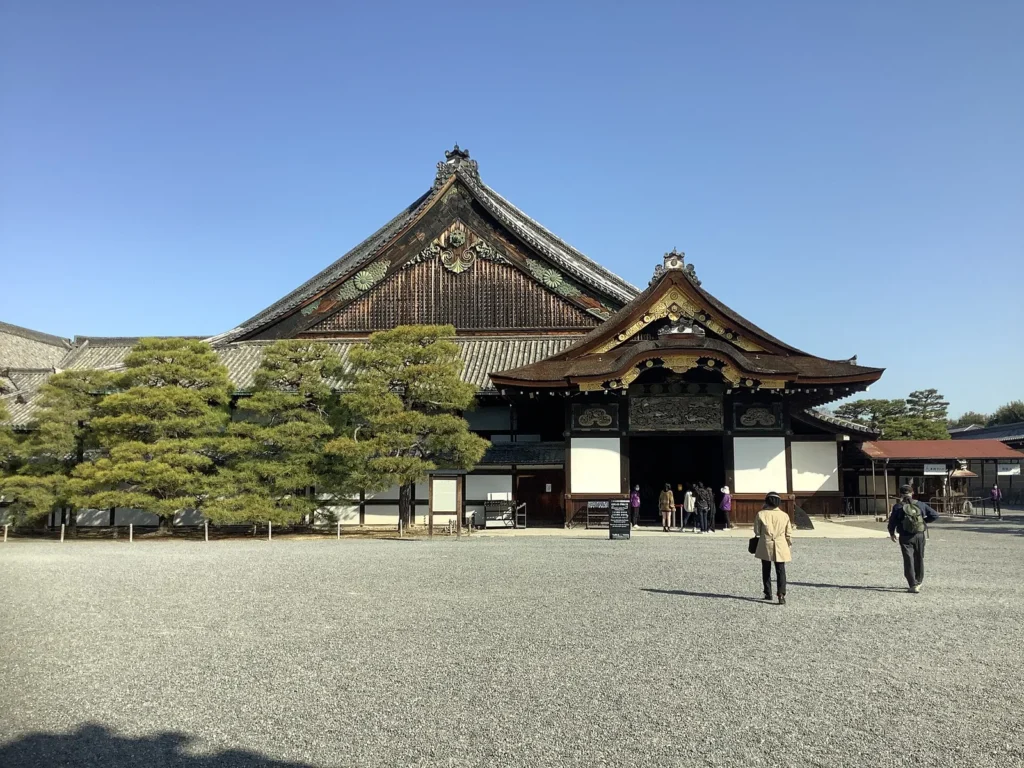
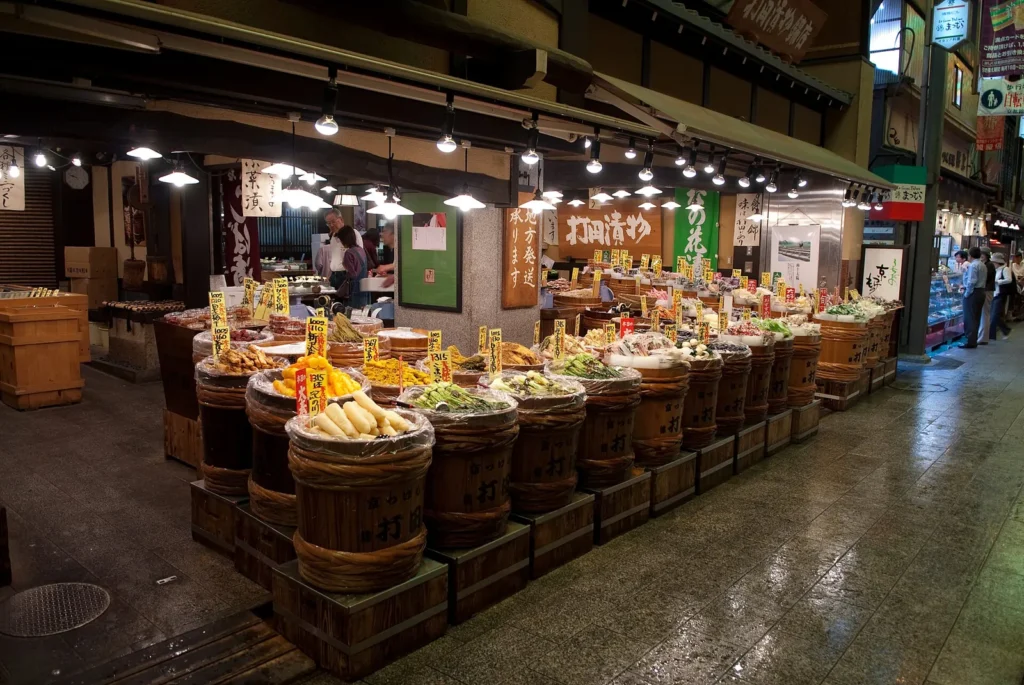
Nijo Castle and central Kyoto
Nijo Castle is in the middle of the city and works well with a stroll to Nishiki Market, a narrow food street.
Suggested plan
- Day 1: Fushimi Inari in the morning, then Kiyomizu-dera and Gion.
- Day 2: Kinkaku-ji, Ryoan-ji and Nijo Castle.
- Day 3: Arashiyama, then Nishiki Market in the evening.
Tips
- Use trains and buses, and group sights by area.
- Check seasonal events. Autumn and cherry blossom time are busy, see our cherry blossom season guide.
- For timing the whole country, read best time to visit Japan.
- Dress modestly at shrines and temples, and follow posted rules.
Plan the wider trip
Kyoto fits into our Japan 7 day itinerary with Tokyo and Osaka. See the Japan visa guide for Indians and the Japan trip cost.
FAQ
How many days do you need in Kyoto?
Three days covers the main sights. Two days works if you pick one or two areas.
What is the oldest shrine here?
Fushimi Inari Taisha says it was established in 711 AD.
Where is Kiyomizu-dera?
Halfway up Mt. Otowa in the Higashiyama mountains.
Is Kyoto good for food?
Yes. Nishiki Market is a good place to start.
Do I need to book anything?
Some sights have special visits or timed entry. Check each official site before you go.
Official resources: Fushimi Inari Taisha and Kiyomizu-dera.
Photo credits
Featured image: Basile Morin / Wikimedia Commons, CC BY-SA 4.0; Kiyomizu-dera: Martin Falbisoner / Wikimedia Commons, CC BY-SA 4.0; Gion and the old streets: Hyppolyte de Saint-Rambert / Wikimedia Commons, CC BY-SA 4.0; Kinkaku-ji and Ryoan-ji: Nacaru / Wikimedia Commons, CC BY-SA 4.0; Kinkaku-ji and Ryoan-ji: 先従隗始 / Wikimedia Commons, CC0; Arashiyama: Basile Morin / Wikimedia Commons, CC BY-SA 4.0; Arashiyama: Don Ramey Logan / Wikimedia Commons, CC BY 4.0; Nijo Castle and central Kyoto: 稲垣啓二 / Wikimedia Commons, CC BY-SA 4.0; Nijo Castle and central Kyoto: collinox / Wikimedia Commons, CC BY 2.0.