The best time to visit Switzerland depends on what you want from the trip. For green valleys, lake swims and high hiking trails, go from June to September. For snow and skiing, go from December to March. For fewer crowds, softer prices and autumn colour, aim for September or early October. Each season works, but each one changes which mountains, trains and paths are open.
Know before you go
- Best overall: June to September for hiking, lakes and clear mountain views
- For snow: December to March; many ski areas open from late October or November
- Shoulder months: May, September and early October for fewer crowds
- Warmest city month: July, when Zurich averages a high of 23.0°C and Geneva 25.3°C (WMO)
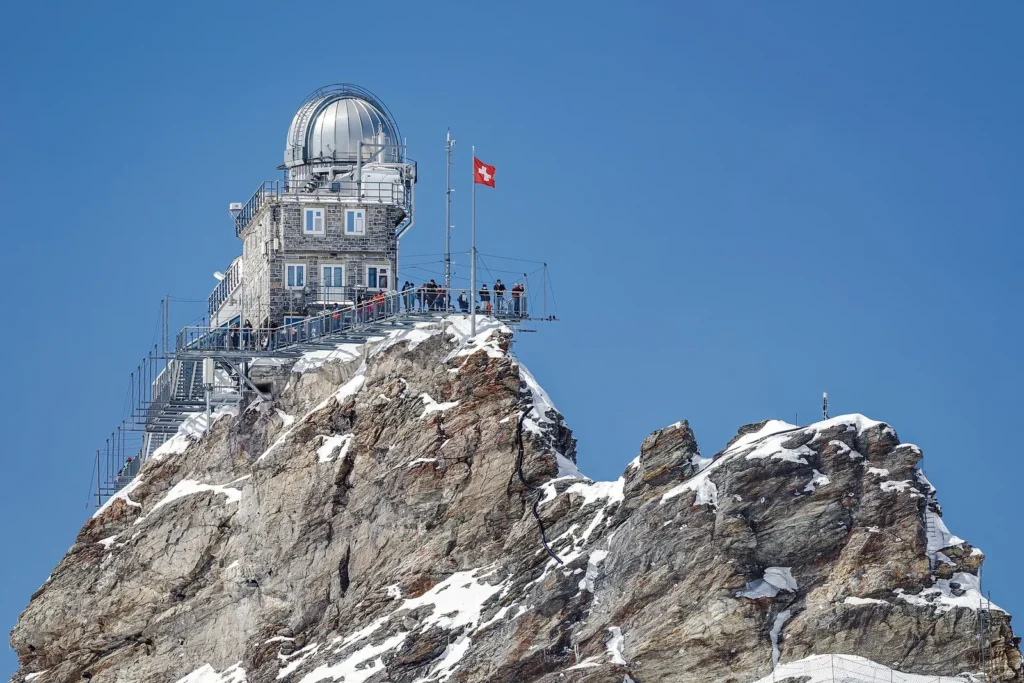
- Always open: the Jungfraujoch runs 365 days a year
In this Article
Switzerland weather by month
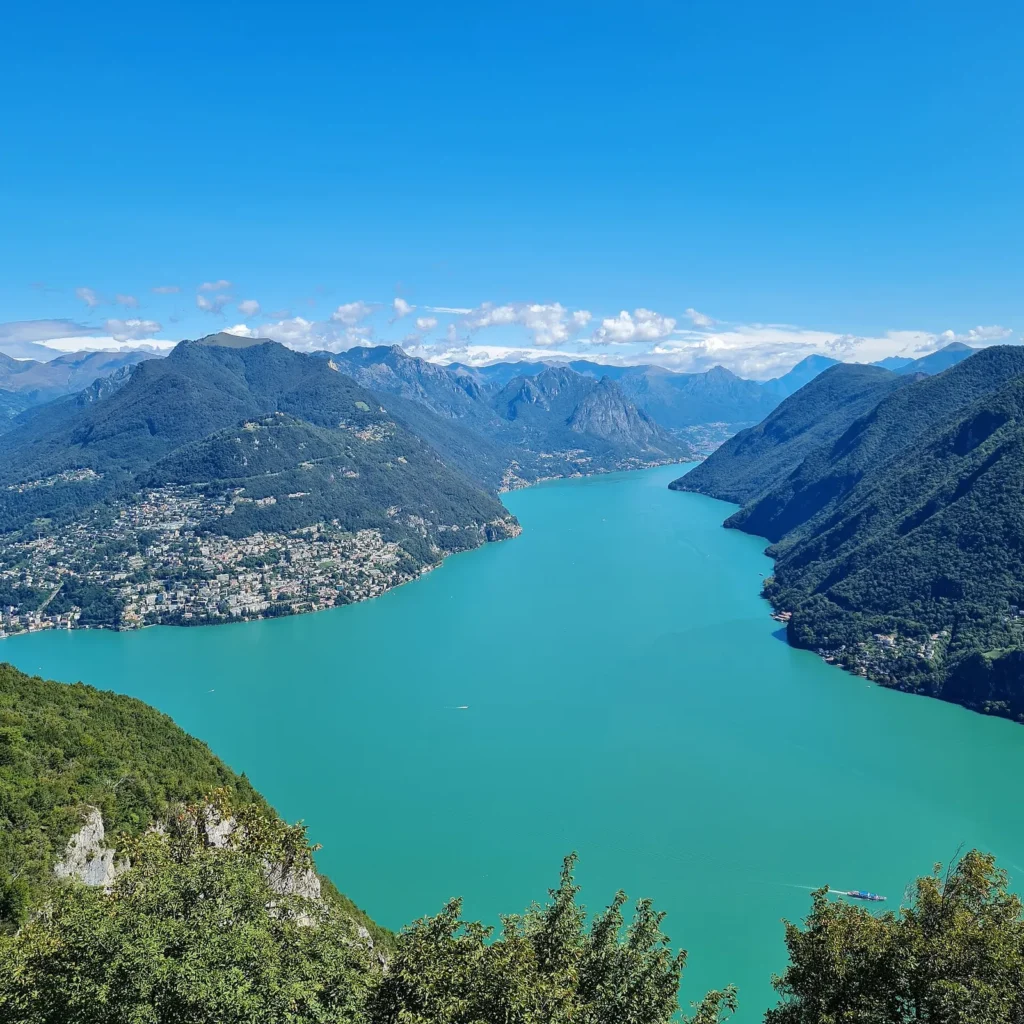
Switzerland is small, but the weather changes a lot with altitude and with which side of the Alps you are on. The table below uses World Meteorological Organization long-term averages for three cities: Zurich in the north, Geneva in the west and Lugano in the warmer, Italian-speaking south. Mountain resorts such as Zermatt or Grindelwald are colder than all three, and the summits are much colder again.
| Month | Zurich (min to max) | Geneva (min to max) | Lugano (min to max) | Zurich rain (mm) |
|---|---|---|---|---|
| January | -2.8 to 2.0°C | -1.9 to 3.7°C | 0.1 to 6.1°C | 67 |
| February | -1.9 to 4.2°C | -0.9 to 5.9°C | 1.3 to 7.8°C | 70 |
| March | 0.6 to 8.3°C | 0.8 to 9.8°C | 3.9 to 11.6°C | 69 |
| April | 3.7 to 12.6°C | 4.1 to 13.9°C | 7.2 to 15.1°C | 87 |
| May | 7.7 to 17.3°C | 8.0 to 18.4°C | 11.0 to 18.9°C | 103 |
| June | 10.8 to 20.5°C | 11.3 to 22.2°C | 14.2 to 22.9°C | 124 |
| July | 12.8 to 23.0°C | 13.3 to 25.3°C | 16.7 to 25.8°C | 117 |
| August | 12.4 to 22.0°C | 13.0 to 24.4°C | 16.0 to 24.7°C | 133 |
| September | 10.0 to 18.8°C | 10.3 to 20.8°C | 13.3 to 21.4°C | 92 |
| October | 6.2 to 13.3°C | 6.6 to 14.9°C | 9.1 to 16.5°C | 69 |
| November | 1.4 to 6.9°C | 2.1 to 8.4°C | 4.4 to 10.6°C | 82 |
| December | -1.7 to 2.9°C | -0.5 to 4.5°C | 1.0 to 7.1°C | 73 |
Two things stand out. Summer is the wettest season in Zurich, with more than 100 mm of rain a month from May to August, mostly in short showers and thunderstorms. And September and October are drier than most of summer, which is part of why autumn is such a good time to go.
Summer: June to August
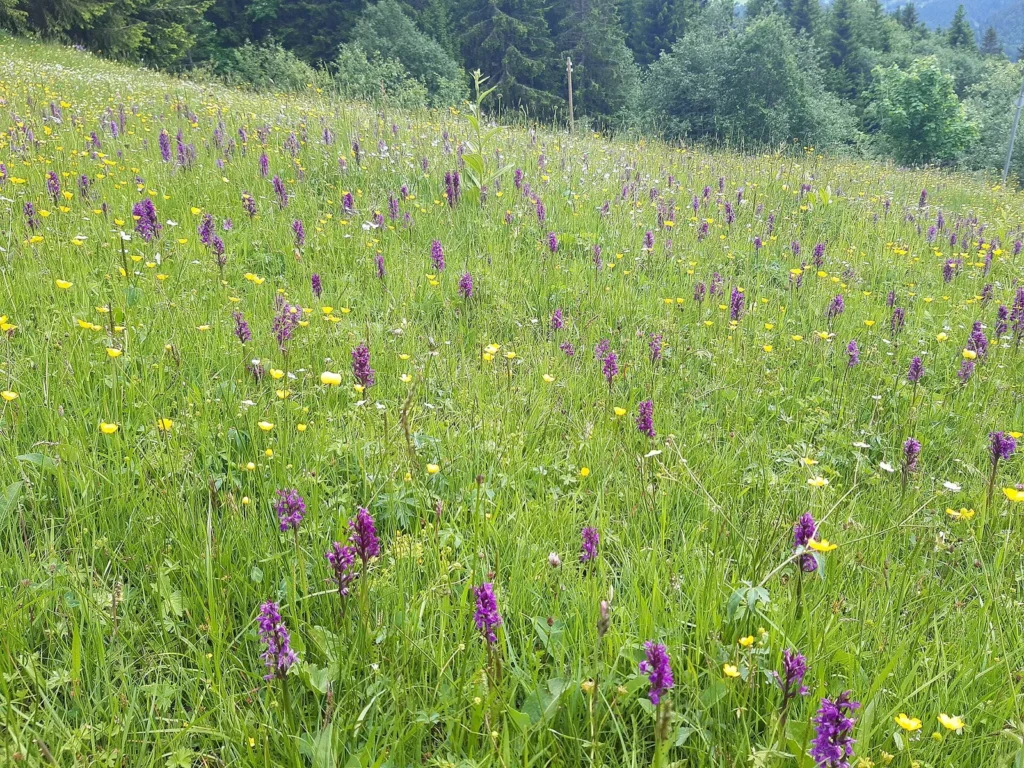
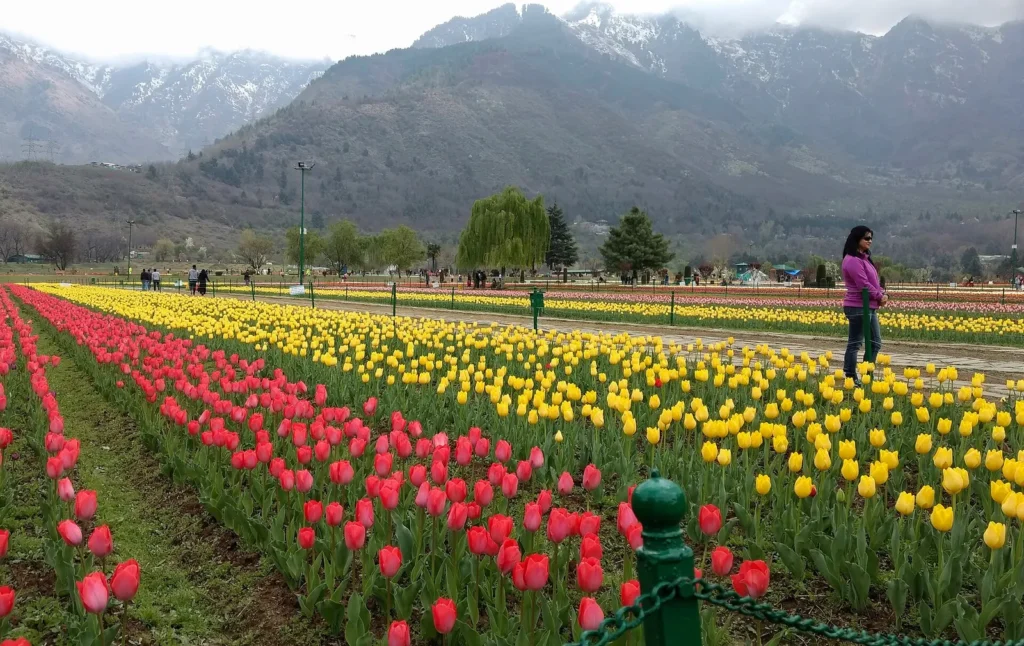
Summer is the main season for a first trip. Days are long, lake boats run full timetables, and high hiking trails and mountain railways are open. Alpine meadows flower in June and July, and the lakes around Lucerne, Zurich and Lugano are warm enough for a swim by July.
The trade-off is crowds and prices. This is peak season for visitors from India and the Gulf as well as from Europe, so book hotels in Interlaken, Lucerne and Zermatt early. Afternoon storms are common in the mountains, so plan summit trips for the morning.
If you want greenery, June to August is the time. Early June can still have snow on higher trails, so check trail status before a long hike.
Autumn: September to November
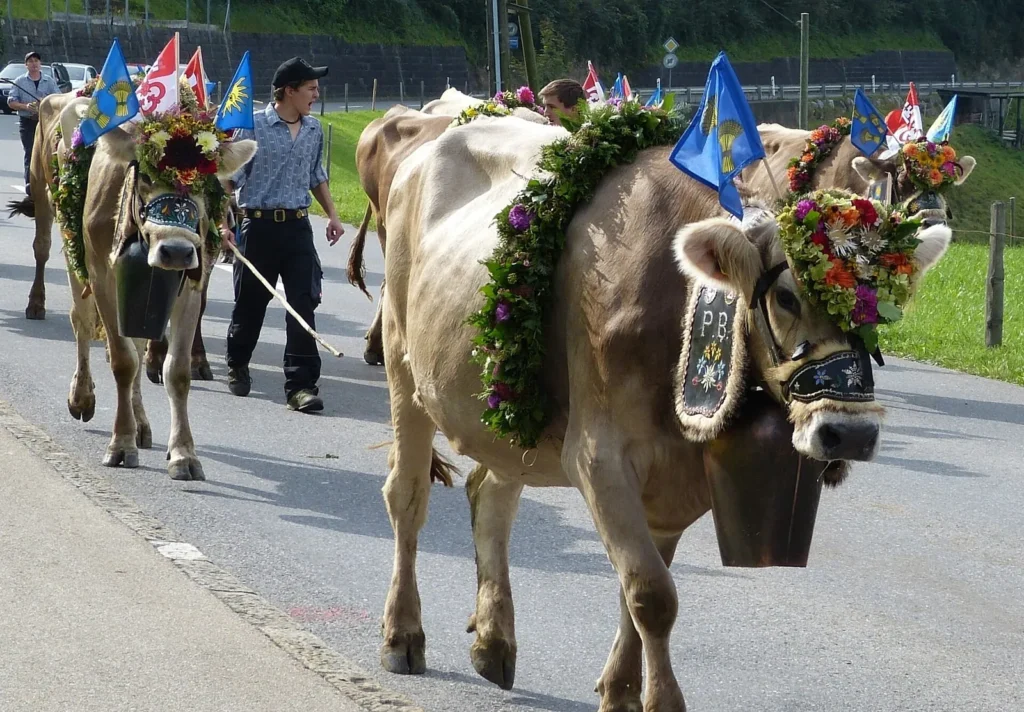
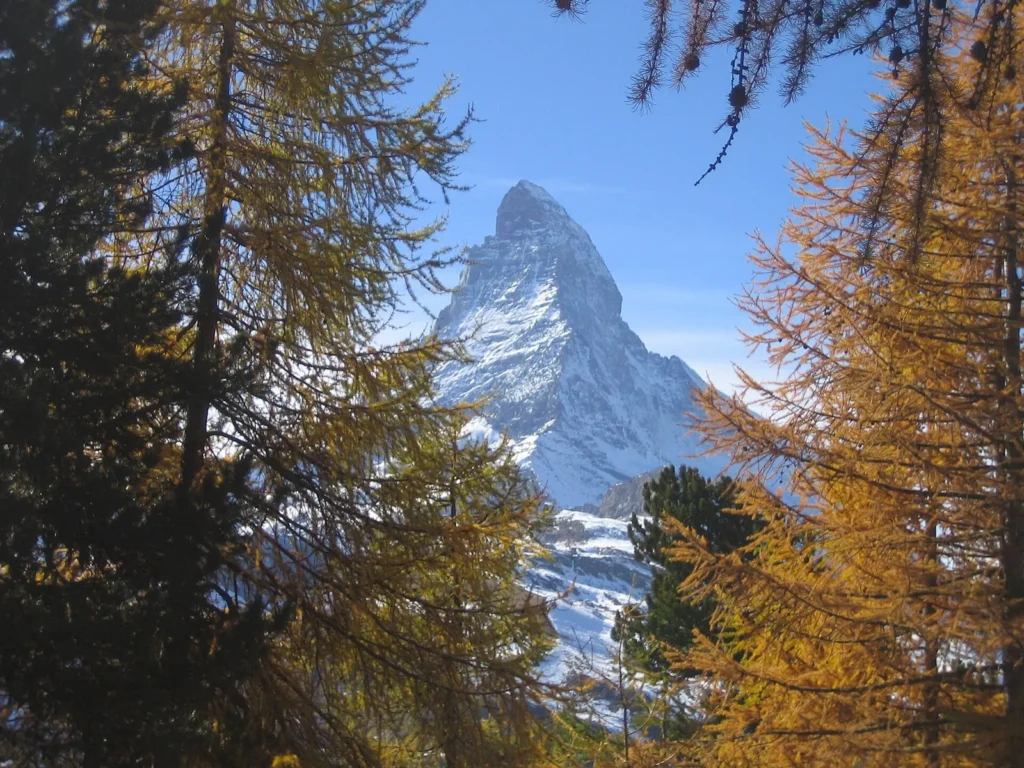
September is many travellers’ favourite month. The weather is still mild, summer crowds have gone, and in Zurich it is drier than August. By late September and October the larches above Zermatt and in the Engadin turn gold, and many villages hold cattle descents as herds come down from the high pastures.
From late October the season winds down. Some mountain lifts close for maintenance, and November is often grey and quiet, a gap between the summer and ski seasons. The Glacier Express runs its winter timetable from 5 December 2026, so check dates if a scenic train is on your list.
Winter: December to March
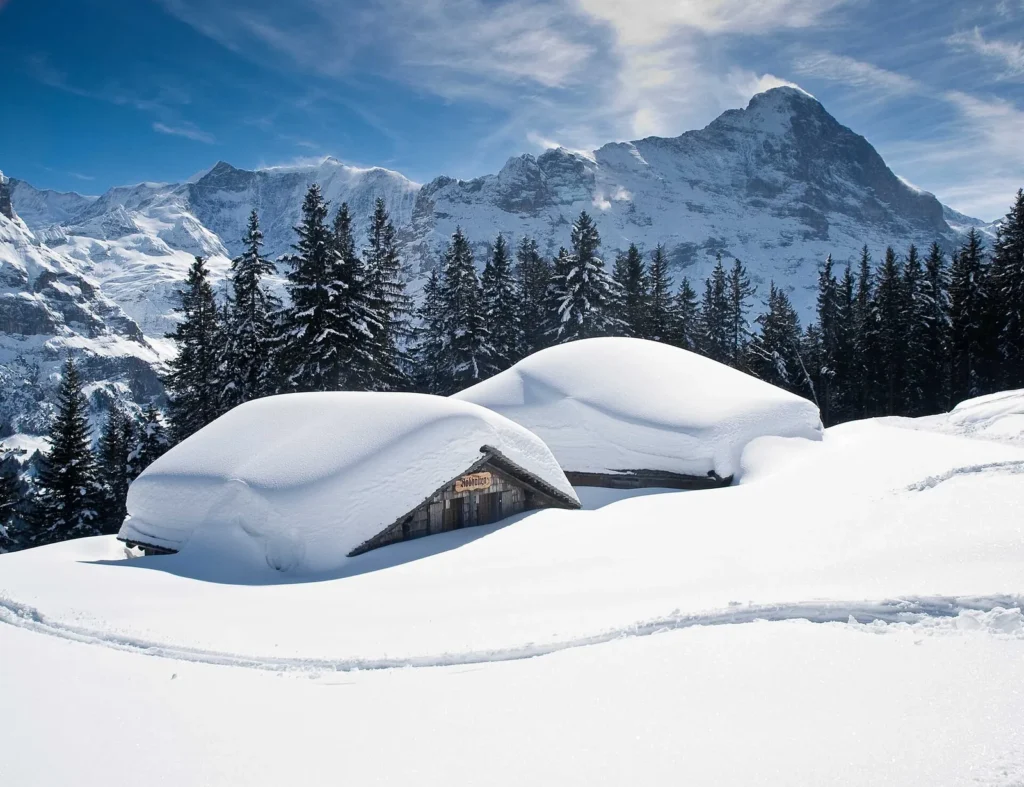
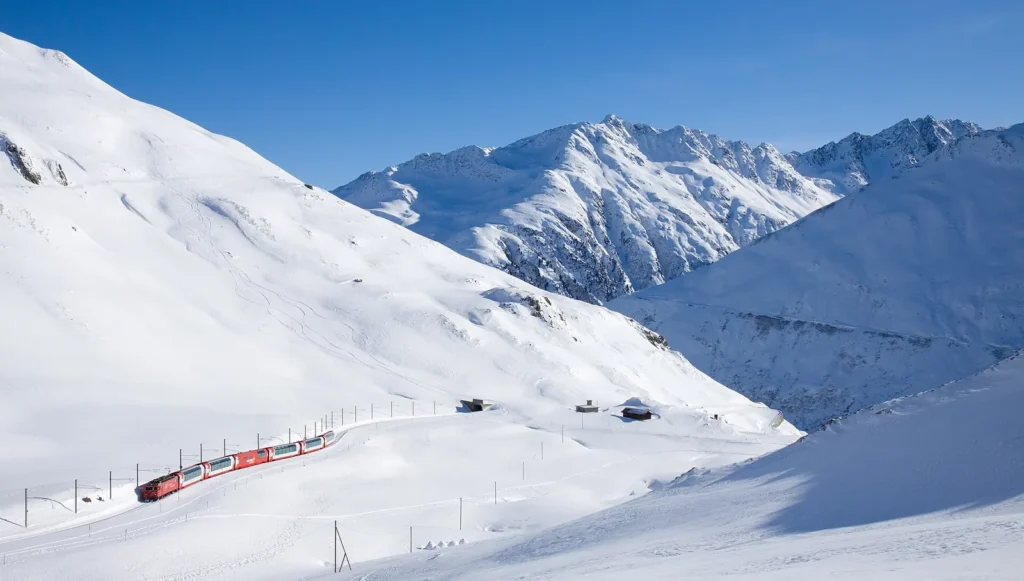
For snow, go between December and March. Switzerland Tourism’s season data for 2026 to 2027 shows some high ski areas opening very early: St. Moritz and Pontresina from 17 October 2026 to 2 May 2027, and Engelberg Titlis from 29 October 2026 to 1 May 2027. Davos opens on 13 November 2026, with an adult day ticket at CHF 87. Lower resorts open later and depend on snowfall, so check the resort before you book.
Christmas and New Year are the busiest and most expensive weeks of the winter. January is usually quieter and reliably snowy at height. For snowfall in the valleys as well as the peaks, January and February are your best chance, though valley snow is never guaranteed.
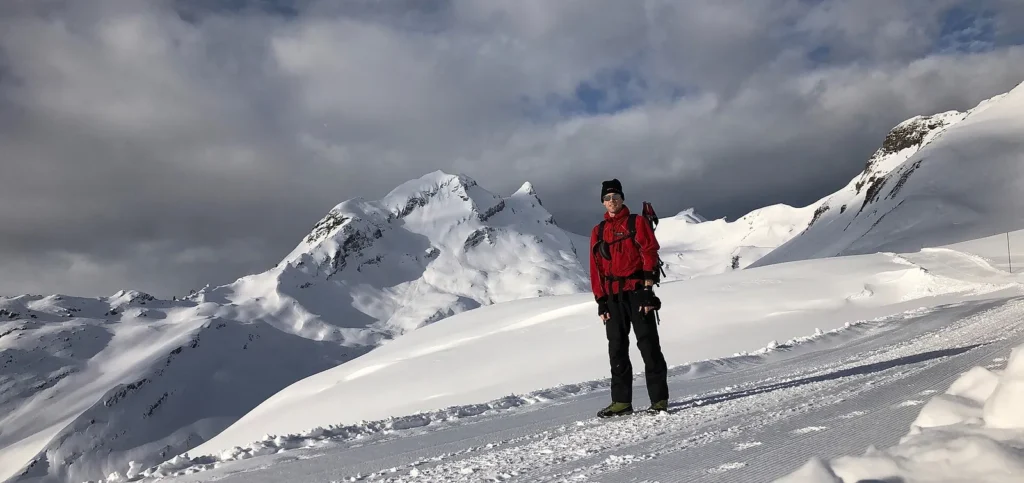
Winter is also a good time for non-skiers. Winter hiking trails, sledging runs, Christmas markets in December and snowy train rides all work without skis. Some high mountain passes are closed to cars in winter, so plan road trips around them.
Spring: April and May
April and May are mixed. Snow lingers up high into spring while the lowlands turn green, and blossom fills the lake towns. Prices drop after Easter and crowds are thin. The catch is that some lifts close between the ski and summer seasons, and high trails are still under snow. If your trip is about lakes and cities with one high excursion, May can be a good month.
The Jungfraujoch and other high peaks
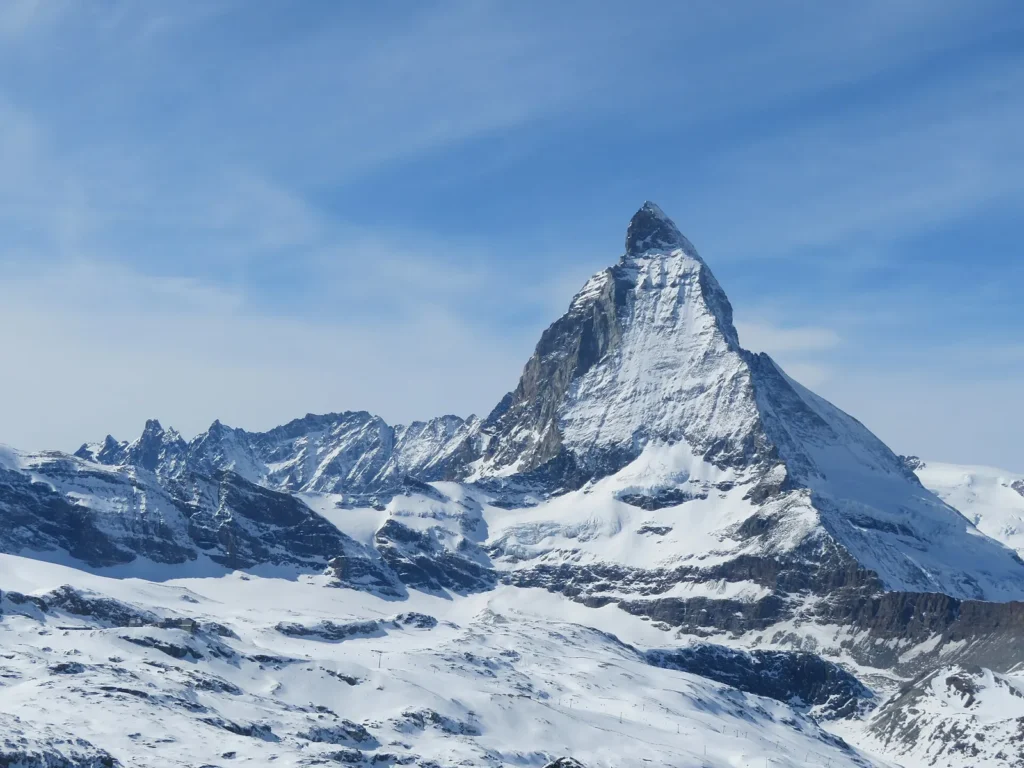
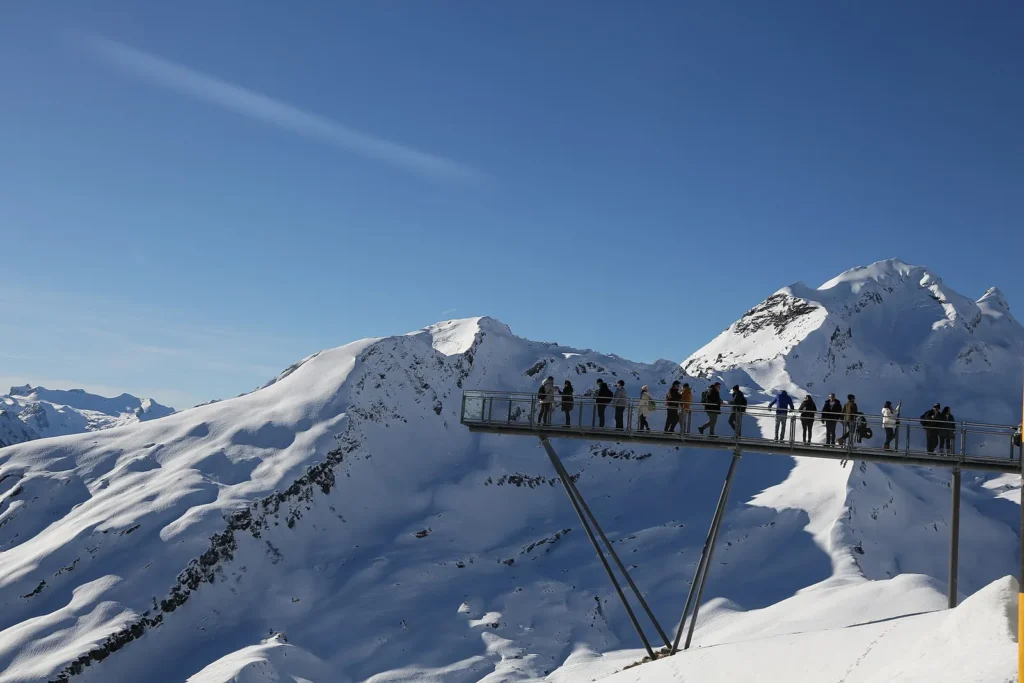
Some places are good in any season. Jungfrau Railways says the Jungfraujoch, at 3,454 metres, is open 365 days a year, with snow and ice guaranteed on the glacier platform all year. What changes by season is visibility, so keep a flexible day and go on the clearest morning. Our Jungfraujoch tickets, route and tips guide covers prices and trains, and the Zermatt and Matterhorn guide covers the Gornergrat and other views.
Best time for different trips
- From India in general: May to June and September suit most families, with good weather and fewer crowds than July and August.
- For snowfall: January and February, or December if you want Christmas markets too.
- For a honeymoon: September for mild weather and quiet trains, or December to February for snowy villages.
- For greenery: June to August, when meadows and valleys are at their brightest.
- With Paris: late May, June or September work well for both, since Paris is pleasant in those months too.
- With Italy: June or September, avoiding the hottest weeks in Italian cities in July and August.
Once you have your dates, see our Switzerland itinerary for 7 days for a route that fits any season with small changes.
FAQ
What is the best time to visit Switzerland from India?
June to September for green valleys and open mountain trails, or December to March for snow. May, June and September balance good weather with smaller crowds.
When is the best time to visit Switzerland for snowfall?
January and February are the best bet for snow in both valleys and resorts. Some high ski areas open from late October, but lower areas depend on snowfall.
Which month is best for a Switzerland honeymoon?
September is mild and quieter after the summer rush. For a snowy honeymoon, December to February works well.
Is Switzerland worth visiting in November?
It can be, for low prices and quiet cities, but it is often grey, and some lifts close between seasons. Check which mountain trips are running before you book.
When is Switzerland greenest?
June to August, when alpine meadows flower and the valleys are lush.
Is the Jungfraujoch open in winter?
Yes. Jungfrau Railways says it is open 365 days a year.
Official resources: WMO climate: Zurich; WMO climate: Geneva; WMO climate: Lugano; Switzerland Tourism: ski season data; Glacier Express timetable; Jungfrau Railways: Jungfraujoch
Photo credits
Featured image: No machine-readable author provided. Jacques Schreiber assumed (based on copyright claims). / Wikimedia Commons, CC BY 2.5; Summer: June to August: Peter Sabol / Wikimedia Commons, CC BY-SA 4.0; Summer: June to August: DanEmer83 / Wikimedia Commons, CC BY-SA 4.0; Autumn: September to November: GabrielleMerk / Wikimedia Commons, CC BY-SA 4.0; Autumn: September to November: Kabelleger / David Gubler (http://www.bahnbilder.ch) / Wikimedia Commons, CC BY-SA 3.0; Winter: December to March: Robert Campbell KOR / Wikimedia Commons, CC BY 2.0; Winter: December to March: Andy Harbach / Wikimedia Commons, CC BY 2.0; Spring: April and May: Paradise Chronicle / Wikimedia Commons, CC BY-SA 4.0.