Switzerland is small, and its trains, buses and boats run to a common timetable, so a week is enough to see a city, a lake and two mountain areas without hiring a car. This Switzerland itinerary for 7 days follows one line across the country: Zurich, then Lucerne and Mount Rigi, two days around Interlaken for Lauterbrunnen and the Jungfraujoch, and two days in car-free Zermatt below the Matterhorn.
Know before you go
- Route: Zurich (1 night), Lucerne (2 nights), Interlaken (2 nights), Zermatt (2 nights).
- Fly into: Zurich. Zermatt Tourism says Zermatt is about three and a half hours by train from Zurich Airport and four hours from Geneva or Basel airports.
- Rail pass: the Swiss Travel Pass costs CHF 399 for 6 days or CHF 439 for 8 days in 2nd class for an adult, per Switzerland Tourism.
- Included in the pass: trains, buses and boats, plus the mountain trips to Rigi, Stanserhorn and Stoos.
- Jungfraujoch: station at 3,454 m; return tickets from CHF 129.60, plus CHF 10 for a seat reservation.
- Visa: Switzerland is in the Schengen area; see our Schengen visa guide for Indians.
- Last checked: 27 October 2026 (sources under Official resources below).
In this Article
Switzerland 7 day itinerary at a glance
| Day | Base | Plan |
|---|---|---|
| 1 | Zurich | Arrive, old town and the Limmat |
| 2 | Lucerne | Chapel Bridge, old town, boat on Lake Lucerne |
| 3 | Lucerne | Day trip up Mount Rigi |
| 4 | Interlaken | Travel to Interlaken, afternoon in Lauterbrunnen |
| 5 | Interlaken | Jungfraujoch |
| 6 | Zermatt | Travel to Zermatt, Gornergrat railway |
| 7 | Zermatt | Morning in Zermatt, train back to Zurich or Geneva airport |
You can run the route in reverse if your flights land in Geneva. In that case, start in Zermatt and fly home from Zurich.
Before you go
Choose your pass first. The Swiss Travel Pass works on consecutive days, and Switzerland Tourism lists these adult 2nd class prices: CHF 254 for 3 days, CHF 309 for 4 days, CHF 399 for 6 days and CHF 439 for 8 days. Travellers up to their 25th birthday get 30% off with the Swiss Travel Pass Youth, and children aged 6 to 15 travel free with a parent who holds a pass, using the free Swiss Family Card.
For this route, compare an 8-day pass with a 6-day pass plus a single ticket for the airport leg. The pass also includes public transport in more than 90 towns and cities, entry to more than 500 museums, and the Rigi, Stanserhorn and Stoos mountain trips. Some panoramic trains, such as the Glacier Express, need a paid seat reservation on top.
German is the main language in Zurich, Lucerne, Interlaken and Zermatt. Everyday speech is Swiss German, which differs from standard German, but learning a few German phrases for the trip, such as greetings and thank-yous, is a friendly start. In Geneva the main language is French.
Day 1: Zurich
Land at Zurich Airport and take the train into the city. Leave your bags at the hotel and spend the afternoon walking the old town on both sides of the Limmat river. The twin towers of the Grossmünster church mark the east bank, and the lanes behind it are good for an unhurried first walk. End the day by the lake at the bottom of Bahnhofstrasse.
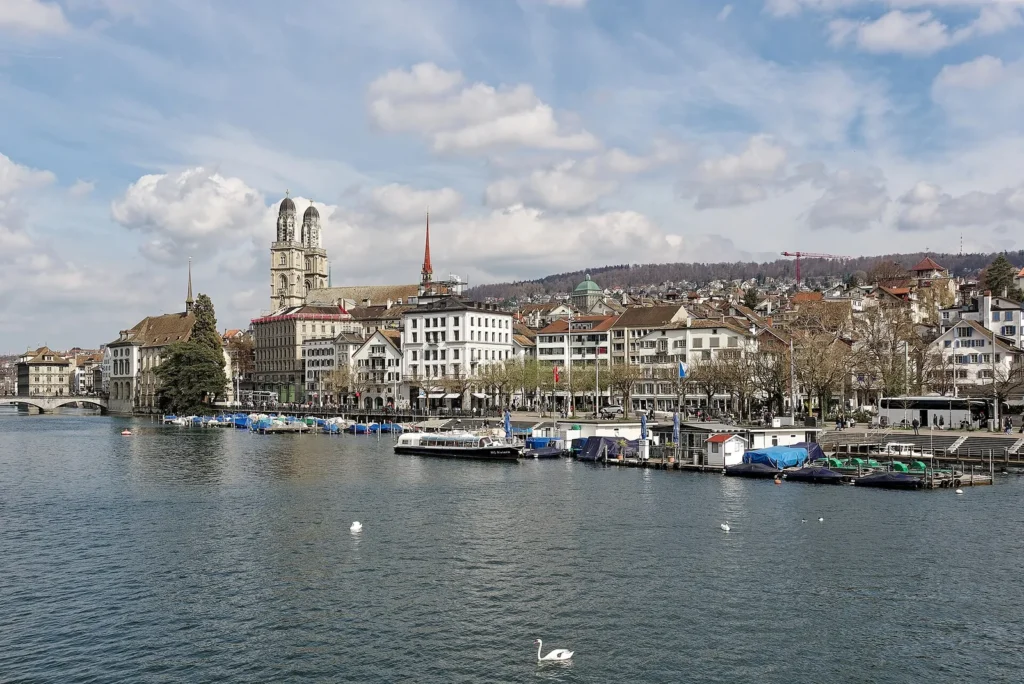
Do not try to see too much on day one. The long flight from India is reason enough to keep it light.
Day 2: Lucerne and the lake
Take a morning train to Lucerne. Start at the Chapel Bridge. Switzerland Tourism describes it as one of the oldest wooden bridges in Europe, first built in the 14th century and 204 m long. Paintings in its gables show scenes from Lucerne and Swiss history, and 30 panels were restored after a fire in 1993. The octagonal Water Tower beside it is not open to the public, but the view of both from the riverbank is the classic Lucerne picture. The bridge is free to walk across at any time; go early or late for fewer people.
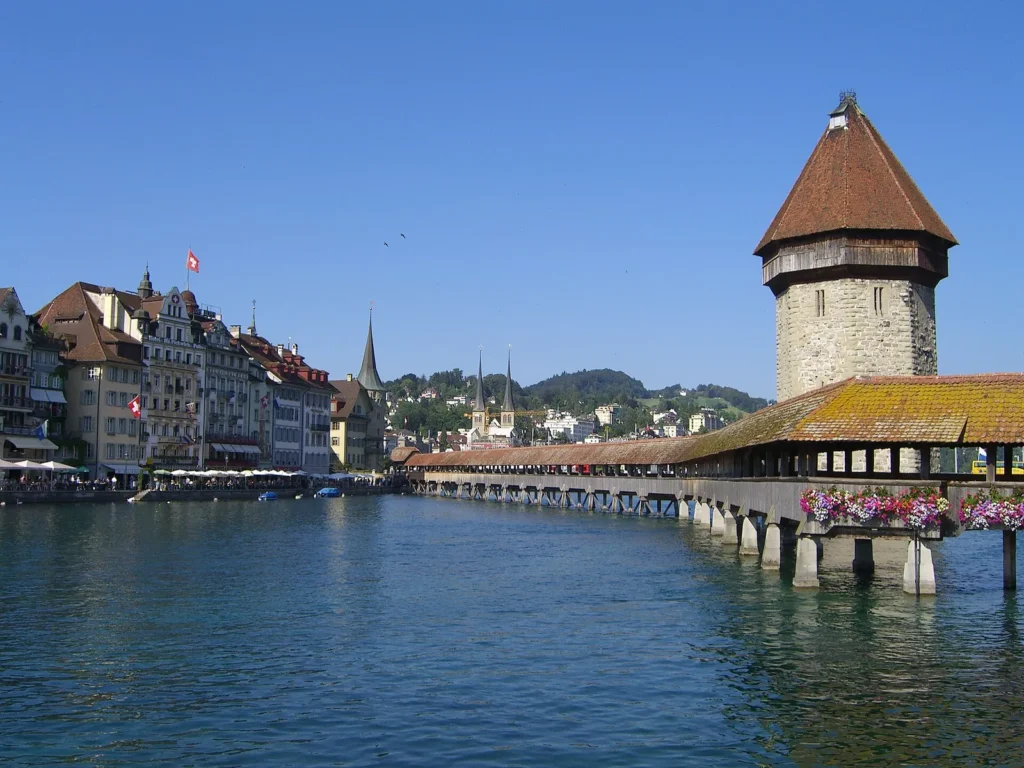
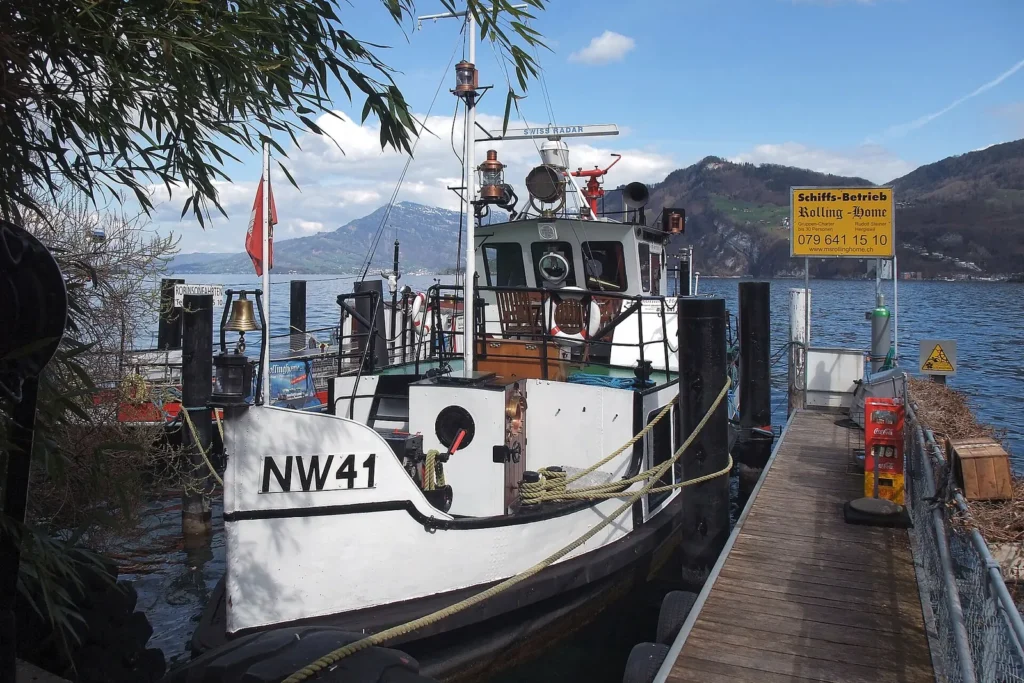
Spend the rest of the morning in the old town, with its painted facades and squares such as the Weinmarkt and Kapellplatz. In the afternoon, take a boat on Lake Lucerne. Boats are covered by the Swiss Travel Pass, so check the timetable and step on.
Day 3: Mount Rigi
Rigi is one of the three mountain trips included in the Swiss Travel Pass, which makes it a good choice for a pass-holder’s day out from Lucerne. One option is to take the boat across the lake and the cog railway up, then come down a different way. From the top, the views take in Lake Lucerne and the surrounding peaks on a clear day.
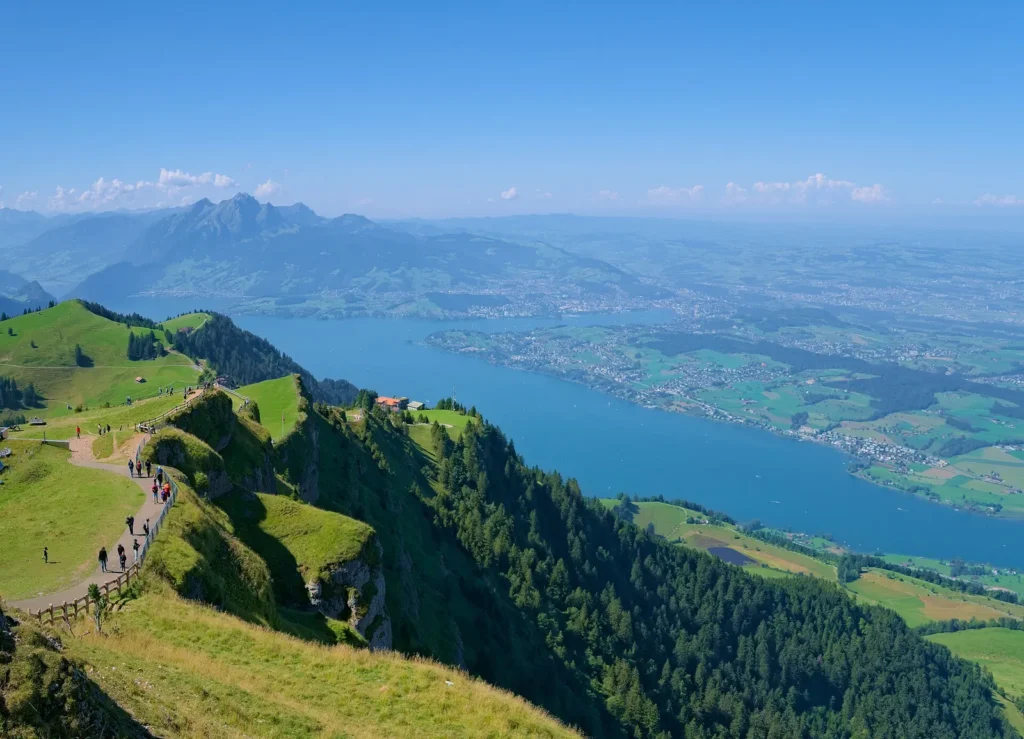
Check the weather forecast and webcams in the morning. If the summit is in cloud, swap this day with a lower walk around the lake and try Rigi on another morning.
Day 4: Interlaken and Lauterbrunnen
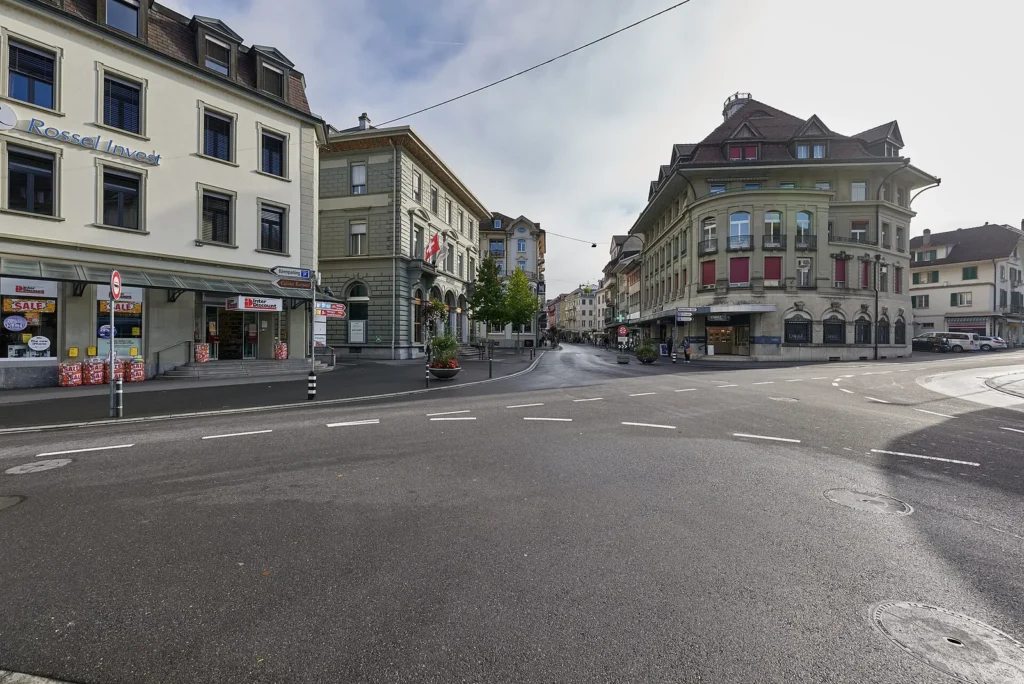
Take the train to Interlaken, between Lake Thun and Lake Brienz. Drop your bags and head straight back out. Interlaken itself is a resort town built along the Höheweg, but the real reason to stay here is the valleys behind it.
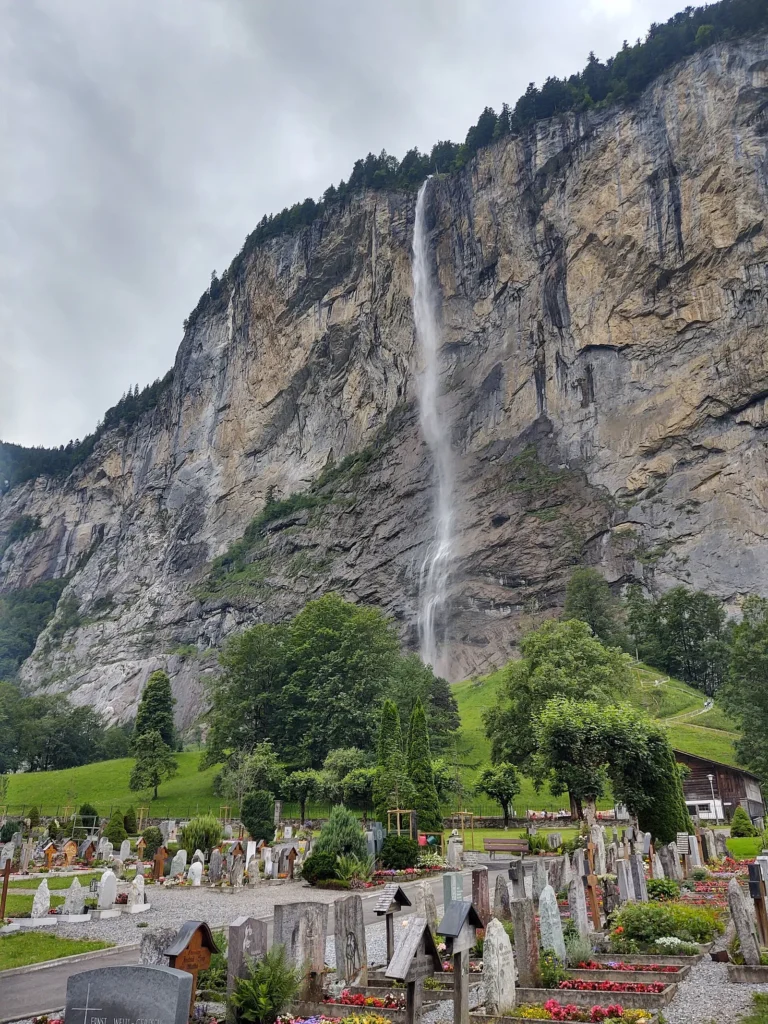
Spend the afternoon in Lauterbrunnen, a short train ride away. The village sits in a deep valley with high cliffs on both sides, and Staubbach Falls drops over the cliff right above the houses. Walk along the valley floor at your own pace.
Day 5: Jungfraujoch
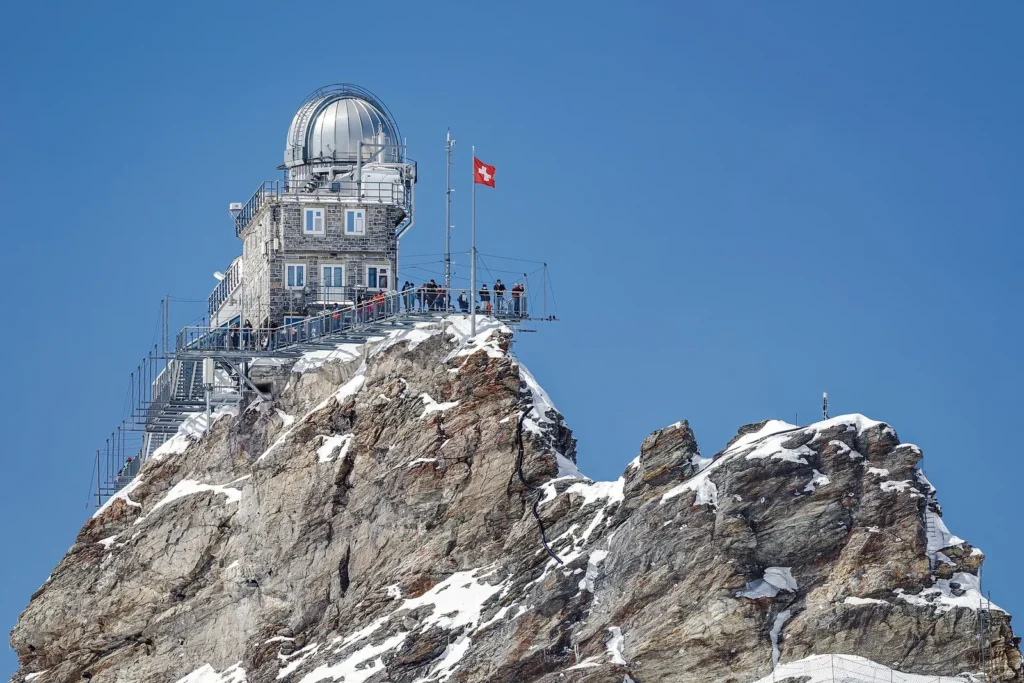
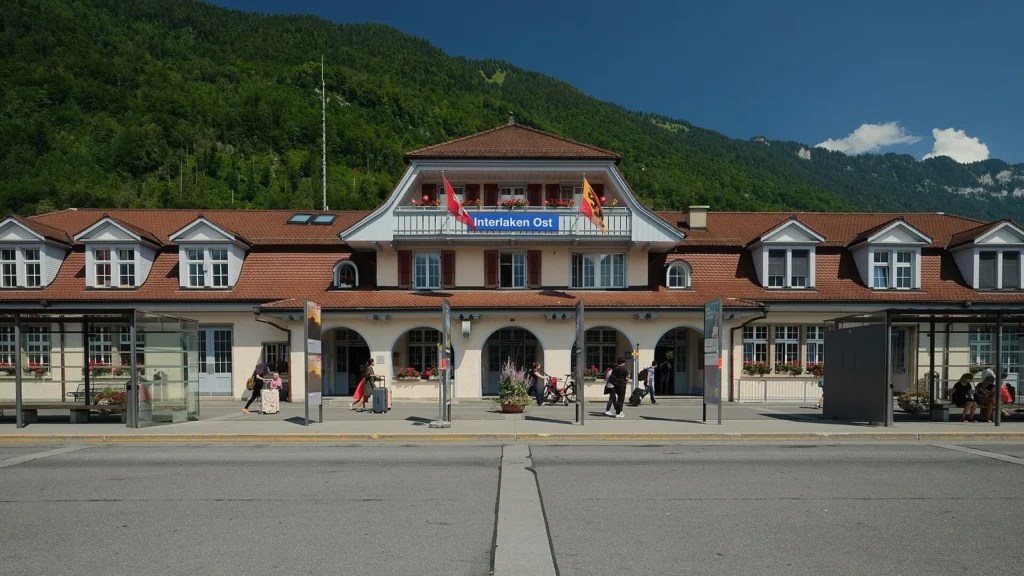
Save your clearest day for the Jungfraujoch. The trains start at Interlaken Ost, and the station at the top, at 3,454 m, is the highest railway station in Europe. Jungfrau Railways lists return tickets from CHF 129.60, depending on your starting station, date and rail pass, and strongly recommends a CHF 10 seat reservation for the trip up on good-weather days. Ask about pass-holder prices when you book.
At the top, you look over the Aletsch Glacier inside the Swiss Alps Jungfrau-Aletsch UNESCO World Heritage Site. Move slowly, because the air is thinner at that height. Our Jungfraujoch tickets, route and tips guide covers the routes, the Good Morning Ticket and what to see at the top.
If the weather is poor on the summit, keep the Jungfraujoch for another day and visit Grindelwald or the lakes instead.
Day 6: Zermatt and the Gornergrat
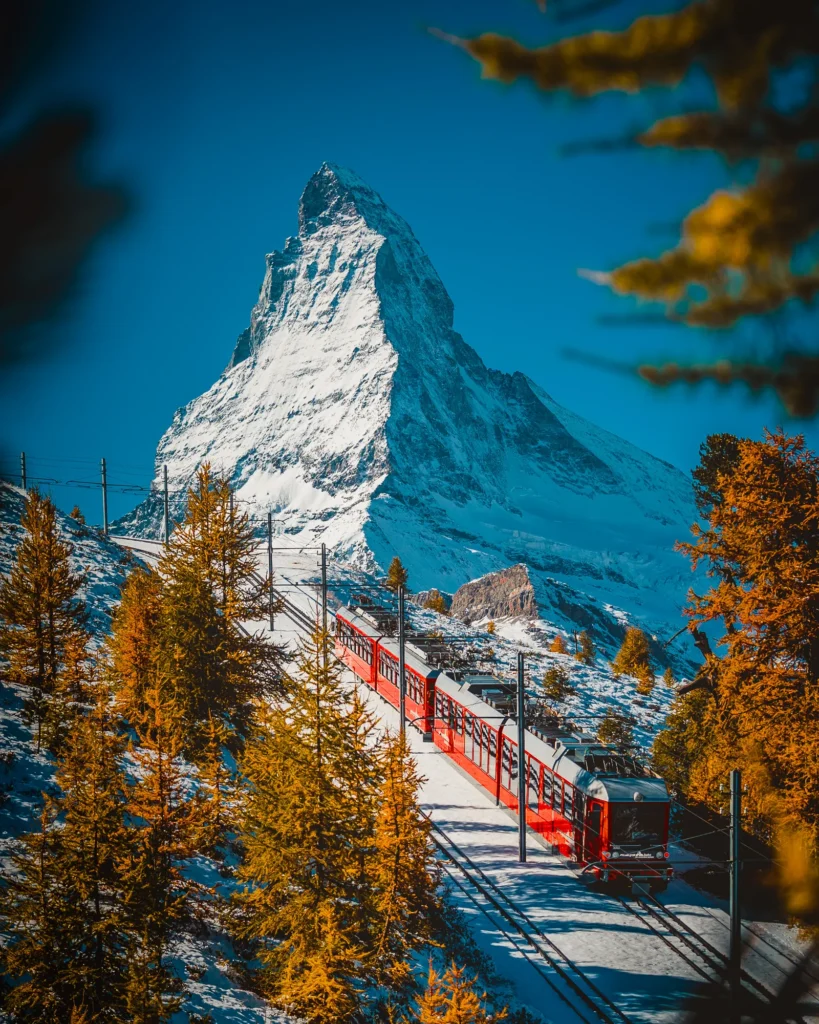
Take the train from Interlaken to Zermatt. Zermatt Tourism is clear that there are no cars in the village. Private vehicles stop at Täsch, five kilometres down the valley, and shuttle trains run to Zermatt every 20 minutes in a 12-minute ride. Arriving by train from Interlaken takes you straight into the village.
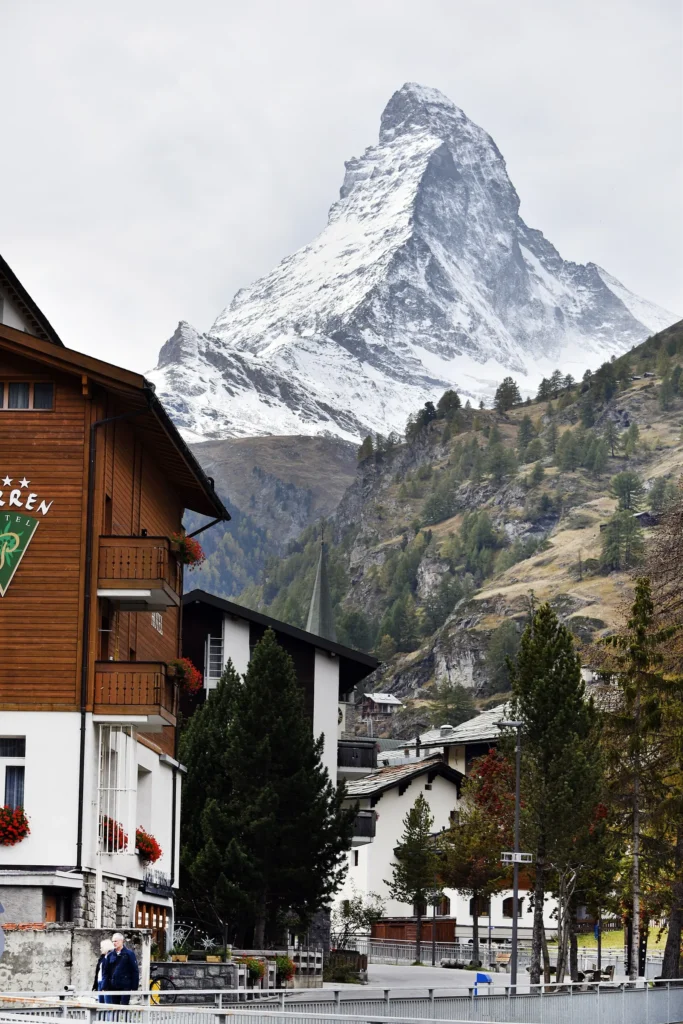
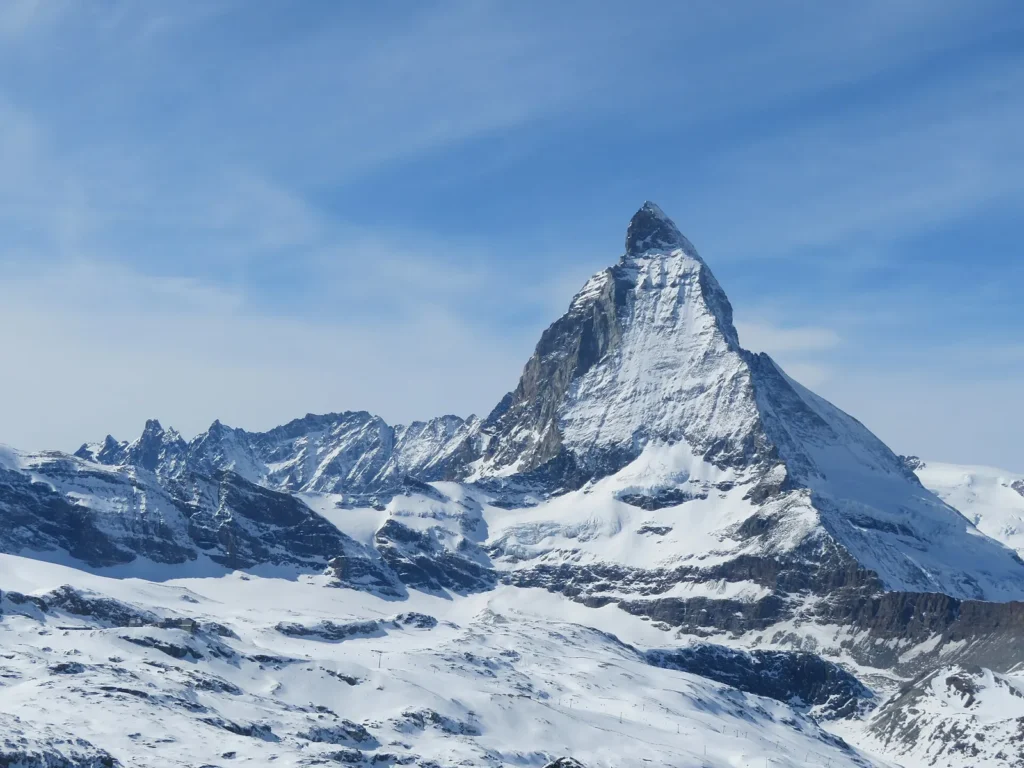
In the afternoon, ride the Gornergrat railway. Its operator says it climbs to about 3,100 m, into views of the Matterhorn, 28 four-thousand-metre peaks and the Gorner Glacier. Check the live info and webcam on the Gornergrat site before you go up.
Day 7: Zermatt and home
If your flight is in the evening, spend the morning walking in Zermatt or taking a lift for one more Matterhorn view. Then take the train back towards Zurich Airport, about three and a half hours by Zermatt Tourism’s estimate, or Geneva Airport, about four hours. Leave a safe margin before your flight.
Where to stay
- Zurich: near the main station, for an easy start on day 2.
- Lucerne: near the station or the old town, both close to the lake piers.
- Interlaken: near Interlaken Ost if you plan an early Jungfraujoch train.
- Zermatt: anywhere in the village is walkable, but staying near the station makes arrival and departure easier with luggage.
Changes to the route
- More time in the mountains: drop Zurich on day 1 and go straight to Lucerne from the airport.
- With children: swap Rigi for Stanserhorn or Stoos, also included in the pass, and keep travel days short.
- In winter: check that the mountain lifts and trains on your plan are running, and keep a spare day for weather.
FAQ
### Is 7 days enough for Switzerland? It is enough for one city, a lake and two mountain areas, as in this plan. Seeing more regions in the same time would mean more hours on trains and less time at each stop.
### Which Swiss Travel Pass should I buy for 7 days? Switzerland Tourism lists the 6-day 2nd class adult pass at CHF 399 and the 8-day pass at CHF 439. Compare the 8-day pass with a 6-day pass plus a single ticket for the airport leg.
### Is Rigi included in the Swiss Travel Pass? Yes. Switzerland Tourism lists Rigi, Stanserhorn and Stoos as mountain trips included in the pass.
### How do you get to Zermatt? By train. Zermatt is car-free, and private cars can only go as far as Täsch, from where shuttle trains run to the village every 20 minutes.
### How high is the Jungfraujoch? The station is at 3,454 m, which makes it the highest railway station in Europe.
### Do I need a visa for Switzerland from India? Yes. Switzerland is part of the Schengen area, so Indian passport holders need a Schengen visa.
Official resources: Switzerland Tourism: Swiss Travel Pass; Switzerland Tourism: Chapel Bridge; Jungfrau Railways: Jungfraujoch; Jungfrau Railways: prices and tickets; Gornergrat railway; Zermatt Tourism: arrival
Photo credits
Featured image: Alarris2 / Wikimedia Commons, CC BY 4.0; Day 1: Zurich: Jakub Hałun / Wikimedia Commons, CC BY 4.0; Day 2: Lucerne and the lake: Olivier Bruchez from Lausanne, Switzerland / Wikimedia Commons, CC BY-SA 2.0; Day 2: Lucerne and the lake: Kecko / Wikimedia Commons, CC BY 2.0; Day 3: Mount Rigi: Daniel Kraft / Wikimedia Commons, CC BY-SA 3.0; Day 4: Interlaken and Lauterbrunnen: Leonhard Lenz / Wikimedia Commons, CC0; Day 4: Interlaken and Lauterbrunnen: Sabrina Schreiber / Wikimedia Commons, CC BY-SA 4.0; Day 5: Jungfraujoch: [Tycho] talk , http://shansov.net / Wikimedia Commons, CC BY 3.0; Day 6: Zermatt and the Gornergrat: Alltheswissthings / Wikimedia Commons, CC BY-SA 4.0; Day 6: Zermatt and the Gornergrat: Patryk Hejduk / Wikimedia Commons, CC BY-SA 4.0.