Ten days is enough for a first taste of Europe if you keep to three countries and travel by train. This Europe itinerary for 10 days starts with canals and museums in Amsterdam, spends three days in Paris and ends with four days in the Swiss Alps, then flies home from Zurich. Each move is a single fast train of three to four hours, so you spend your days seeing places, not changing connections.
Know before you go
- Route: Amsterdam (2 nights), Paris (3 nights), Lucerne (2 nights), Interlaken (2 nights)
- Fly into: Amsterdam. Fly home from Zurich.
- Amsterdam to Paris: direct Eurostar to Paris Gare du Nord, fastest about 3 hours 25 minutes
- Paris to Zurich: six direct TGV Lyria trains a day from Paris Gare de Lyon, 4 hours 4 minutes
- Visa: one Schengen visa covers the Netherlands, France and Switzerland
- Swiss Travel Pass: CHF 309 for 4 days in 2nd class, adult
In this Article
- The route at a glance
- Before you book
- Day 1: Arrive in Amsterdam
- Day 2: Rijksmuseum, Anne Frank House and the Jordaan
- Day 3: Eurostar to Paris
- Day 4: Louvre, Tuileries and the Champs-Élysées
- Day 5: Notre-Dame, Sainte-Chapelle and Montmartre
- Day 6: TGV Lyria to Switzerland, on to Lucerne
- Day 7: Lucerne and Mount Rigi
- Day 8: Interlaken and Lauterbrunnen
- Day 9: Jungfraujoch
- Day 10: Fly home from Zurich
- Ways to change the plan
- Tips for the route
- FAQ
The route at a glance
| Day | Base | Plan |
|---|---|---|
| 1 | Amsterdam | Arrive, canal walk |
| 2 | Amsterdam | Rijksmuseum, Anne Frank House, Jordaan |
| 3 | Paris | Eurostar to Paris, Eiffel Tower in the evening |
| 4 | Paris | Louvre, Tuileries, Champs-Élysées |
| 5 | Paris | Notre-Dame, Sainte-Chapelle, Montmartre |
| 6 | Lucerne | TGV Lyria to Zurich, on to Lucerne |
| 7 | Lucerne | Chapel Bridge, old town, Mount Rigi |
| 8 | Interlaken | Train to Interlaken, Lauterbrunnen |
| 9 | Interlaken | Jungfraujoch |
| 10 | Zurich | Train to Zurich Airport, fly home |
The order works because each leg points the same way, from the north of Europe towards the Alps. Open-jaw flights, into Amsterdam and out of Zurich, save you a long return trip to your first city. If flights from your city are cheaper the other way round, run the whole plan in reverse.
Before you book
Sort out three things before you buy any tickets.
The visa. The Netherlands, France and Switzerland are all in the Schengen area, so Indian passport holders need one Schengen visa. Apply to the country where you spend the most nights. On this plan that is Paris or Switzerland, depending on how you count, so keep your hotel bookings consistent with your application. Our Schengen visa for Indians guide covers fees, documents and insurance rules.
The budget. Rail, hotels and entry tickets add up quickly in these three countries. Our Europe trip cost from India breakdown lists the fixed costs with official prices.
The season. May, June and September are a good balance of weather and crowds for this route, and the Alps are at their best from June to September. See our guide to the best time to visit Europe for month-by-month detail.
Timed tickets. The Anne Frank House sells tickets only online, and releases them every Tuesday at 10am CET for visits six weeks later. Put a reminder in your calendar as soon as your dates are fixed.
Day 1: Arrive in Amsterdam
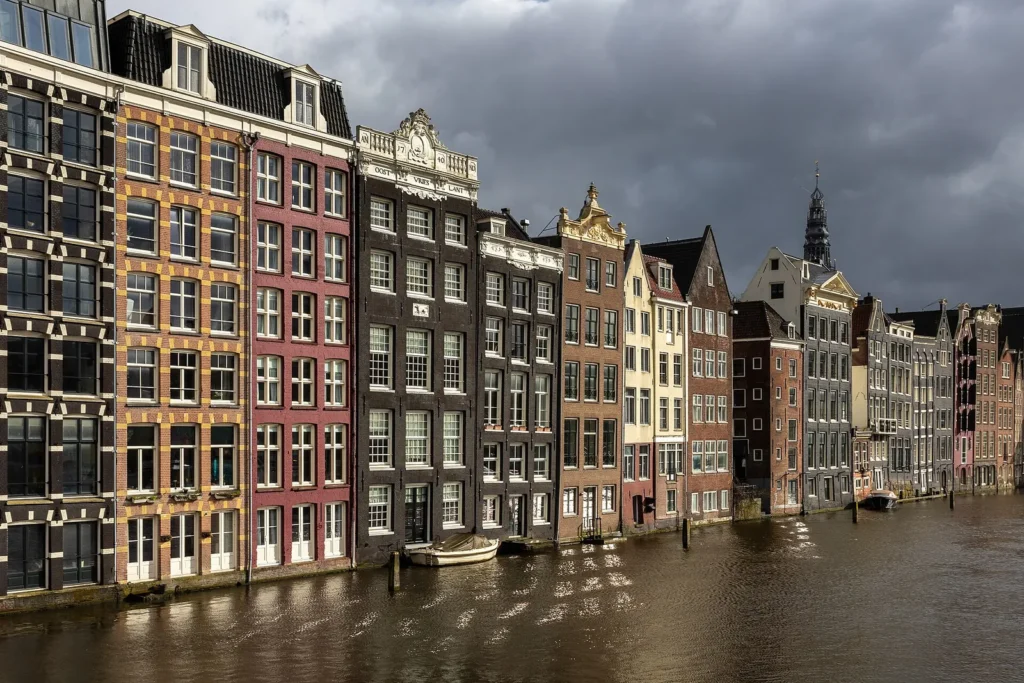
Most flights from India land at Schiphol in the morning or early afternoon. Drop your bags and spend the first evening walking the canal ring. The Damrak, near the central station, and the quieter streets of the Jordaan are easy places to start. Keep the first day light, because jet lag tends to catch up by the evening.
Day 2: Rijksmuseum, Anne Frank House and the Jordaan
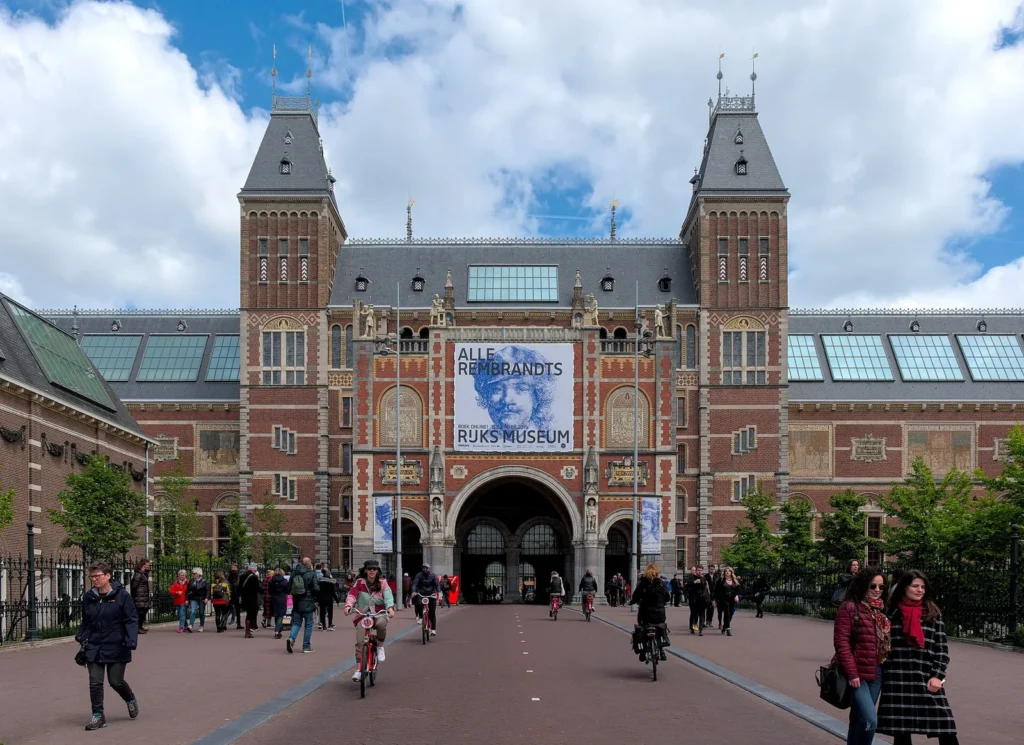
Start at the Rijksmuseum when it opens at 9am. It is the national museum of the Netherlands, with more than 8,000 works of Dutch art and history, including Rembrandt’s The Night Watch and Vermeer’s The Milkmaid. It is open daily from 9am to 5pm, and an adult ticket costs EUR 25. The museum lists a price of EUR 26.50 from 2027, and visitors aged 18 and under go free. The garden around the building is free to visit.
In the afternoon, go to the Anne Frank House at your booked time. Tickets are not sold at the door. The adult price is EUR 16.50 including a EUR 1 booking fee, and tickets cannot be exchanged or refunded, so book the slot that fits your day. Afterwards, walk into the Jordaan for its small canals, cafés and independent shops.
Day 3: Eurostar to Paris
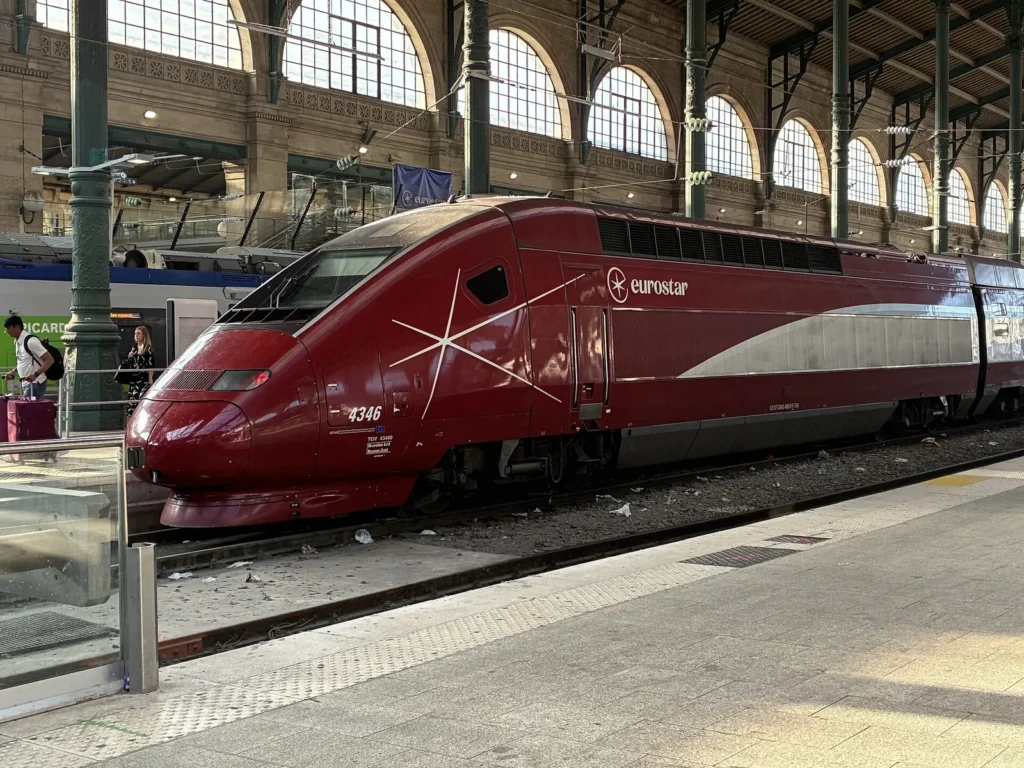
Take a morning Eurostar from Amsterdam Centraal. The fastest direct trains reach Paris Gare du Nord in about 3 hours 25 minutes, according to NS International, which sells the tickets from EUR 35 one way. Fares rise as trains fill, so book as soon as booking opens for your date.
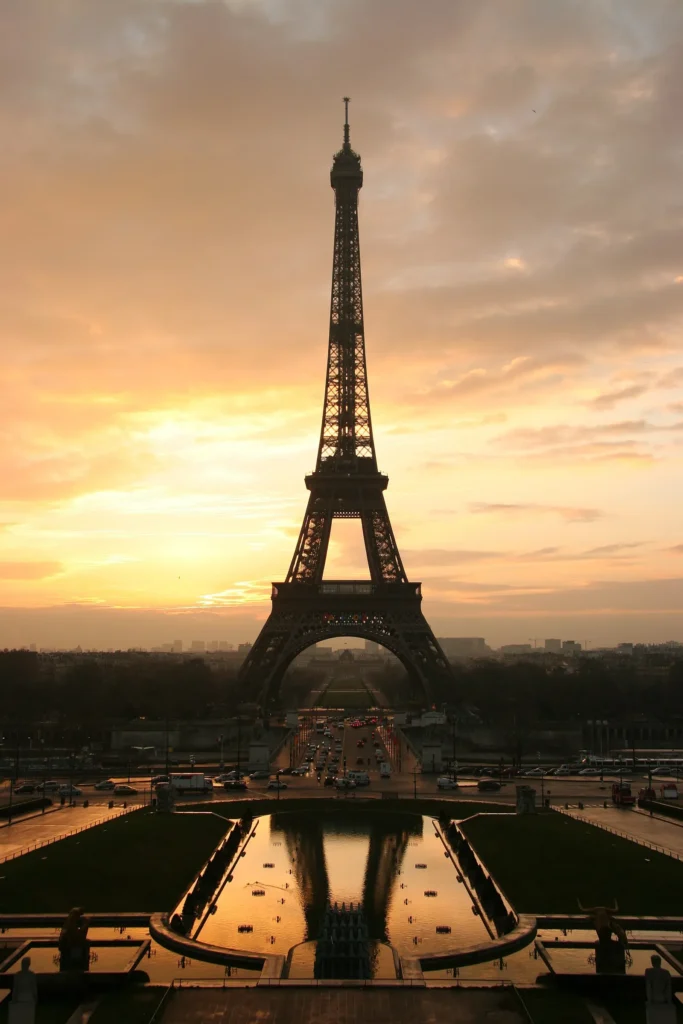
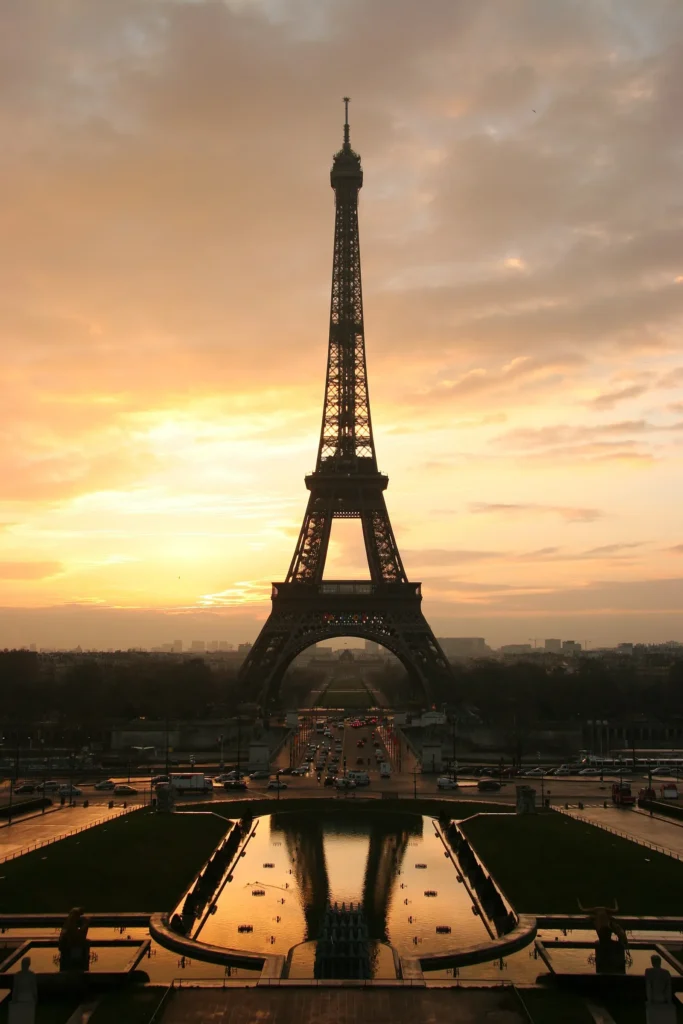
Check in, rest, and head to the Eiffel Tower for the evening. Seeing it lit up from the Trocadéro is free. If you want to go up, the official prices until 10 January 2027 are EUR 14.80 for the second floor by stairs and EUR 36.70 for the summit by lift for an adult. Book the summit ticket in advance in busy months. Our Eiffel Tower tickets guide explains every option.
Day 4: Louvre, Tuileries and the Champs-Élysées
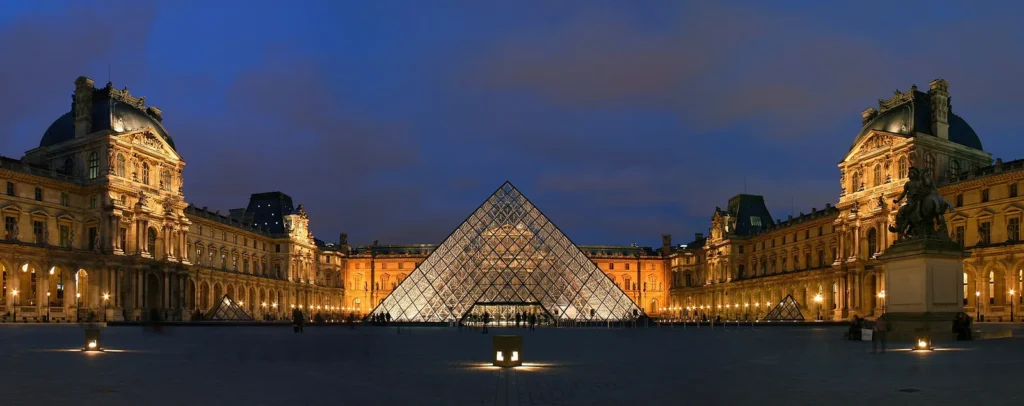
The Louvre is closed on Tuesdays, so plan this day around it. It opens from 9am to 6pm, until 9pm on Wednesday and Friday. Non-EEA adults pay EUR 32 and under-18s go free. Book a timed slot on the official site and avoid sellers outside.
Give the museum three or four hours. Then walk west through the Tuileries Garden to Place de la Concorde and up the Champs-Élysées to the Arc de Triomphe, where the rooftop costs EUR 16 at full price.
Day 5: Notre-Dame, Sainte-Chapelle and Montmartre
Start on the Île de la Cité. Notre-Dame is free to enter and opens at 7:50am on weekdays and 8:15am at weekends, with an optional free reservation on its official website. Next door, Sainte-Chapelle has some of the finest stained glass in Paris, with a full-price ticket of EUR 22.
Spend the afternoon in the Latin Quarter, then take the metro north to Montmartre for the Sacré-Cœur and the view over the city at sunset. For a fuller plan of the city, see our Paris itinerary for 3 days.
Day 6: TGV Lyria to Switzerland, on to Lucerne
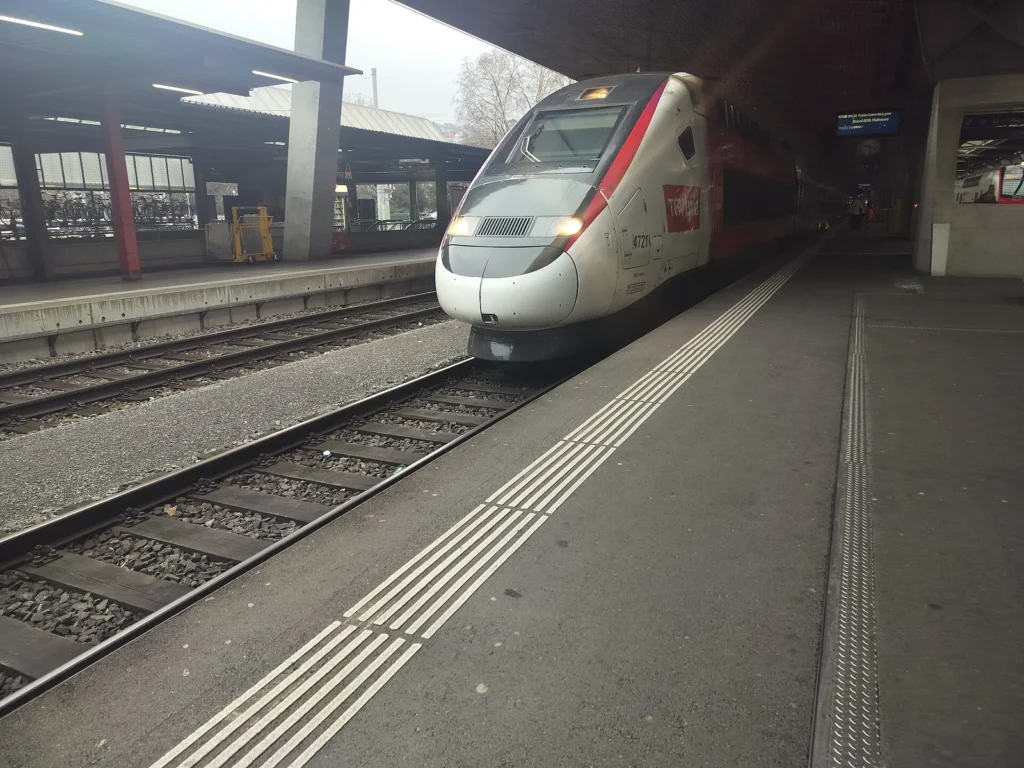
TGV Lyria runs six direct trains a day from Paris Gare de Lyon to Zurich, with a journey time of 4 hours 4 minutes. A morning train gets you to Zurich by lunch. From there, a regional train runs to Lucerne. Check the SBB timetable for the next connection.
This is a good day to start a Swiss Travel Pass. Switzerland Tourism lists adult 2nd class prices of CHF 309 for 4 days and CHF 399 for 6 days, valid on consecutive days. A 4-day pass covers days 6 to 9; buy a single ticket for the airport leg on day 10, or compare that with the 6-day price. The pass covers trains, buses and boats, public transport in more than 90 towns and cities, and the mountain trips to Rigi, Stanserhorn and Stoos.
Spend the evening by the lake in Lucerne.
Day 7: Lucerne and Mount Rigi
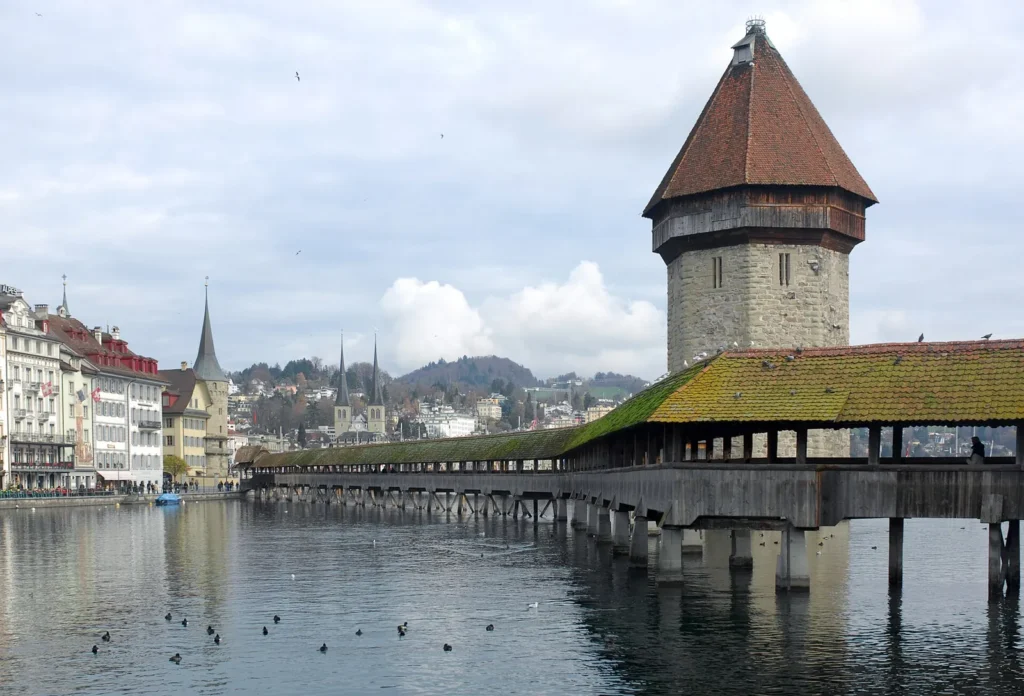
Begin at the Chapel Bridge. Switzerland Tourism describes it as one of the oldest wooden bridges in Europe, first built in the 14th century and 204 metres long, with paintings in its gables showing scenes from Lucerne and Swiss history. Walk through the old town, with its painted facades and small squares.
After lunch, go up Mount Rigi. It is included in the Swiss Travel Pass, so a boat across Lake Lucerne and a cog railway to the top cost nothing extra. On a clear day the view takes in the lake and a long line of Alpine peaks.
Day 8: Interlaken and Lauterbrunnen
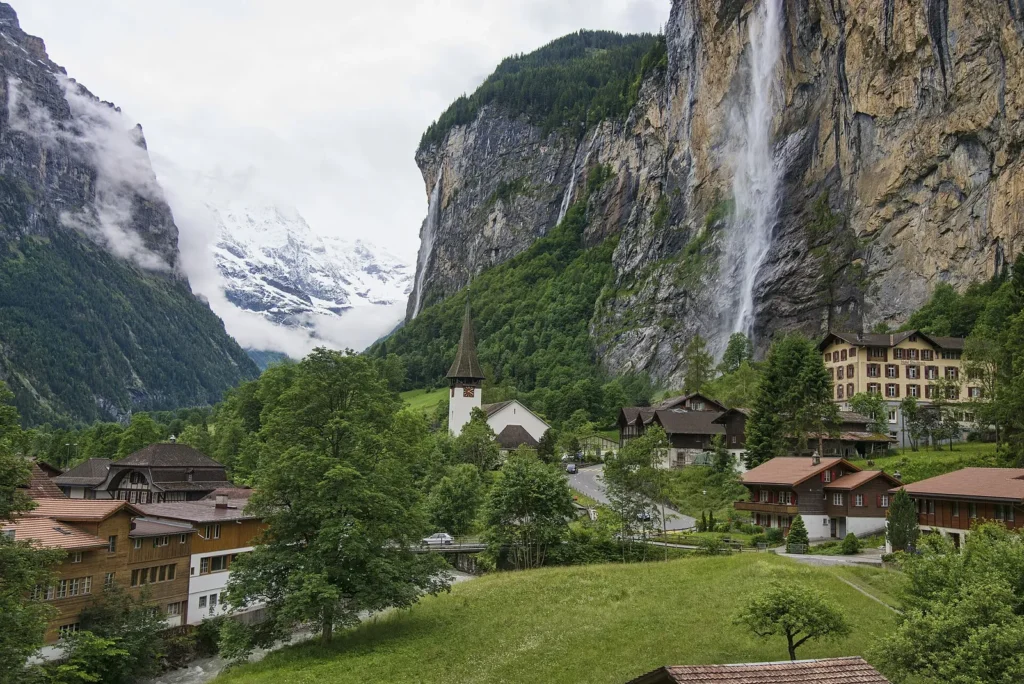
Take a train to Interlaken in the morning and leave your bags at the hotel. In the afternoon, ride the short line to Lauterbrunnen, a narrow valley of steep cliffs and waterfalls. Staubbach Falls drops close to the village and is an easy walk from the station. If the weather is fine, stay on into Wengen or Mürren for views across the valley.
Day 9: Jungfraujoch
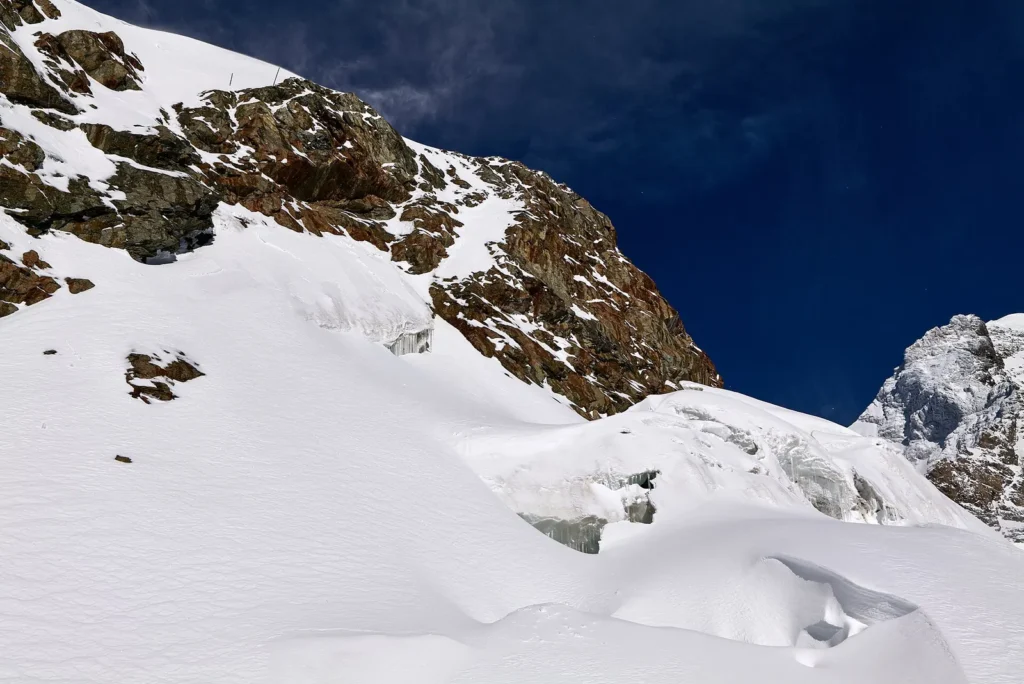
Save your clearest day for the Jungfraujoch. Trains start at Interlaken Ost and climb to the highest railway station in Europe, at 3,454 metres. Jungfrau Railways lists return tickets from CHF 129.60, depending on your starting station, date and rail pass, plus CHF 10 for a seat reservation. Check the webcams in the morning before you set off. At the top there are ice halls, the Sphinx terrace and views over the Aletsch Glacier. Carry warm layers and sunglasses even in summer, and take the altitude slowly. Our Jungfraujoch tickets, route and tips guide has the full detail.
Day 10: Fly home from Zurich
Take a morning train from Interlaken towards Zurich Airport. The station is under the terminal, so you can walk straight to check-in. Leave a margin of a few hours for check-in, VAT refund forms and security.
Ways to change the plan
- With more mountain time: drop Amsterdam, add a night in Paris and add Zermatt for two nights. Our Switzerland itinerary for 7 days and Zermatt and Matterhorn guide show how.
- With family or kids: keep one day of rest in each country, swap Rigi for Stanserhorn or Stoos, and pick hotels near the main stations so luggage moves are short.
- From London: take the Eurostar from London to Paris and swap Amsterdam for two nights in London. A UK visa is separate from the Schengen visa.
- On a lower budget: stay outside the city centres near a train line, use day passes in Paris and buy rail tickets early.
Tips for the route
- Pack light. You change hotels three times, and Swiss trains have limited luggage space.
- Book Eurostar and TGV Lyria tickets as soon as your dates are fixed, since fares rise as trains fill.
- Keep printed and phone copies of every booking for the visa interview and the trip.
- Check museum closing days. The Louvre shuts on Tuesdays.
- Keep one flexible day in Switzerland so you can move the Jungfraujoch to the clearest morning.
FAQ
Is 10 days enough for Europe?
It is enough for three countries if you travel by train and keep to two or three nights in each place, as in this plan. Adding more cities would mean more time on trains.
What is the best Europe itinerary for 10 days from India?
A route that starts in one city and ends in another works well, such as Amsterdam, Paris and Switzerland, flying into Amsterdam and out of Zurich. All three countries are covered by one Schengen visa.
Can I do this Europe itinerary for 10 days with kids?
Yes. Keep travel days short, book hotels near stations, and use the Swiss Family Card, which lets children aged 6 to 15 travel free with a parent who holds a Swiss Travel Pass.
How do I travel between Paris and Switzerland?
TGV Lyria runs six direct trains a day from Paris Gare de Lyon to Zurich, taking 4 hours 4 minutes. TGV Lyria also runs from Paris to Basel and Lausanne.
Do I need a separate visa for Switzerland?
No. Switzerland is in the Schengen area, so the same Schengen visa covers the Netherlands, France and Switzerland.
How long is the train from Amsterdam to Paris?
The fastest direct Eurostar takes about 3 hours 25 minutes from Amsterdam Centraal to Paris Gare du Nord.
Official resources: NS International: Amsterdam to Paris; TGV Lyria: Paris to Zurich; Anne Frank House tickets; Rijksmuseum visit; Louvre hours and admission; Switzerland Tourism: Swiss Travel Pass; Jungfrau Railways prices
Photo credits
Featured image: Basile Morin / Wikimedia Commons, CC BY-SA 4.0; Day 2: Rijksmuseum, Anne Frank House and the Jordaan: Trougnouf (Benoit Brummer) / Wikimedia Commons, CC BY 4.0; Day 3: Eurostar to Paris: Lin Xiangru / Wikimedia Commons, CC BY-SA 4.0; Day 3: Eurostar to Paris: Tristan Nitot / Wikimedia Commons, CC BY-SA 3.0; Day 4: Louvre, Tuileries and the Champs-Élysées: Benh LIEU SONG / Wikimedia Commons, CC BY 2.5; Day 6: TGV Lyria to Switzerland, on to Lucerne: OpenCatMap / Wikimedia Commons, CC BY-SA 4.0; Day 7: Lucerne and Mount Rigi: Godot13 / Wikimedia Commons, CC BY-SA 4.0; Day 8: Interlaken and Lauterbrunnen: chensiyuan / Wikimedia Commons, CC BY-SA 4.0; Day 9: Jungfraujoch: Leonhard Lenz / Wikimedia Commons, CC0.