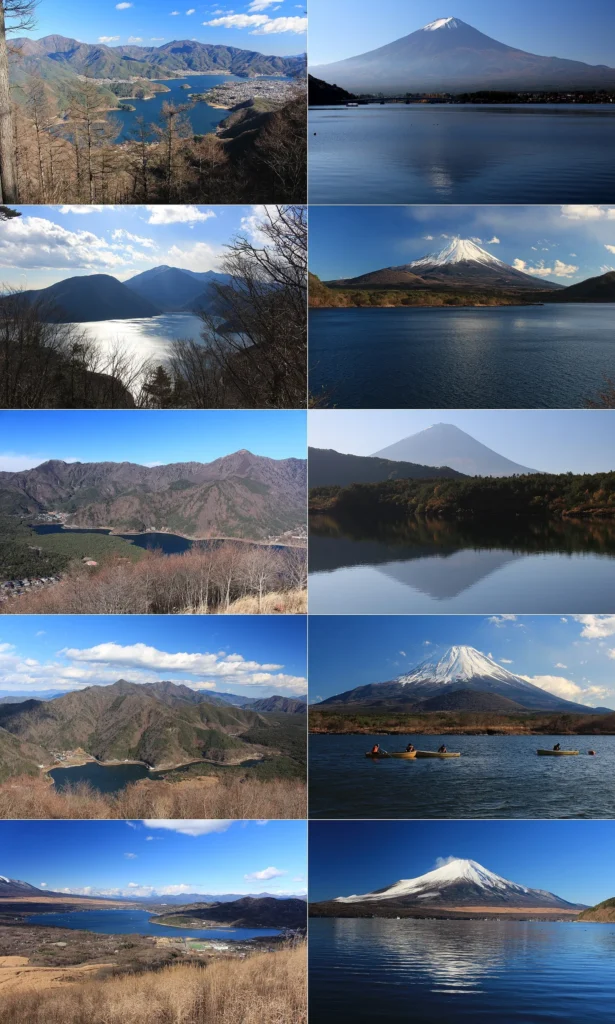
Mount Fuji is an easy day trip from Tokyo if you pick the right base. The Japan National Tourism Organization says Lake Kawaguchi is the easiest of the Fuji Five Lakes to reach from Tokyo, and on a still, clear day you can see Fuji reflected in the water. This guide covers the bus and train options, a simple plan and why this is a viewing trip, not a climb.
Know before you go
- Best base: Lake Kawaguchi (Kawaguchiko).
- Bus: from Shinjuku Expressway Bus Terminal, just under 2 hours.
- Train: JR Chuo Line to Otsuki, then the Fuji Kyuko Line, about 2 hours 5 minutes in total.
- Best views: the morning, before haze and cloud build.
- Climbing: a summer activity only, not part of a day trip.
- Last checked: 6 November 2026.
In this guide
How to get there
By bus
Highway buses to Kawaguchiko Station leave from the Shinjuku Expressway Bus Terminal. The tourism board says the ride takes about 1 hour 45 minutes and that it is the economical option, listing a fare of 2,000 yen. Fares change, so confirm the price when you book.
By train
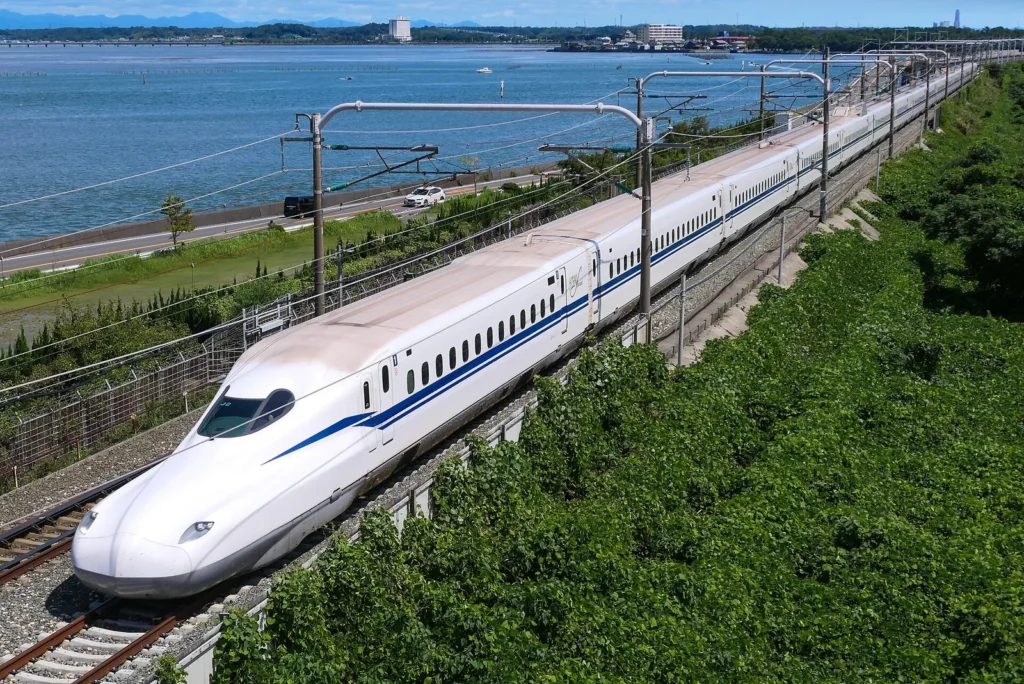
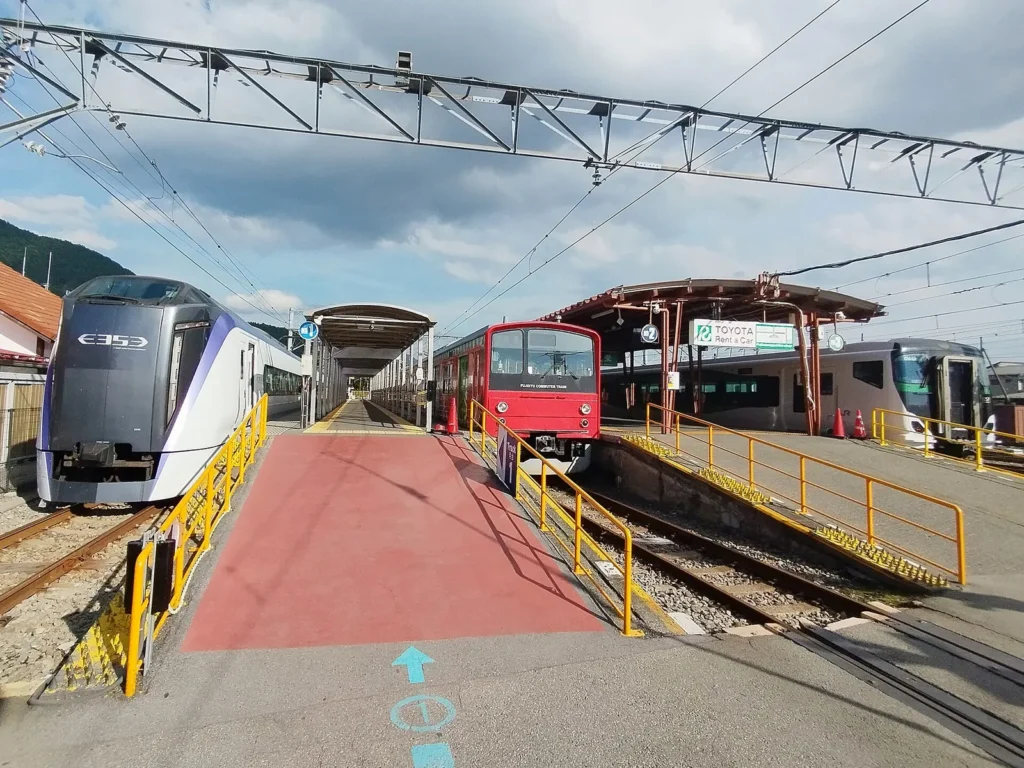
Take a JR train from Shinjuku to Otsuki on the Chuo Line, which takes about an hour, then change to the Fuji Kyuko Line for Kawaguchiko Station. JNTO puts the whole trip at about 2 hours 5 minutes with the Limited Express. The JR Rail Pass is not accepted on the Fuji Kyuko Line.
A simple day plan
- Take an early bus from Shinjuku so you reach the lake in the morning. JNTO notes that haze and clouds tend to hide the mountain as the day goes on.
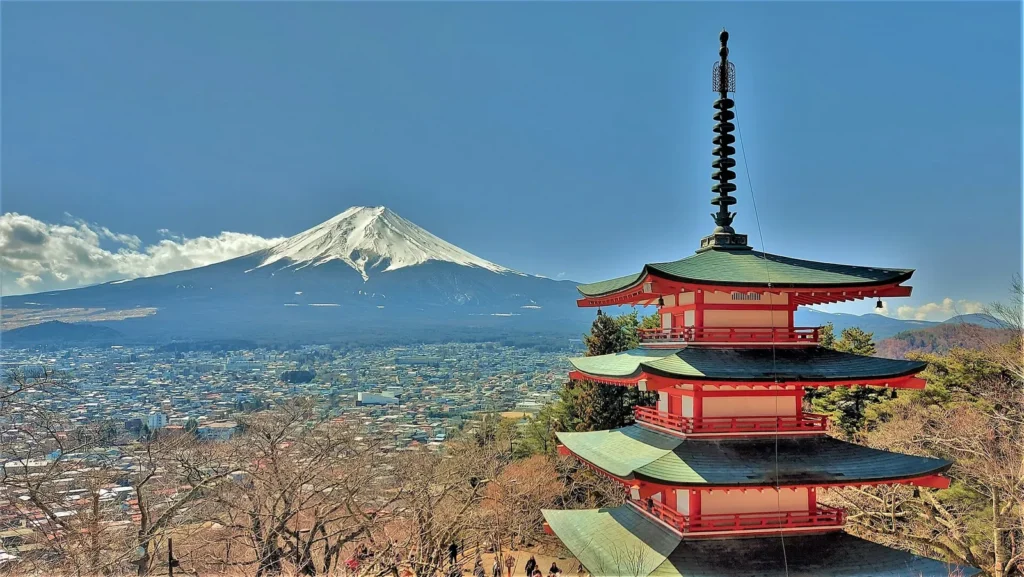
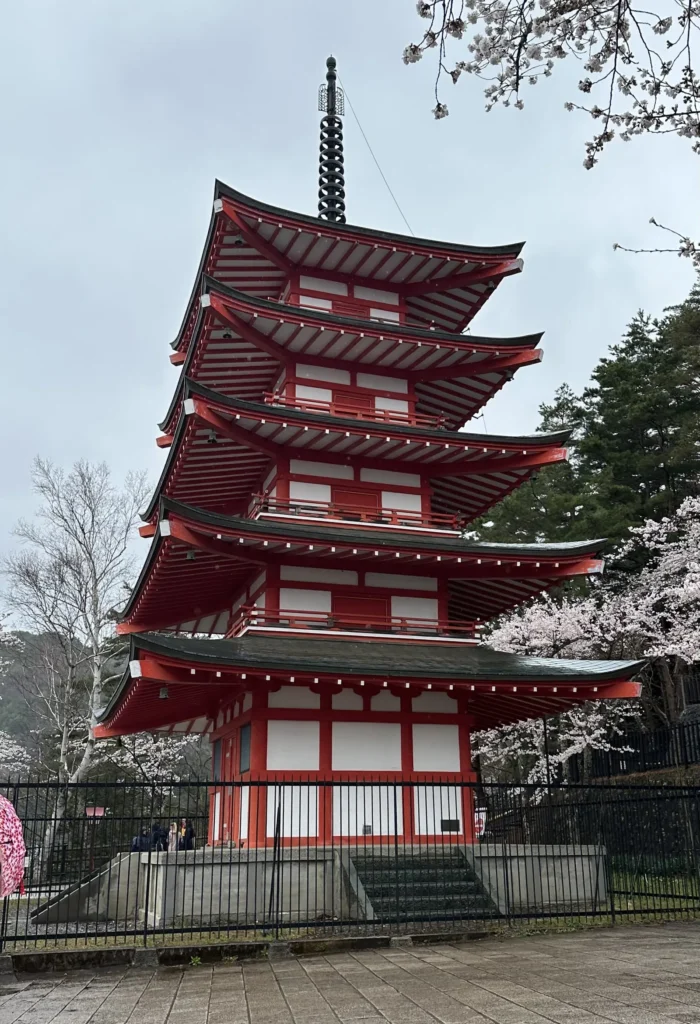
- Head to Arakurayama Sengen Park, often called Chureito Pagoda, for the classic view. It is reached from Shimoyoshida Station and involves a climb up steps.
- Spend the middle of the day at Lake Kawaguchi. JNTO suggests a lake cruise, a bicycle, or museums such as the Itchiku Kubota Art Museum.
- Ride the Mt. Fuji Panoramic Ropeway. It is a 15 minute walk from the station and rises 1,000 m to the top of Mt. Tenjo.
- Head back well before the last bus.
Lake Kawaguchi
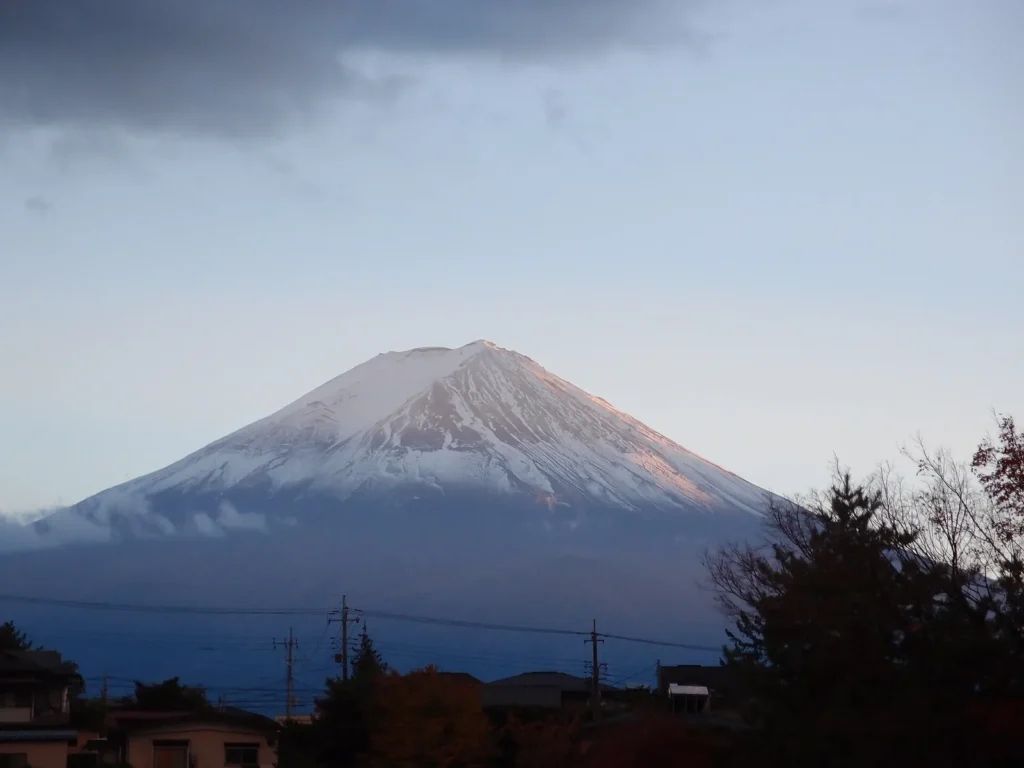
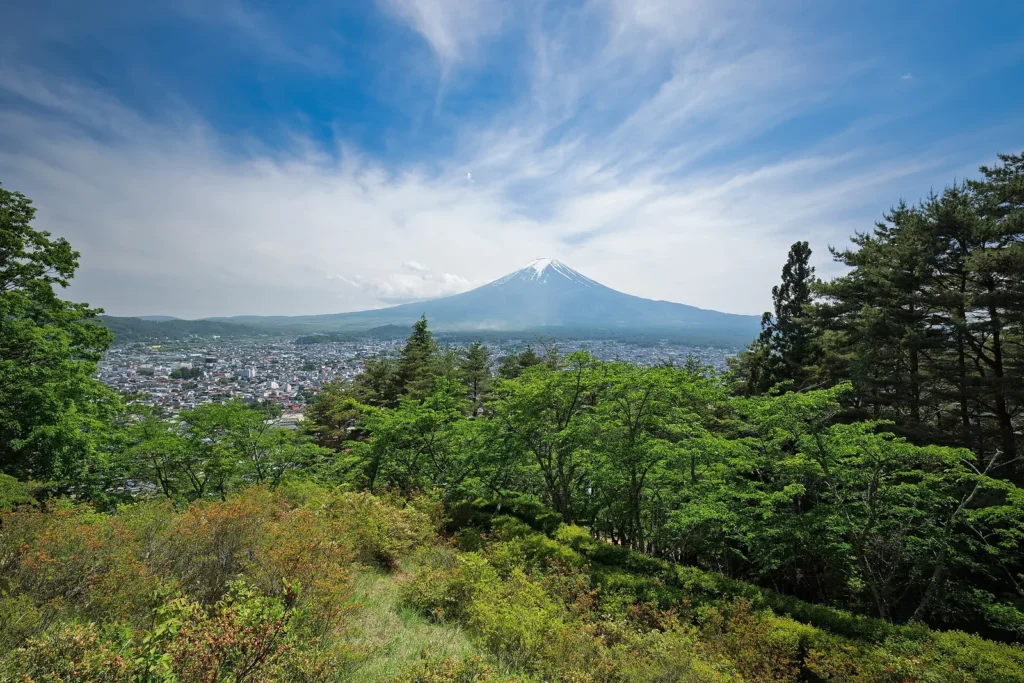
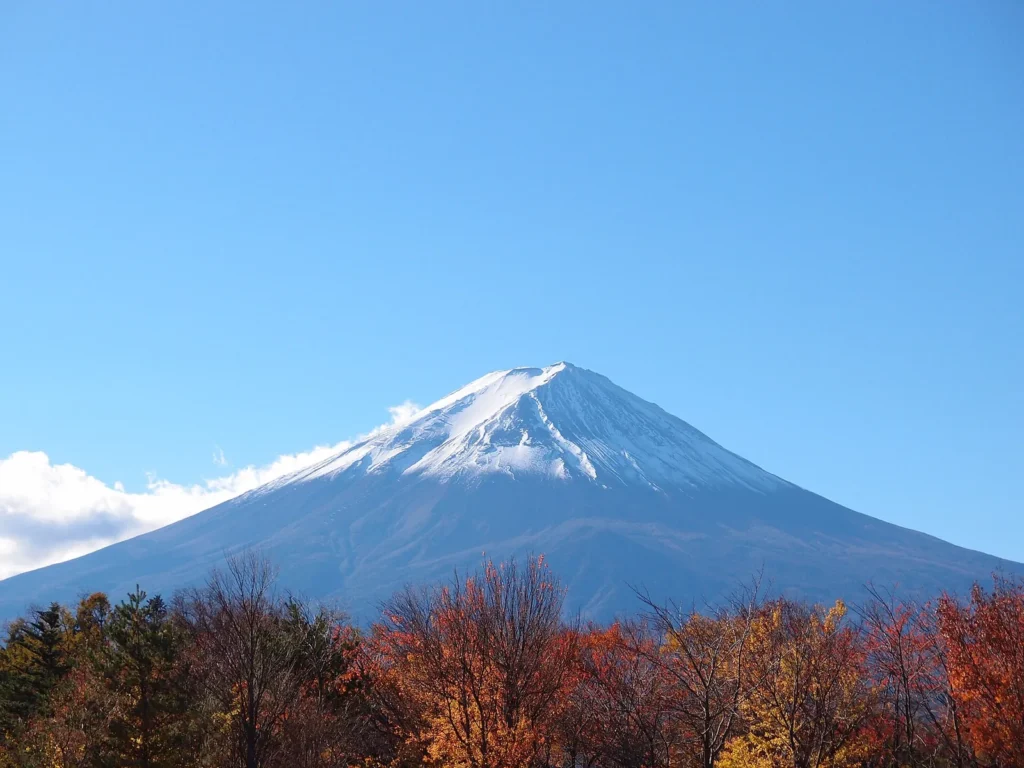
The north side of the lake gives some of the best views of Fuji in the morning. The area also has hot springs, and JNTO mentions seeing the mountain from a steaming bath at a hot spring hotel.
Other places near Fuji
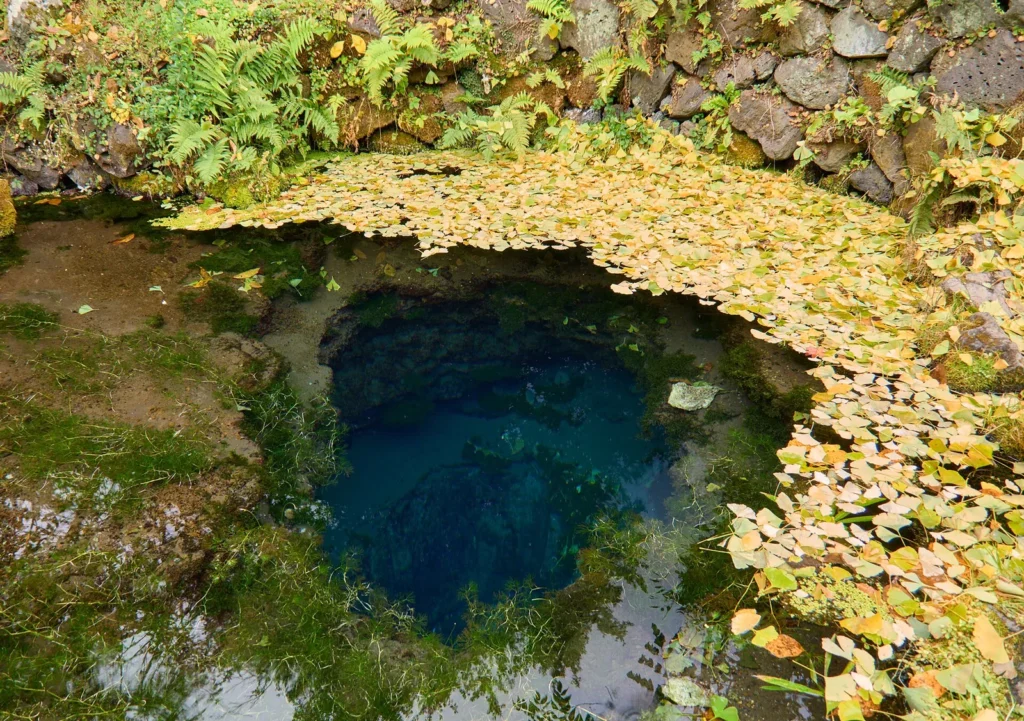
Oshino Hakkai, a set of spring ponds, is another popular stop on the Five Lakes route. The wider Fuji Five Lakes area suits a longer stay.
Can you climb Mount Fuji as a day trip?
No. The official climbing site says the season ends in September,. The Yoshida, Subashiri and Gotemba trails are closed from the 5th station to the summit during winter. Climbing outside the summer season is prohibited for climbers who are not fully prepared, and you need to submit a climbing plan. Treat a day trip as sightseeing.
Tips
- Check the weather the evening before, because Fuji is often hidden.
- Carry a layer, as it is cooler at the lake than in Tokyo.
- Buy bus tickets in advance if you can, especially at weekends.
- Keep a fixed time for the return bus.
Plan the wider trip
See our Tokyo guide, Kyoto guide, Japan itinerary for 7 days, cherry blossom season and best time to visit Japan.
FAQ
How do you get to Mount Fuji from Tokyo?
By highway bus from Shinjuku in under 2 hours, or by train via Otsuki in about 2 hours 5 minutes.
Which lake is best for a day trip?
Lake Kawaguchi, which JNTO calls the easiest to reach from Tokyo.
When are the best views?
In the morning, before haze and clouds build.
Can I climb Fuji in a day trip?
No. Climbing is allowed only in the summer season, which ends in September.
Does the JR Pass work?
Not on the Fuji Kyuko Line, according to JNTO.
Official resources: JNTO on Lake Kawaguchi and the official Mt. Fuji climbing site.
Photo credits
Featured image: Guilhem Vellut from Annecy, France / Wikimedia Commons, CC BY 2.0; By train: Seloloving / Wikimedia Commons, CC BY 4.0; A simple day plan: Ximonic (Simo Räsänen) / Wikimedia Commons, CC BY-SA 4.0; A simple day plan: Olaf2 / Wikimedia Commons, CC BY-SA 4.0; Lake Kawaguchi: Guilhem Vellut from Annecy, France / Wikimedia Commons, CC BY 2.0; Other places near Fuji: lumoplank / Wikimedia Commons, CC0; Other places near Fuji: Alpsdake / Wikimedia Commons, CC BY-SA 4.0.