
Indian passport holders need a Schengen visa for short trips to any of the 29 countries in the Schengen area, from France and Italy to Switzerland and Norway. One visa covers them all, for stays of up to 90 days in any 180-day period. The adult fee is EUR 90, the normal processing time is 15 days, and since April 2024 Indians with a good travel record can get multiple entry visas valid for two and then five years.
Know before you go
- Visa needed? Yes, for Indian passport holders visiting any Schengen country.
- Where to apply: the consulate of the country where you will spend the most time. For equal stays, the country you enter first.
- When: at least 15 days and no more than 6 months before your trip.
- Visa fee: EUR 90 for adults, EUR 45 for children aged 6 to 12. Service centres may add a charge.
- Processing time: normally 15 days, up to 45 days if more checks are needed.
- Stay: up to 90 days in any 180-day period.
- Multiple entry for Indians: a 2-year visa after two visas lawfully used in the previous 3 years, normally followed by a 5-year visa.
- Last checked: 27 October 2026 on the European Commission’s Schengen visa page and the EU Delegation to India (links under Official resources below).
In this Article
What a Schengen visa covers
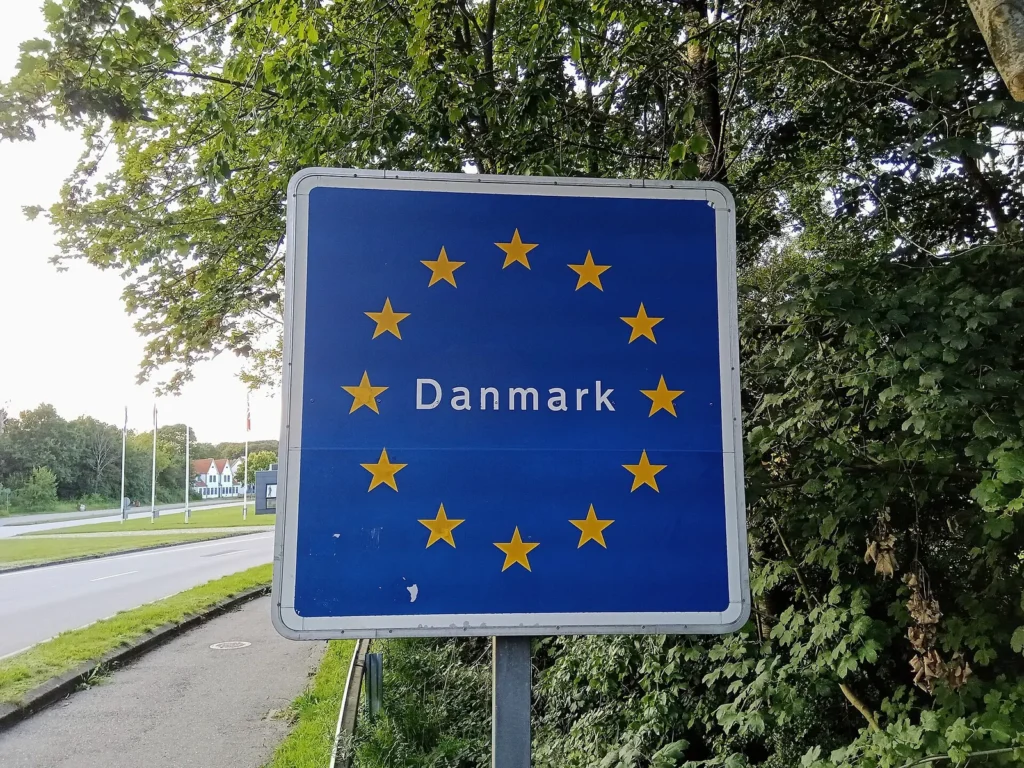
A Schengen visa is a short-stay visa for the Schengen area, a group of 29 European countries without regular passport checks between them. The EU Delegation to India lists them as Belgium, Bulgaria, Croatia, the Czech Republic, Denmark, Germany, Estonia, Greece, Spain, France, Italy, Latvia, Lithuania, Luxembourg, Hungary, Malta, the Netherlands, Austria, Poland, Portugal, Romania, Slovenia, Slovakia, Finland and Sweden, plus Iceland, Liechtenstein, Norway and Switzerland.
The European Commission describes three forms:
- single entry: one entry into the Schengen area
- multiple entry: several visits while the visa is valid
- airport transit: changing flights inside an airport’s international area, without leaving it
Whatever the form, you can stay a maximum of 90 days in any 180-day period. A Schengen visa does not give the right to work.
The UK and Ireland are not in Schengen and need separate visas. Cyprus is in the EU but not yet a full Schengen member.
Which country’s consulate to apply to
Settle this before you book anything. The Commission’s rules are:
- If you are visiting one country, apply to that country.
- If you are visiting several, apply to the country where you will spend the longest time.
- If your stays are of equal length, apply to the country you will enter first.
You apply to the consulate that covers the place where you legally live. In India, most Schengen countries take applications through outsourced visa centres, so you book an appointment with the centre that serves your city, and the consulate decides.
Your flight and hotel bookings should support your choice. If your itinerary shows six nights in Italy and three in France, apply to Italy.
When to apply
You can submit your application no earlier than 6 months before your trip and no later than 15 days before it. You may have to book an appointment first, and in busy seasons free slots can be weeks away. Start looking for an appointment as soon as your dates are fixed.
Documents for a Schengen visa

The Commission’s general list:
- A valid passport that expires at least 3 months after you leave the Schengen area. For multiple entry visas, at least 3 months after you leave the last country visited.
- A completed visa application form.
- A photo that meets ICAO standards.
- Medical insurance covering emergency medical care, hospital treatment and repatriation, including in case of death.
- Supporting documents on the purpose of your trip, your financial means, your accommodation and your intention to return home.
Your fingerprints are taken when you submit the application, with some exemptions. Consulates can ask for more documents.
Supporting documents in practice
Each country publishes its own checklist for India, and they are similar. Expect to need:
- flight reservations in and out of the Schengen area
- hotel bookings or an invitation letter for every night
- a day-by-day itinerary
- bank statements, usually for the last few months, and income tax returns
- a leave letter from your employer, or business or college documents
- a cover letter explaining the trip
Travel insurance
The EU Visa Code sets a minimum medical cover of EUR 30,000, valid in all Schengen countries for the whole trip. Buy a policy that states this cover clearly in the certificate.
Schengen visa fees
| Applicant | Fee |
|---|---|
| Adult | EUR 90 |
| Child aged 6 to 12 | EUR 45 |
| Child under 6 | free |
The Commission notes that visa service centres may charge an extra fee, and that some categories of applicants can have the visa fee waived. Centres in India usually collect fees in rupees, so check the centre page for the amount on the day you pay.
Processing time
The normal processing time is 15 days. It can be extended to up to 45 days if the consulate needs a more detailed examination or extra documents. If you are refused, you are told why and how to appeal.
Multiple entry visas for Indians: the cascade
On 18 April 2024, the European Commission adopted special rules for Indian nationals who live in India and apply there. The EU Delegation to India explains the “cascade”:
- After you have obtained and lawfully used two Schengen visas within the previous three years, you can be issued a multiple entry visa valid for two years.
- The two-year visa will normally be followed by a five-year visa, if your passport has enough validity left.
- While these visas are valid, holders have travel rights similar to visa-free travellers.
Lawful use means keeping to the 90/180 rule and the conditions of each visa. Consulates still decide each case.
The Entry/Exit System at the border

The EU’s Entry/Exit System (EES) records non-EU travellers on short stays when they cross the Schengen external border. It began a phased rollout on 12 October 2025, and the Commission announced it as fully operational in April 2026. It registers your passport data, the date and place of entry and exit, and biometrics. Since a visa holder’s fingerprints are already in the Visa Information System, Indian visa holders mainly see the digital record replace the passport stamp.
The separate ETIAS travel authorisation is for visa-exempt travellers, so it does not apply to Indians who hold a Schengen visa.
Tips for a smoother application

- Book refundable or reservation-only flights and hotels until the visa is issued.
- Keep the itinerary consistent across bookings, insurance dates and the form.
- Show a clear reason to return: a job, a business, studies or family ties.
- Explain any large, recent deposits in your bank statement in the cover letter.
- Take printouts as well as originals; centres often want both.
Planning the trip

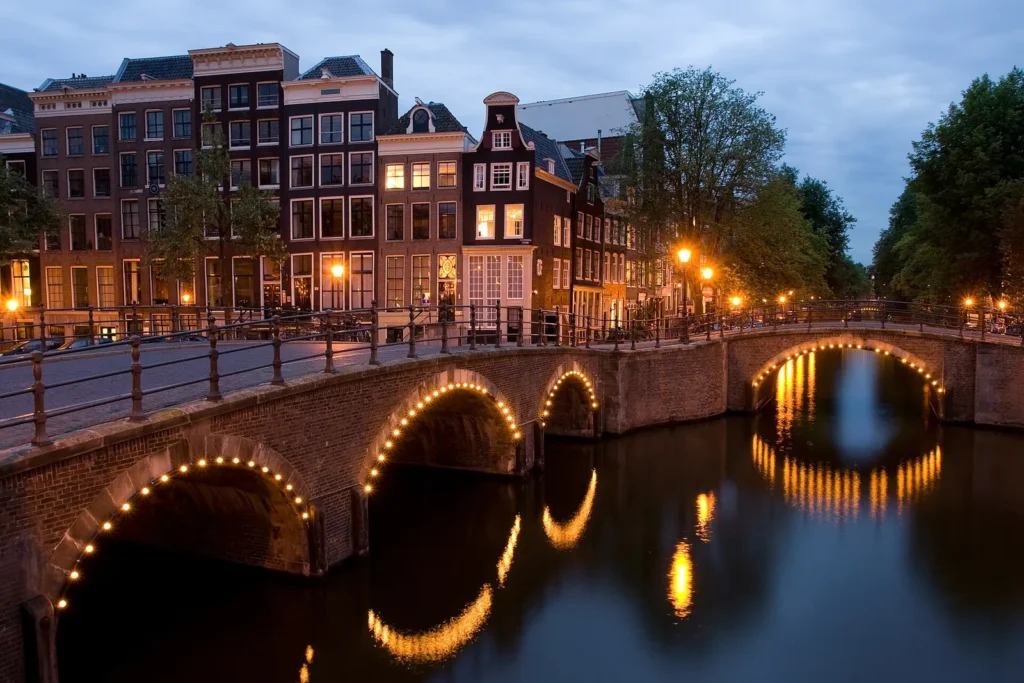
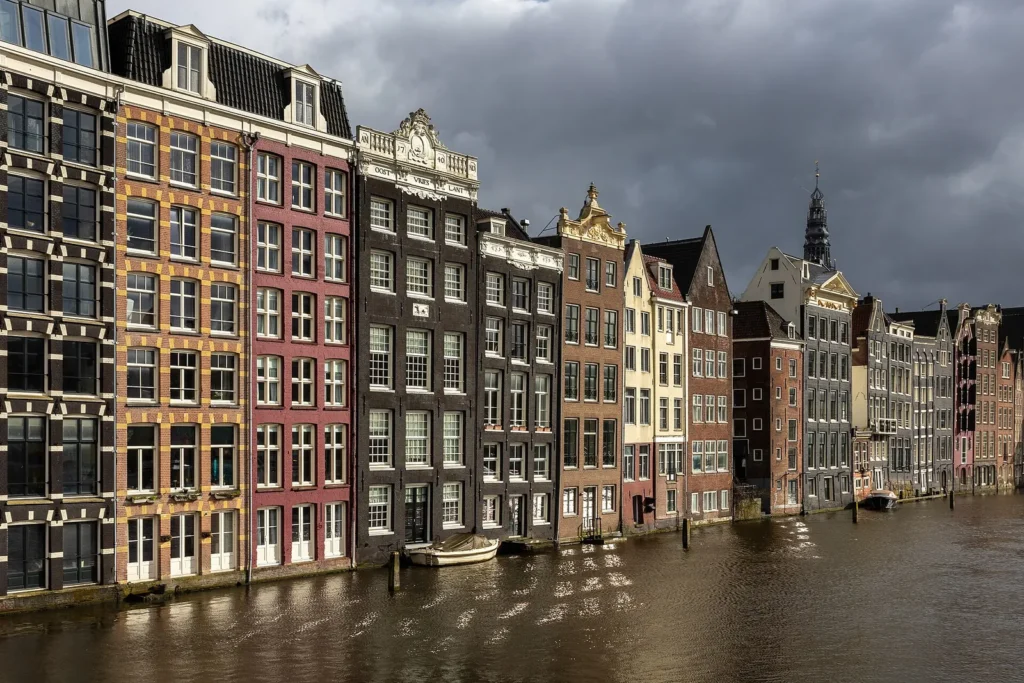
With a Schengen visa, a single trip can take in several countries by train or short flight. Paris, Rome and Amsterdam all have large international airports with flights from India.


If your trip includes the Gulf on the way, see our Dubai visa guide for Indians. For Asia, we also cover the Japan visa and the Thailand visa.
Schengen visa for Indians FAQs
What is the Schengen visa fee for Indians?
EUR 90 for adults and EUR 45 for children aged 6 to 12. Children under 6 are exempt. Visa centres add a service charge.
How long does a Schengen visa take?
Normally 15 days from the application, up to 45 days if more checks are needed.
Which country should I apply to?
The country where you will spend the most time. If your stays are equal, the country you will enter first.
How early can I apply?
Up to 6 months before your trip, and at least 15 days before it.
Can Indians get a 5-year Schengen visa?
Yes, under the 2024 cascade rules. After two visas lawfully used in three years, you can get a 2-year visa, normally followed by a 5-year visa if your passport is valid long enough.
What insurance do I need?
Medical cover of at least EUR 30,000, valid across the Schengen area, covering emergency treatment, hospital care and repatriation.
Official resources: European Commission: applying for a Schengen visa; EU Delegation to India: more favourable Schengen visa rules for Indians; European Commission: EES fully operational; EUR-Lex: EU Visa Code, Regulation 810/2009.
Photo credits
Featured image: Tristan Nitot / Wikimedia Commons, CC BY-SA 3.0; What a Schengen visa covers: Rémih / Wikimedia Commons, CC BY-SA 4.0; Documents for a Schengen visa: Donald24 / Wikimedia Commons, CC0; The Entry/Exit System at the border: Phrasenmäher / Wikimedia Commons, CC BY-SA 4.0; Tips for a smoother application: Superalbs / Wikimedia Commons, CC BY-SA 4.0; Planning the trip: Ank Kumar / Wikimedia Commons, CC BY-SA 4.0; Planning the trip: Diliff / Wikimedia Commons, CC BY-SA 2.5; Planning the trip: Wilfredor / Wikimedia Commons, CC0; Planning the trip: Massimo Catarinella / Wikimedia Commons, CC BY-SA 3.0; Planning the trip: Basile Morin / Wikimedia Commons, CC BY-SA 4.0.