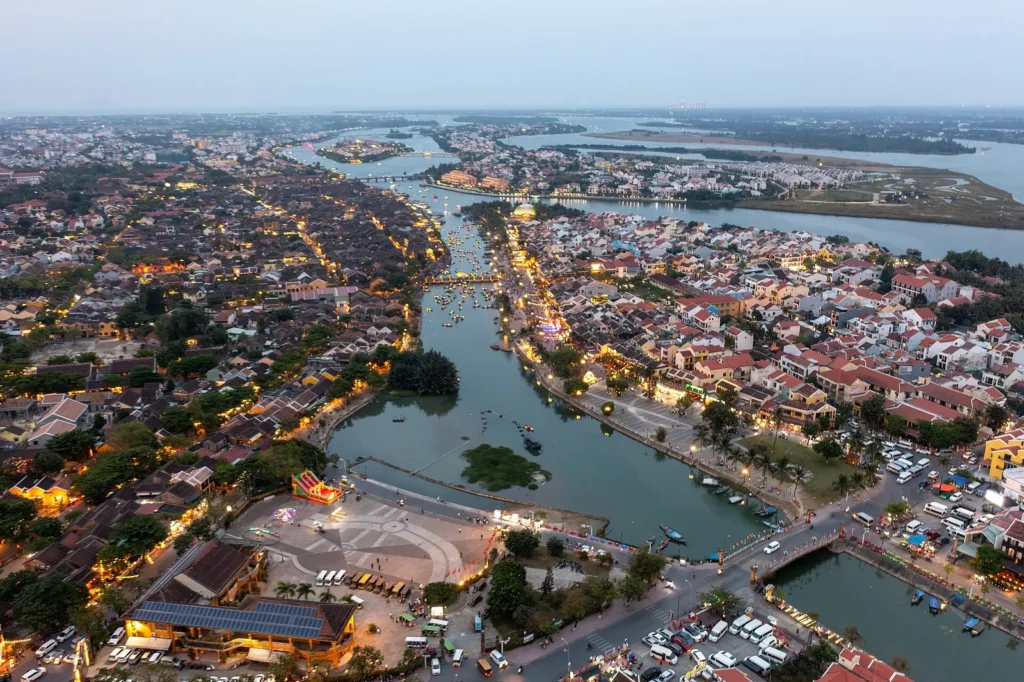
Hoi An is a small river town on Vietnam’s central coast, about 30 km south of Da Nang by guide reports. The main things to do are walking the Ancient Town, crossing the Japanese Covered Bridge, watching the lanterns come on at dusk, cycling out to the rice and vegetable villages, spending an afternoon at An Bang beach and taking a day trip to the My Son temples. Entry to the Ancient Town is by an official ticket, which works in a particular way, so this page starts there.
Know before you go
- Ancient Town ticket: 120,000 VND, bought before you enter, per the heritage centre.
- The ticket covers: the town plus 5 visits (one of the Japanese Covered Bridge or Quan Cong Temple, one museum and three other sites of your choice).
- Pedestrian streets: from 9:00 to 21:30 in summer, 9:00 to 21:00 in winter.
- Tea ceremony: at 9:30 and 16:30 daily at the Japanese Culture Gallery.
- Keep the stub: it may be needed to re-enter.
- Last checked: 17 November 2026.
In this guide
How the Ancient Town ticket works
The Hoi An Centre for the Conservation of World Cultural Heritage asks visitors to buy an entrance ticket before entering the Ancient Town, at 120,000 VND. The ticket lets you walk the general area and visit one historic site (either the Japanese Covered Bridge or Quan Cong Temple), one museum and three other cultural heritage sites of your choice. Pick the sites at the door.
The centre also asks you to keep the stub, since it may be needed to re-enter the town. Groups of eight or more can get a free guide, according to the same page. The sale points and the exact list of sites can change, so check the heritage centre’s page before you go.
Japanese Covered Bridge and the old streets
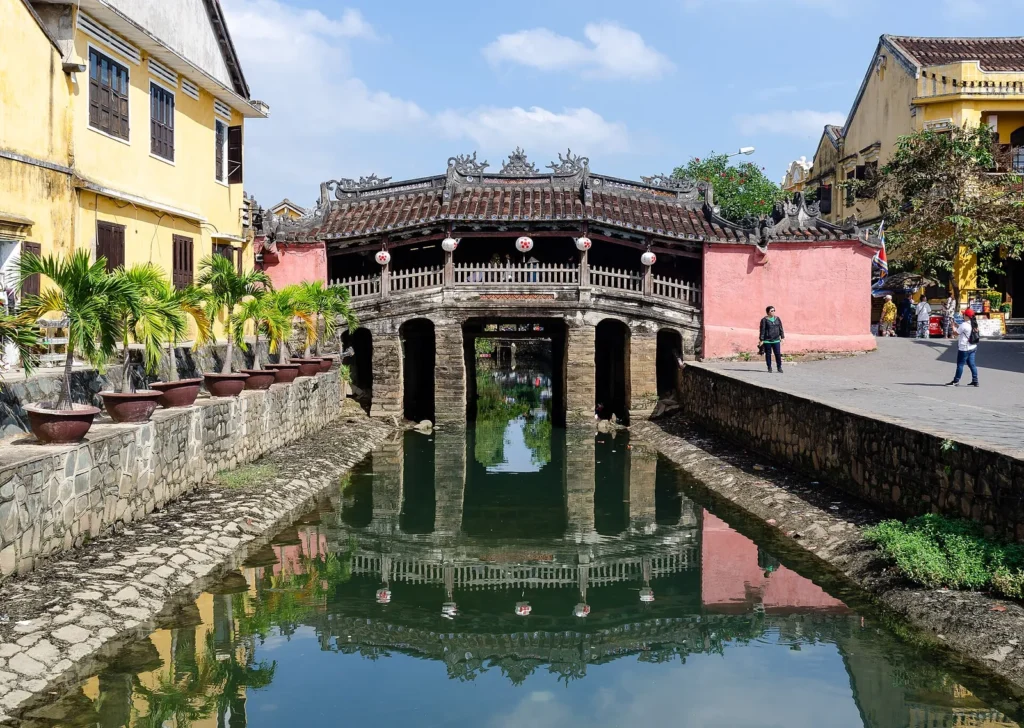
The Japanese Covered Bridge is the symbol of the town and counts as one of your ticket’s required visits (the other is Quan Cong Temple). Guides suggest going early, around 6:00 to 7:30 am, or after dusk when the crowds are smaller.
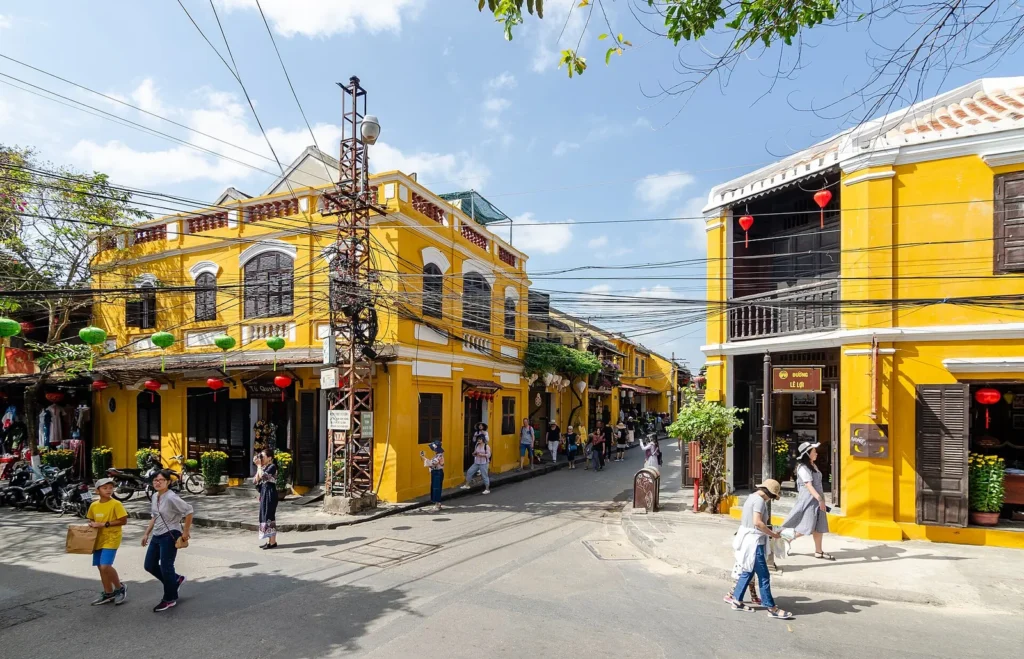
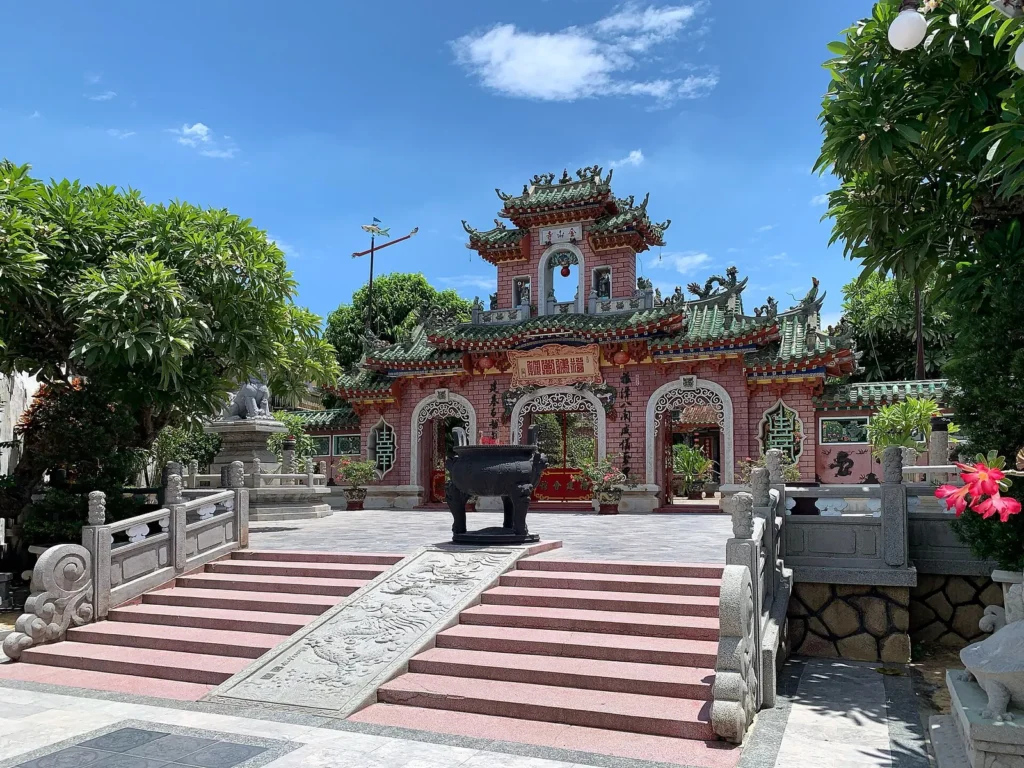
The old streets are best on foot. The heritage centre lists pedestrian hours in the Ancient Town from 9:00 to 21:30 in summer and 9:00 to 21:00 in winter, with Phan Chau Trinh street closed to vehicles from 17:30. Assembly halls built by Chinese merchant communities, such as the Fujian Assembly Hall, are among the sites you can choose for your ticket.
Lanterns and the river at dusk
After dark the town changes. Silk lanterns light the shopfronts, and boats with lanterns run on the Thu Bon River. Guides report a full moon lantern night each month, when the streets are quieter for traffic and busier with people. We have not listed the date, since it moves with the lunar calendar. Check a local calendar when you book.

Culture and heritage activities
The centre lists a Japanese tea ceremony at the Japanese Culture Gallery at 9:30 and 16:30 every day, and “Night Streets” activities such as folk games and music in the evening. These are separate from the ticket sites, so ask at the gallery about how to join.
An Bang beach
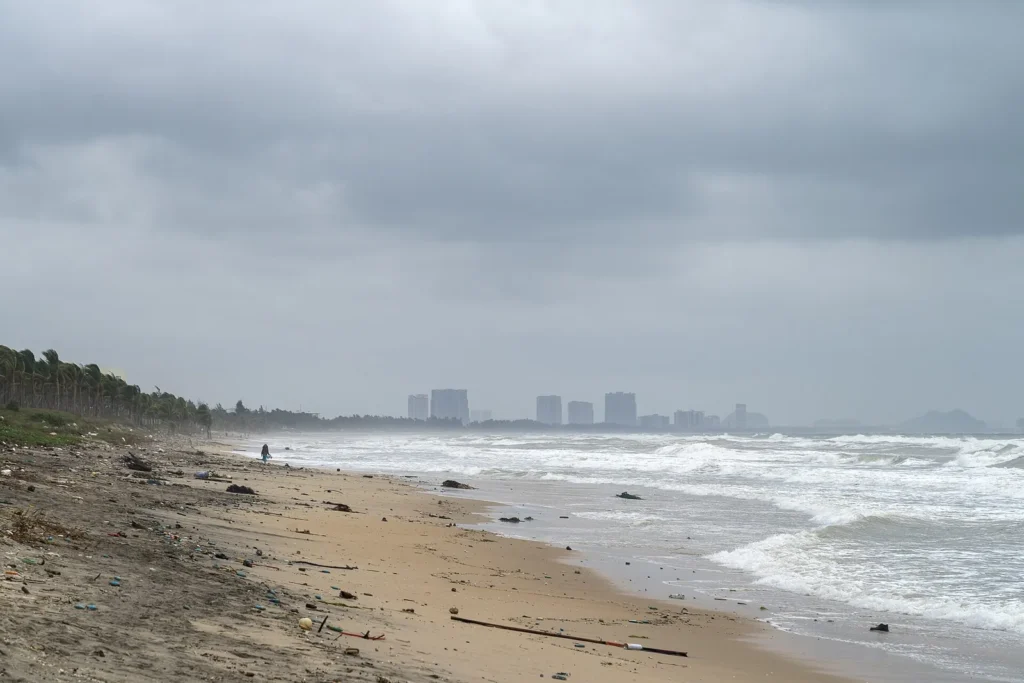
Guides describe An Bang as the usual beach for a half day, about 15 to 20 minutes by bike from town. It works best in the late afternoon for the sunset. Check the sea conditions and flags before swimming, since they change with the season.
A day on two wheels
Hoi An is flat, so cycling suits it. One common loop reported by guides is to ride about 3 km to Tra Que vegetable village for a farm or cooking visit, then carry on to the beach. Start early and avoid the middle of the day in the hot months.
My Son Sanctuary
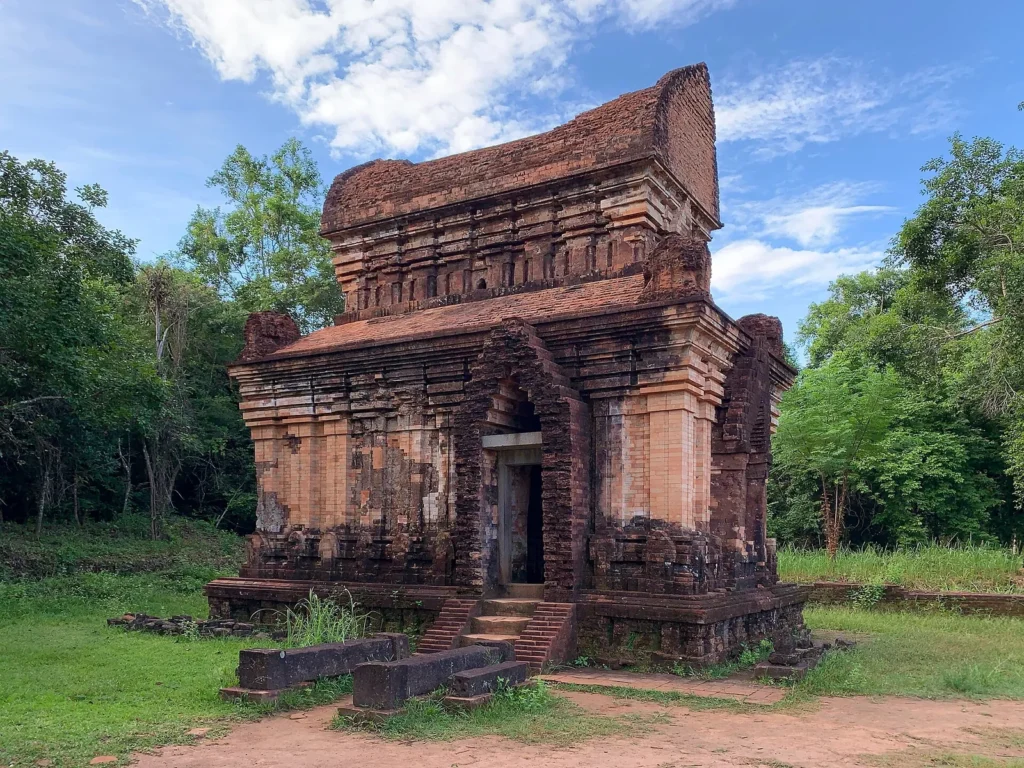
My Son is a group of Cham temple ruins about 40 km inland, around an hour by car. It is a UNESCO World Heritage site. Go in the morning to beat the heat and the tour groups, and bring water and a hat.
Plan the trip
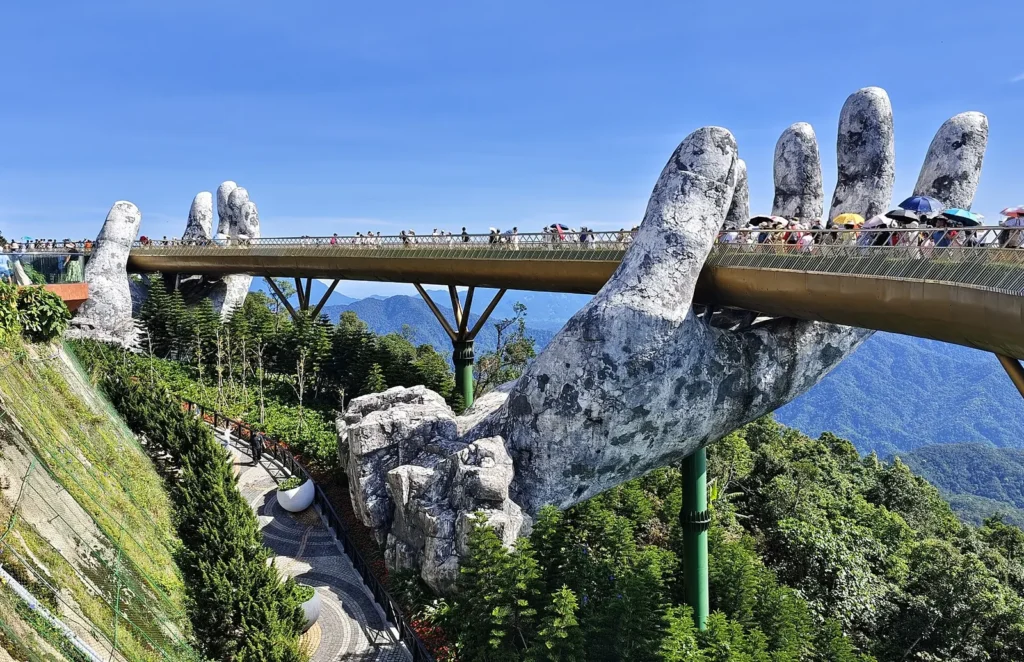
Hoi An usually sits in the middle of a longer route. For the full plan, see our Vietnam 10 day itinerary. Read best time to visit Vietnam for the season and Vietnam visa for Indians for entry rules. For the budget, see the Vietnam trip cost from India guide. Nearby on the same coast is Ba Na Hills and the Golden Bridge, and in the north there are things to do in Hanoi and the Ha Long Bay cruise.
FAQ
Do you need a ticket for Hoi An Ancient Town?
Yes. The heritage centre asks visitors to buy the 120,000 VND ticket before entering the Ancient Town.
What does the ticket include?
The town plus one of the Japanese Covered Bridge or Quan Cong Temple, one museum and three other sites you choose.
How far is Hoi An from Da Nang?
About 30 km, roughly 40 to 50 minutes by car, according to guides.
How long do you need in Hoi An?
Two full days covers the town, a bike ride, the beach and a half day at My Son.
Is Hoi An walkable?
The Ancient Town is, and the heritage centre sets pedestrian hours in the streets.
Official resources: Hoi An Centre for the Conservation of World Cultural Heritage, tourism information.
Photo credits
Featured image: Steffen Schmitz (more photos) / Wikimedia Commons, CC BY-SA 4.0; Japanese Covered Bridge and the old streets: Steffen Schmitz (more photos) / Wikimedia Commons, CC BY-SA 4.0; Japanese Covered Bridge and the old streets: Chainwit. / Wikimedia Commons, CC BY 4.0; Lanterns and the river at dusk: DEBA PRASAD ROY / Wikimedia Commons, CC0; Lanterns and the river at dusk: Omar David Sandoval Sida / Wikimedia Commons, CC BY-SA 4.0; An Bang beach: Alexkom000 / Wikimedia Commons, CC BY 4.0; My Son Sanctuary: Chainwit. / Wikimedia Commons, CC BY 4.0.