You can eat well as a vegetarian in Japan, but you need to be specific. Many dishes that look meatless use fish stock, called dashi, or small amounts of fish and meat. This guide follows the Japan National Tourism Organization’s vegetarian and vegan guide and adds practical steps to order with confidence. The JNTO page may be out of date in places, so confirm details when you eat out.
Know before you go
- Biggest trap: dashi, a fish stock used in soups, sauces and noodles.
- Easy wins: shojin ryori, tofu dishes, vegetable tempura and konbini onigiri.
- Order tip: say no meat, fish, chicken, pork or stocks, and carry a written card in Japanese.
- Look for: vegan or vegetarian stickers on restaurant doors.
- Last checked: 6 November 2026.
In this guide
How to order
JNTO says “vegetarian” is an import word that is widely understood but can mean something looser than it does in English. Its advice:
- Be specific about what you cannot eat: meat, seafood and animal products, including dashi or stocks.
- Say that no meat includes chicken, pork and fish. A reluctant answer can just mean the staff did not understand.
- Print a card in Japanese that lists your dietary needs.
- Choose restaurants with photo menus, but still check the base ingredients.
- Tell the restaurant in advance when you book, especially for set menus.
- Use a translation app.
Many veggie restaurants now display an official sticker from the Japan Vegan Society, VegeProject Japan or the Japan Vegetarian Association.
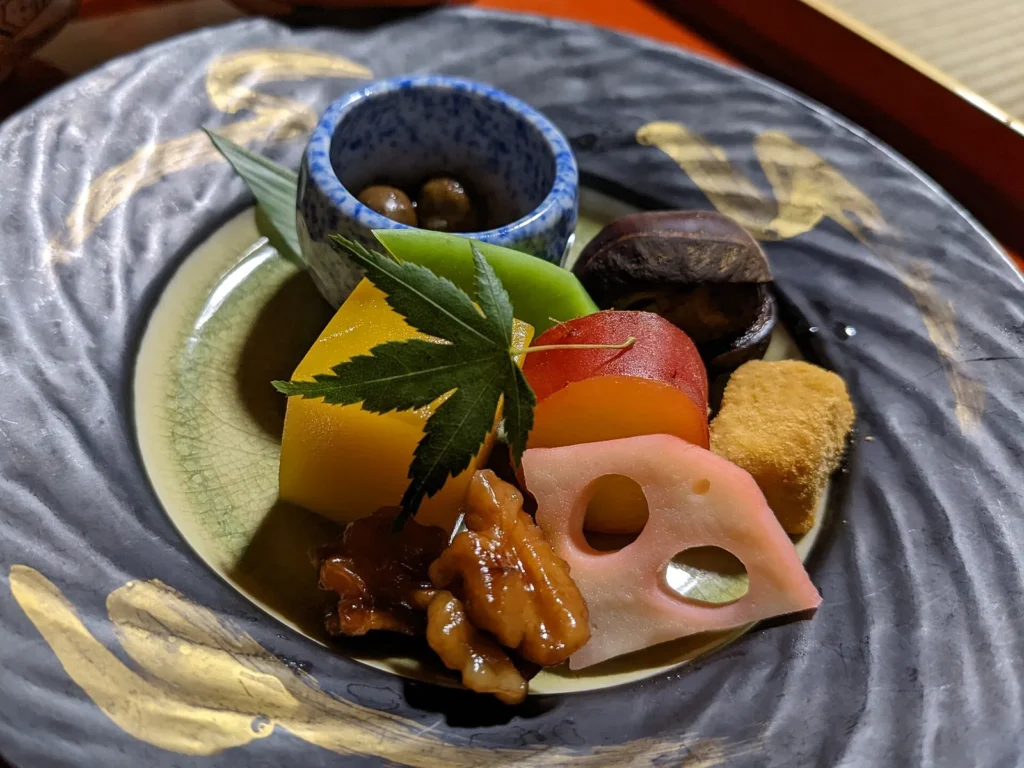
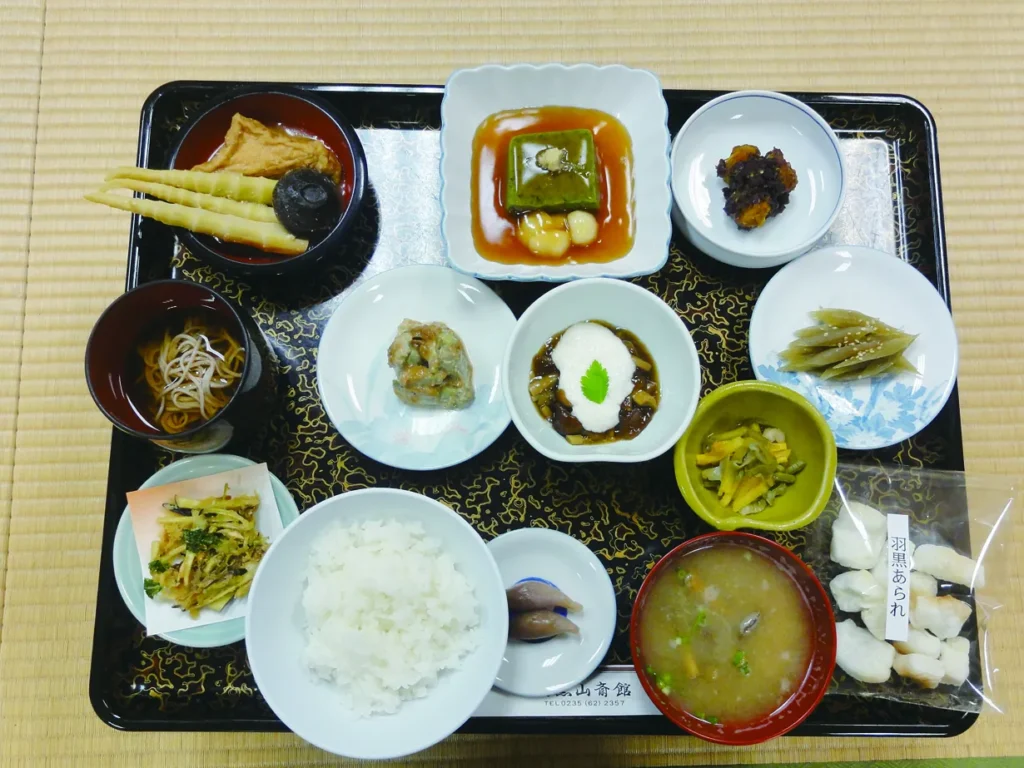
Shojin ryori
Shojin ryori is Buddhist temple cuisine. JNTO says it is traditionally vegan and leaves out pungent flavours such as garlic and onion, but modern monks do not consider dairy harmful to animals, so dairy is sometimes used. Check ahead to avoid surprises. You can eat it at temple lodgings and some restaurants.

Dishes to try
JNTO suggests these:
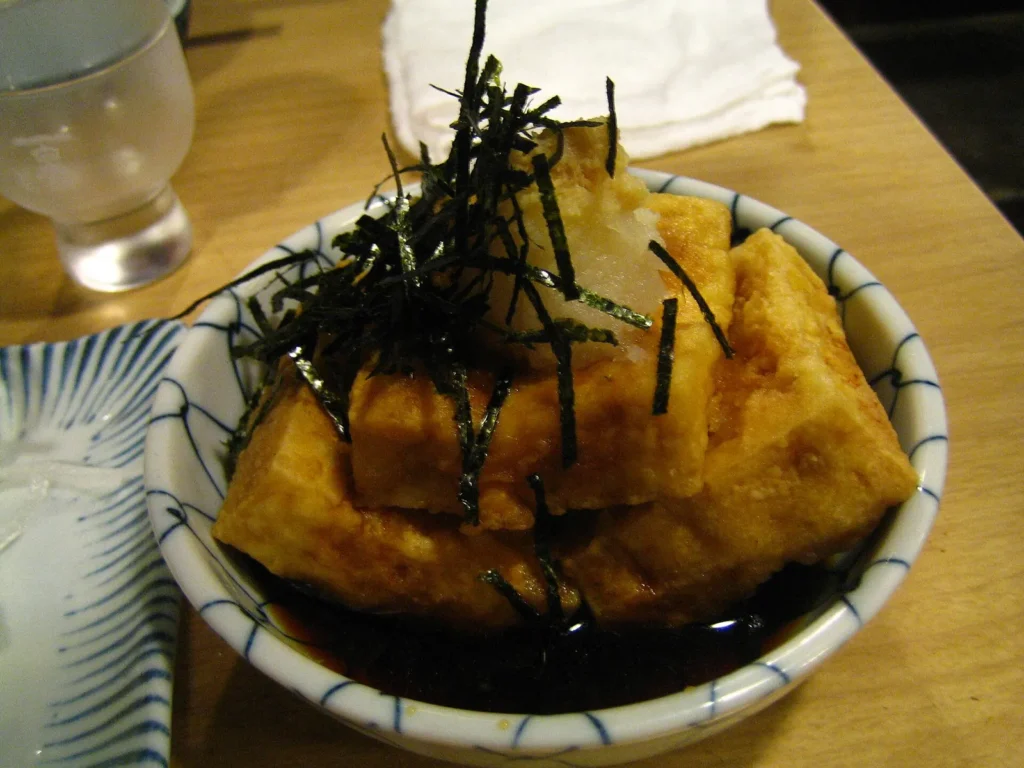
- Vegetable tempura.
- Tsukemono, pickled vegetables.
- Tofu and tofu skin.
- Nasu dengaku, grilled eggplant with miso.
- Zaru soba, chilled buckwheat noodles. Check the dipping sauce, since it is often made with dashi.
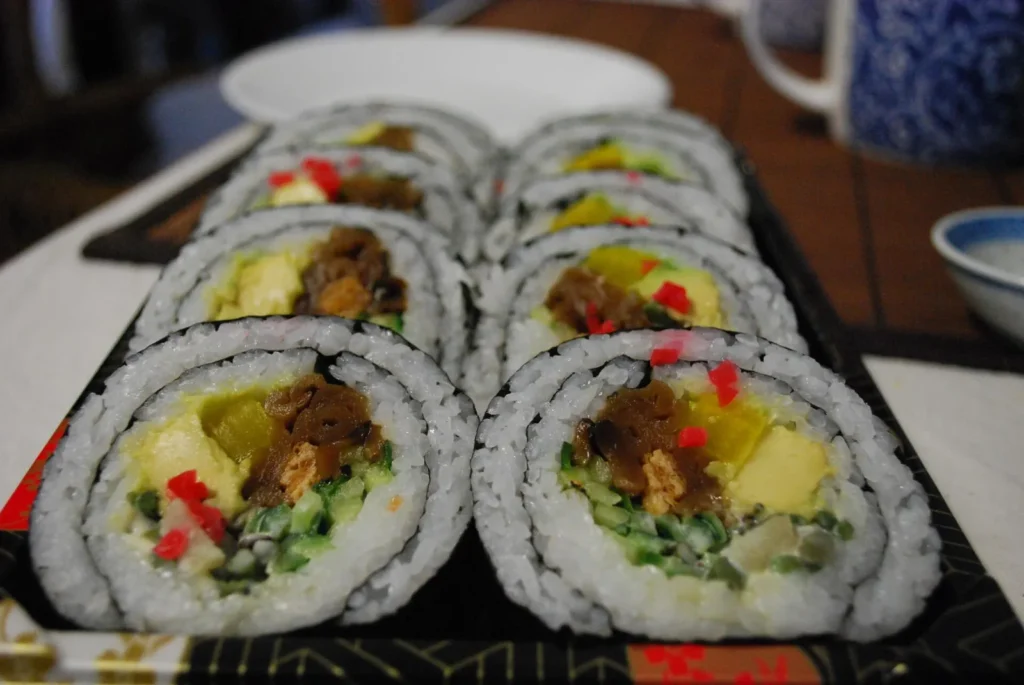
- Kappa maki, cucumber sushi rolls, and takuan maki, daikon sushi rolls.
- Okonomiyaki, the savoury pancake, if you can find a vegetarian version. It is vegetarian but not vegan because of egg.
Convenience stores
JNTO calls konbini, or convenience stores, a goldmine of veggie snacks.
- Onigiri rice balls are in the fridge. Many have fish, but look for umeboshi (pickled plum) and kombu (kelp).
- Natto comes in ready to eat packs, but the sauce is often dashi.
- Edamame, packaged beans, simple salads and inarizushi, rice in a tofu pocket, also work.
- Vegetarians who eat eggs and dairy have more choices, such as cheese strings, quail eggs and pastries.
JNTO suggests carrying your own soy sauce for a fish free flavour when only basics are available.
Outside the big cities
In rural Japan, JNTO suggests staying in a ryokan and contacting it ahead with your dietary needs. Some are proud of their vegetarian cooking. In cities, the portals Happy Cow, Vegewel and Japan VegeMap list veggie restaurants.
Staying safe with hidden ingredients
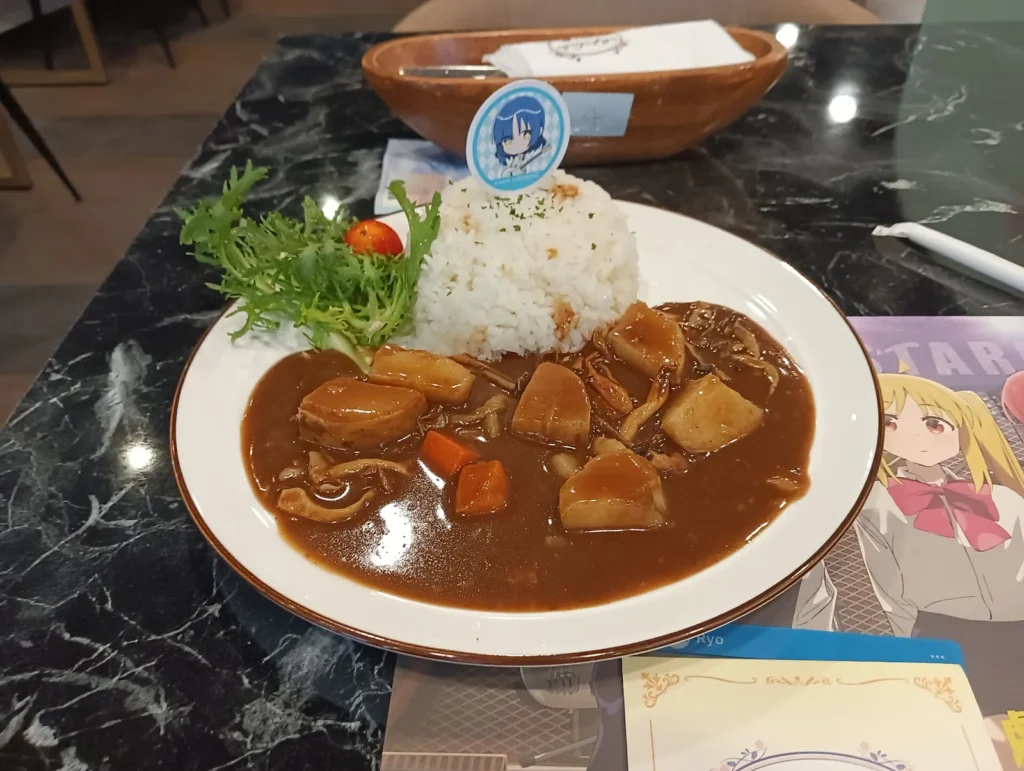
Miso soup, udon and soba broth, ramen, many sauces and some rice dishes may contain fish stock or meat. Ask about the base in each case. If you are strict, ask for plain preparations or choose shojin ryori and dishes you can see being made.

Plan the trip
See our guides to Tokyo, Kyoto, Osaka, the Japan 7 day itinerary, Japan trip cost and the Japan visa guide.
FAQ
Is Japan good for vegetarians?
It is workable, with planning. You must ask about dashi and other hidden ingredients.
What is dashi?
A stock, often made from fish, used in many soups and sauces.
What is shojin ryori?
Buddhist temple cuisine that is traditionally vegan and without garlic and onion.
Can I eat at convenience stores?
Yes. Look for umeboshi or kombu onigiri, edamame and inarizushi.
How do I find vegetarian restaurants?
Look for vegan stickers and use portals such as Happy Cow or Japan VegeMap.
Official resources: JNTO vegetarian and vegan guide.
Photo credits
Featured image: Jpatokal / Wikimedia Commons, CC BY-SA 4.0; Shojin ryori: Mimissu / Wikimedia Commons, CC BY-SA 4.0; Shojin ryori: Andrea Schaffer from Sydney, Australia / Wikimedia Commons, CC BY 2.0; Dishes to try: ayustety from Kanda, Tokyo / Wikimedia Commons, CC BY-SA 2.0; Dishes to try: Alpha / Wikimedia Commons, CC BY-SA 2.0; Outside the big cities: Allervous / Wikimedia Commons, CC BY-SA 4.0; Staying safe with hidden ingredients: Joi Ito from Inbamura, Japan / Wikimedia Commons, CC BY 2.0.