
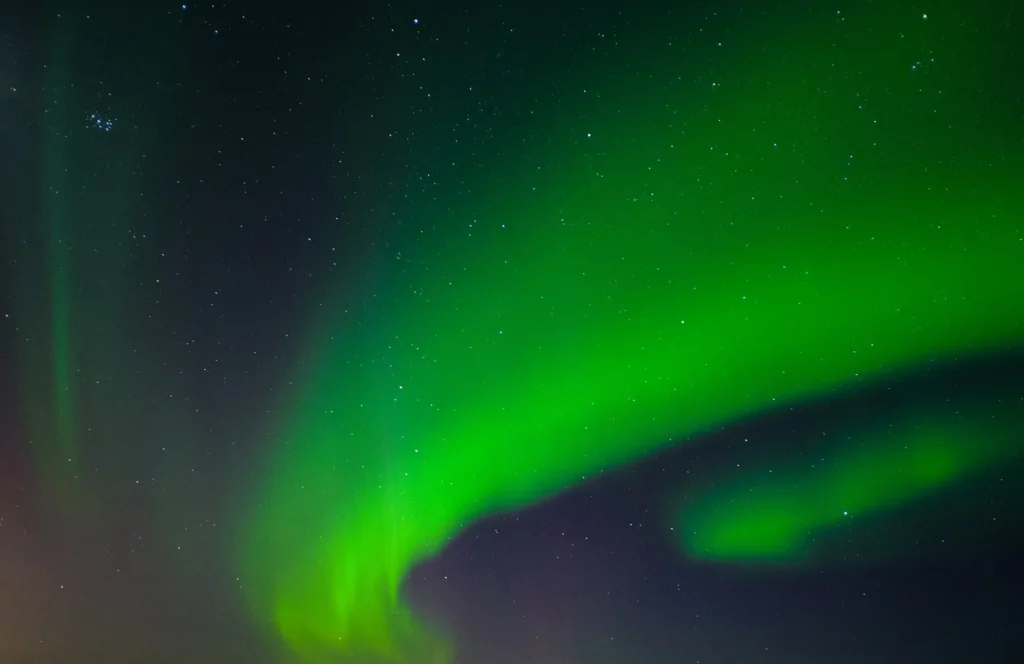
The northern lights in Iceland are a winter, dark-sky event, not a summer one. You need hours of darkness, reasonably clear skies, and some luck. Official tourism treats the darker months, roughly from autumn into early spring, as the usual window, but there is no guaranteed night, and we have not quoted a single official start and end date from a page read in full for this post. Confirm the current advice on visiticeland.com before you book around a specific week.
Iceland is in the Schengen area. Indian travellers should start with our Schengen visa guide.
Know before you go
- What you need: darkness, a clear enough sky, and patience. There is no guaranteed display.
- Usual window: the darker months, roughly autumn to early spring. Confirm official dates on Visit Iceland.
- Reykjavik: easier as a base, but city lights reduce what you see. A short trip out of town helps.
- Tours: priced by private operators; we have not listed those rates.
- Last checked: 22 November 2026 (general official guidance only).
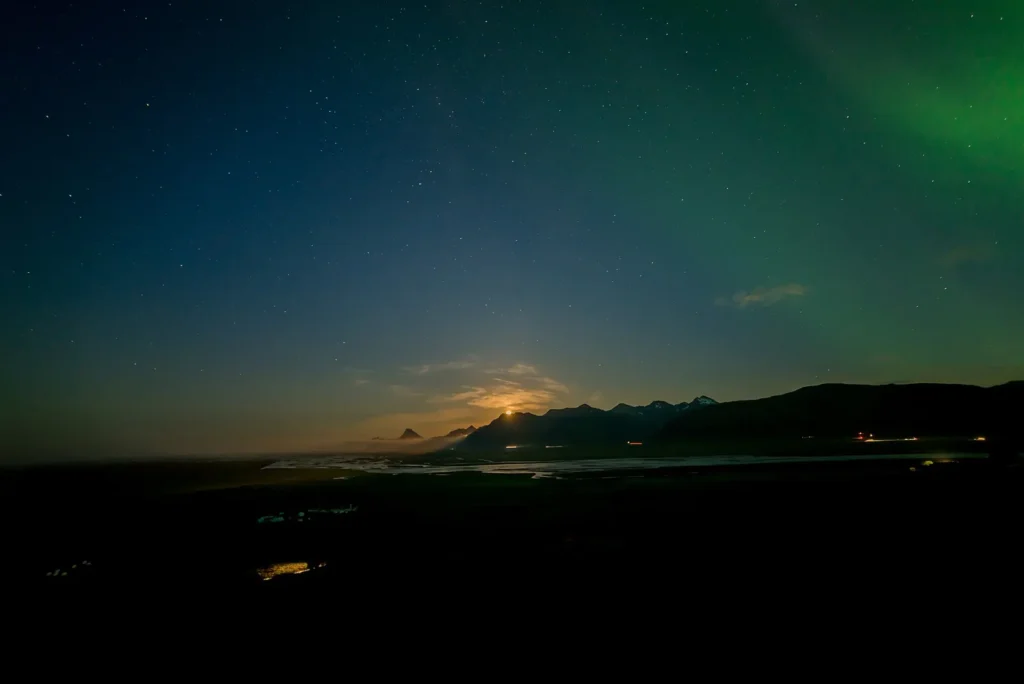
In this guide
When to go
The lights are there in the sky in other months too, but you will not see them in bright summer nights. The practical season is the period when Iceland has long hours of darkness. That is why most visitors come between autumn and early spring. September and March can work because the nights are already dark, and the roads are often easier than in mid-winter, but weather still decides the week.
A forecast of cloud is more useful than a calendar. If your dates are fixed, leave several nights free rather than one.
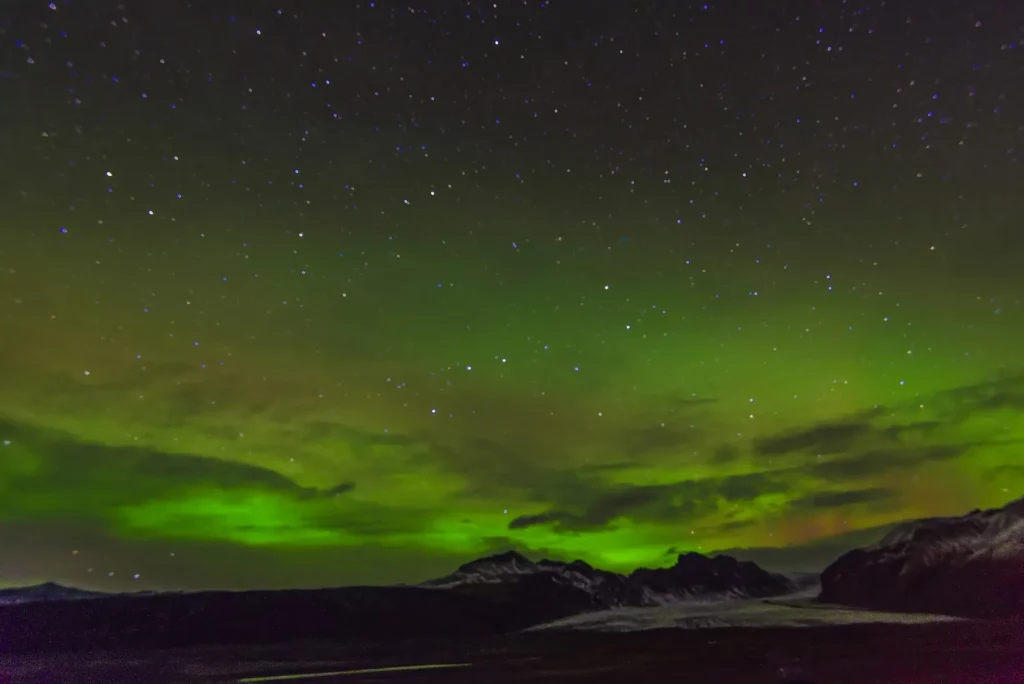
Where to watch
You can sometimes see a display from Reykjavik, especially on a strong night, but street lighting gets in the way. A short drive or a tour into the darker countryside, or a stay in a smaller town, gives you a better chance. Official nature sites such as Thingvellir are darker than the capital, but they also have winter road and opening considerations of their own; check official pages in winter.
Do not stand on unlit roads, and do not walk onto ice without local advice.
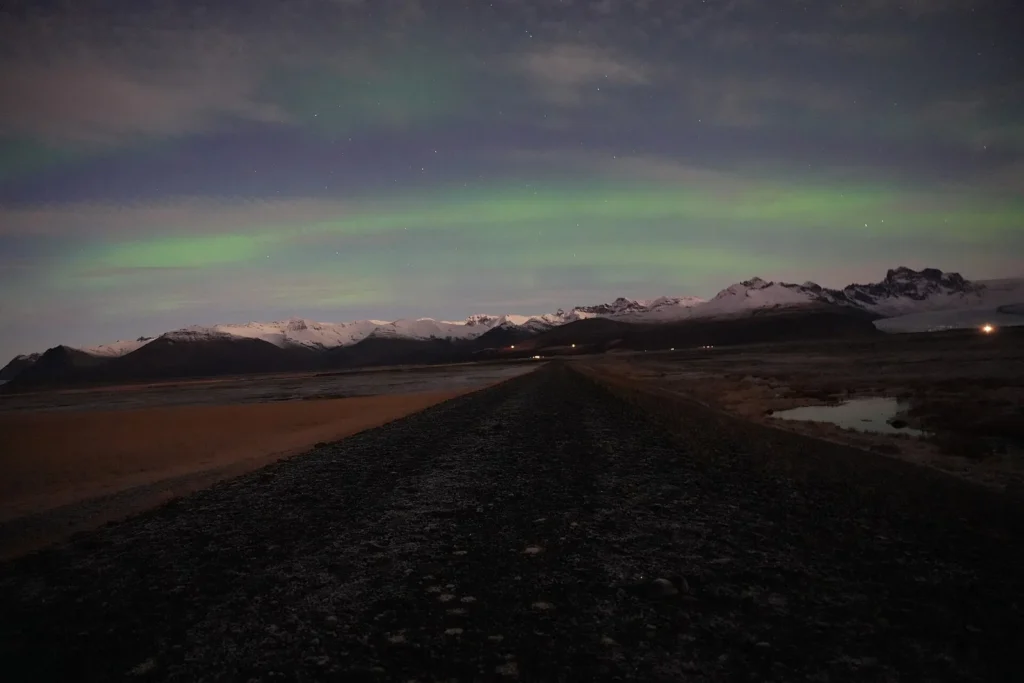
Tours and self-driving
Coach and small-group northern-lights tours leave Reykjavik on most winter nights, with cancellations or free rebookings when the sky is hopeless. Those are operator policies, not official government tickets, and prices change, so we have not listed them. If you drive yourself, you need a car that can handle winter roads and a willingness to turn back. Fuel, parking and spotting-site facilities vary; none of those prices are listed here.
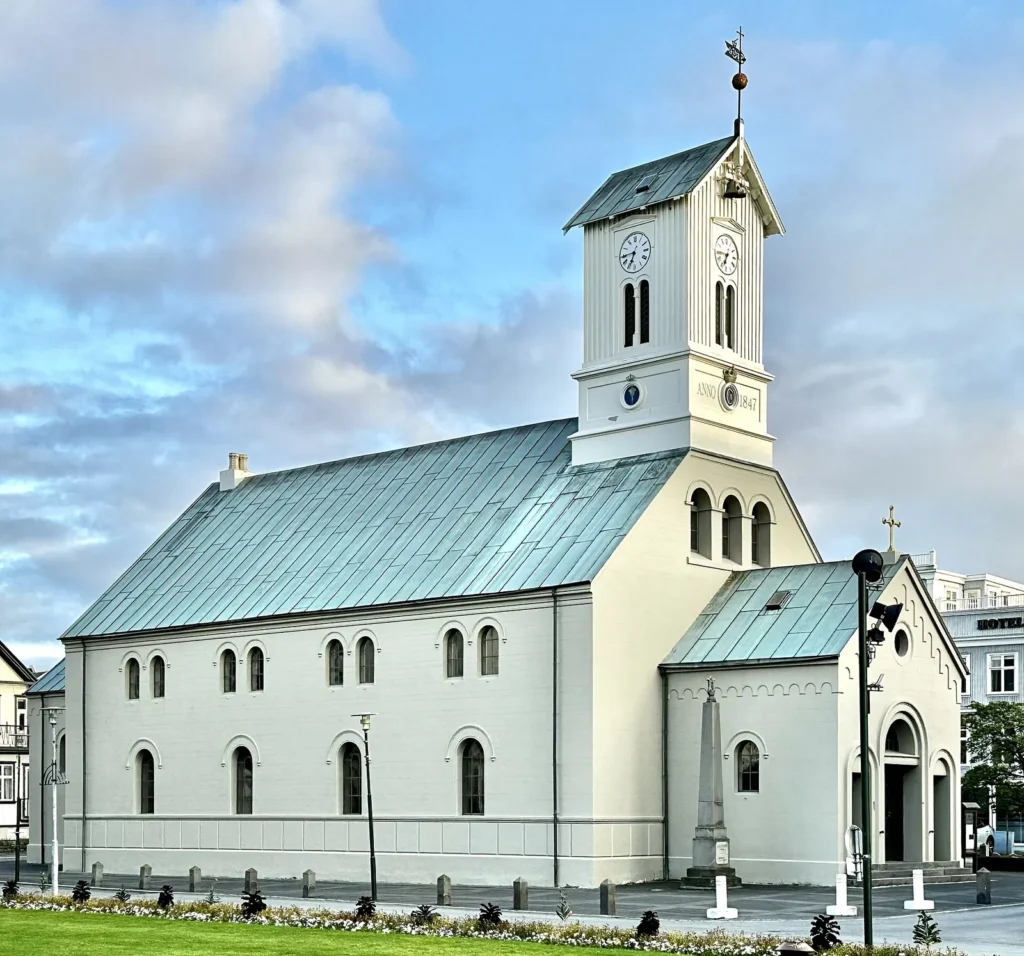
Planning the rest of the trip
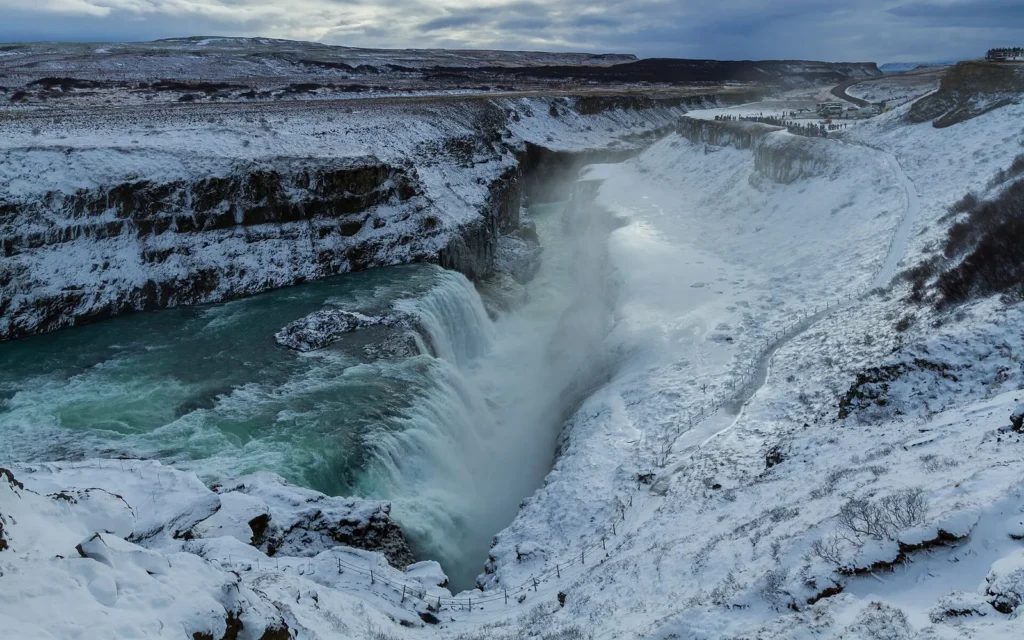
Most people combine the lights with a few daylight days around the Golden Circle or the south coast. Those sights have their own official hours in winter, which close earlier than in summer. For a wider European plan, see our Europe itinerary for 10 days and Europe trip cost from India.
FAQ
When is the best time to see the northern lights in Iceland?
In the dark months, roughly from autumn to early spring. Confirm the current official advice, and leave more than one night in the plan.
Can I see the northern lights in Reykjavik?
Sometimes, on a strong, clear night. You will usually see more if you get away from the city’s lights.
Are northern-lights tours worth it?
They are useful if you do not want to drive in winter weather. They are not a guarantee. Compare cancellation rules on the operator’s own site.
Can I see the lights in June or July?
In practice, no, because the nights are too bright.
Official resources: Visit Iceland. Recheck that site for current seasonal advice before you book around a specific week.
Photo credits
Featured image: Marco Ottobelli / Wikimedia Commons, CC BY-SA 4.0; When to go: Francisco Diez from Toronto, Canada / Wikimedia Commons, CC BY 2.0; Where to watch: Tetiana Stepanets / Wikimedia Commons, CC BY-SA 4.0; Tours and self-driving: APK / Wikimedia Commons, CC BY-SA 4.0; Planning the rest of the trip: Carl Young / Wikimedia Commons, CC BY-SA 4.0; Can I see the lights in June or July?: Pierre-Selim Huard / Wikimedia Commons, CC BY 4.0.

