
A first visit to Munich usually centres on Marienplatz, a look at the Frauenkirche, a walk in the English Garden, and, if you have a second afternoon, Nymphenburg Palace. Ticket prices and current opening hours for the palace and the church towers were not read from official shops on 22 November 2026, so this page names the sights and leaves the rates to those sites.
Germany is in the Schengen area, so Indian travellers should start with our Schengen visa guide. For a multi-city route, see the Europe itinerary for 10 days.
Know before you go
- Time needed: two days for the centre and a palace or a longer park walk.
- Book ahead: Nymphenburg interiors in busy months, on the official palace page.
- Prices and hours: not listed here; check official pages for your date.
- Getting around: the centre is walkable; the U-Bahn and trams cover the rest. Fares are not listed.
- Last checked: 22 November 2026 (sights only).
In this guide
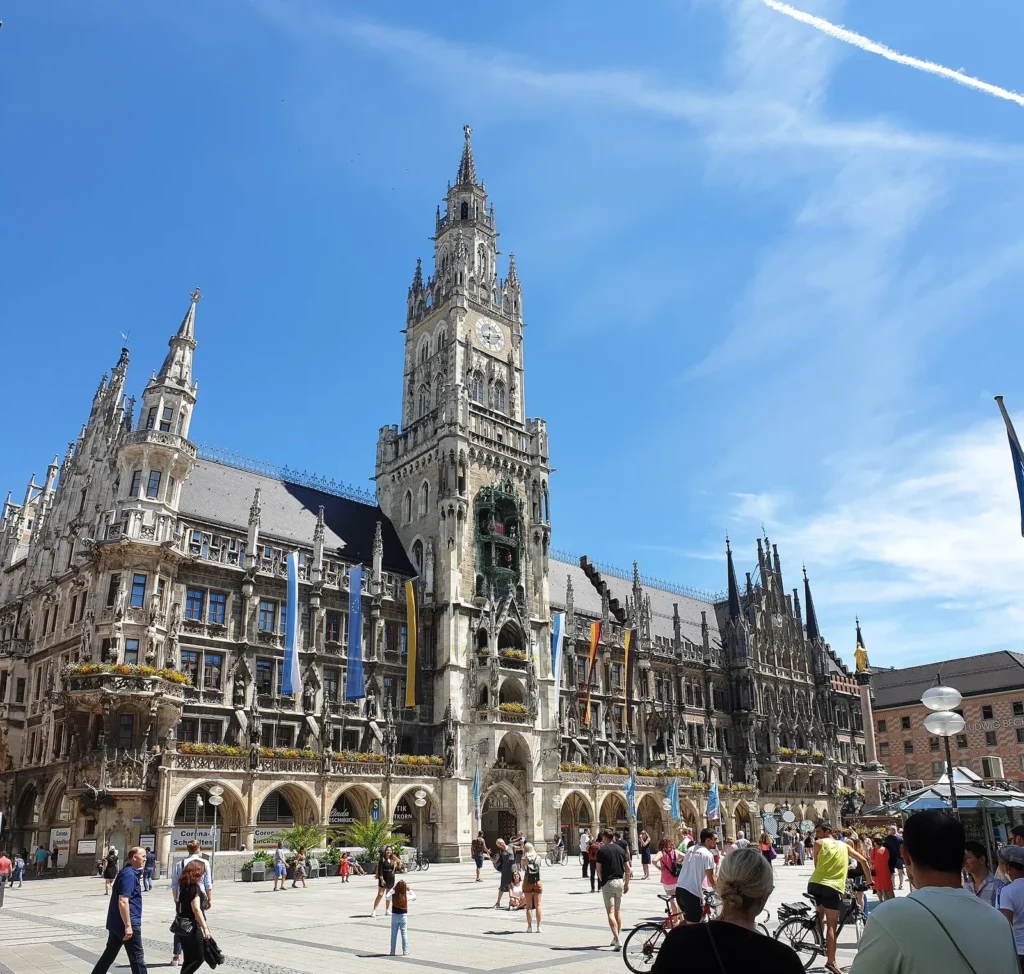
Marienplatz
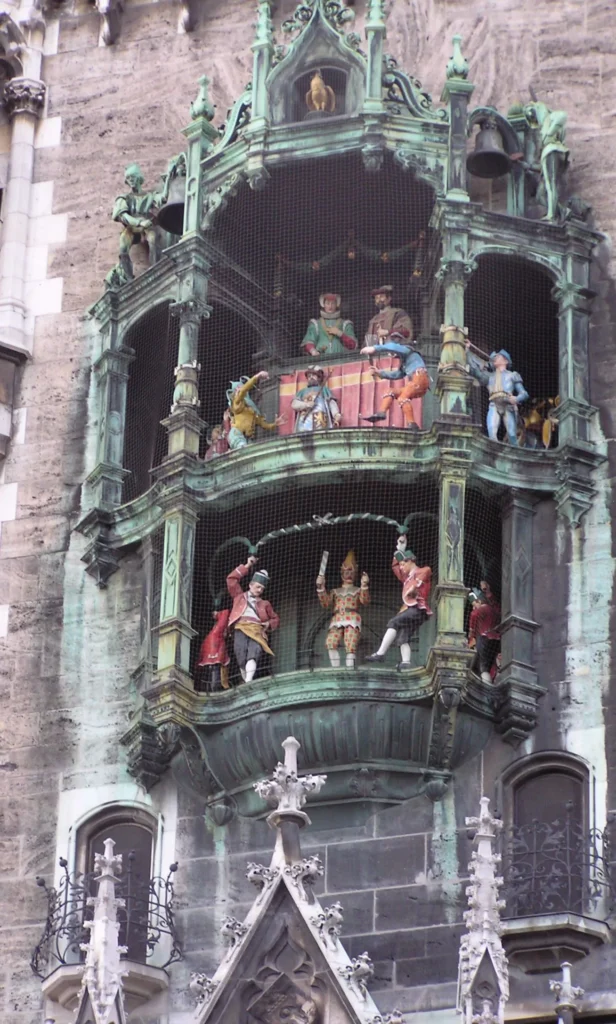
Marienplatz is the city’s main square, with the New Town Hall and the Rathaus-Glockenspiel on the facade. It is a public space and a useful first stop, especially if you time it for the Glockenspiel performance; confirm the current times on the official city pages, because they change. The square gets busy in the middle of the day, so an early arrival is calmer.
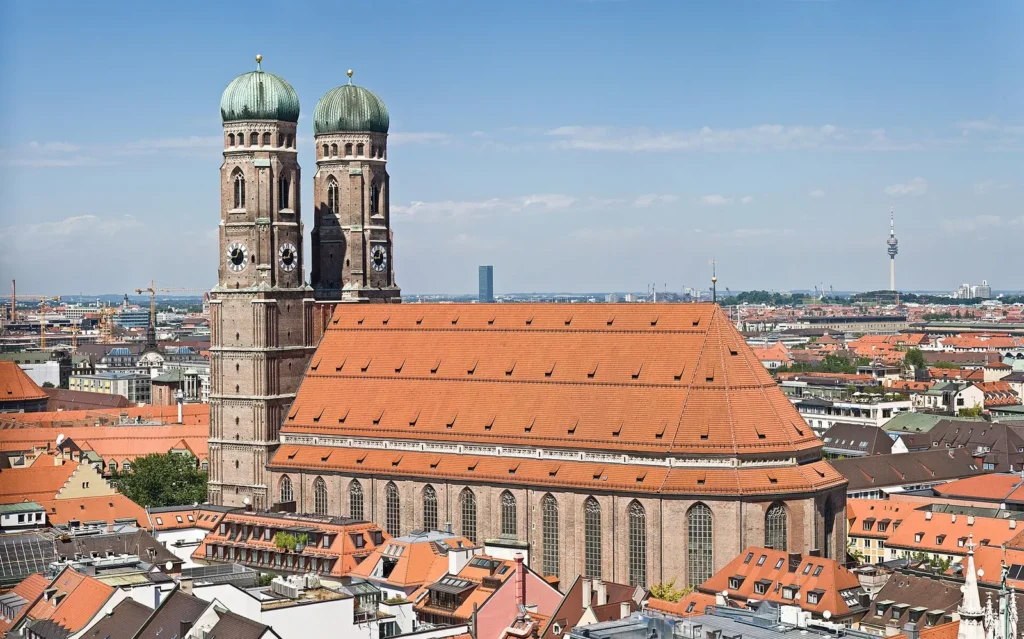
Frauenkirche
The Frauenkirche, with its twin onion-domed towers, is the city’s cathedral and the usual landmark in any skyline view. The interior is free to enter during opening hours, though tower access, if offered, may be ticketed. Dress as you would in any church, and check the official cathedral page before you count on going up a tower.
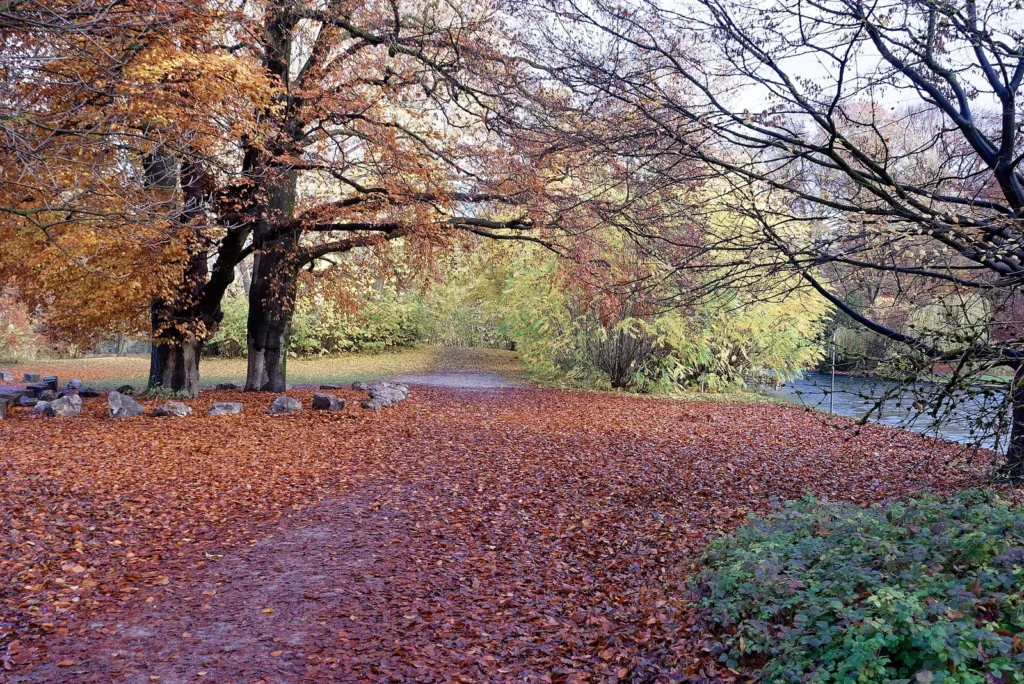
The English Garden
The English Garden is a large public park north-east of the old town, with lawns, a stream and the Monopteros hill temple. It does not need a ticket. It is the easiest place to slow down between indoor sights, and it works well if you are travelling with children. In summer the park is busy; in autumn it is quieter and the paths can be muddy.
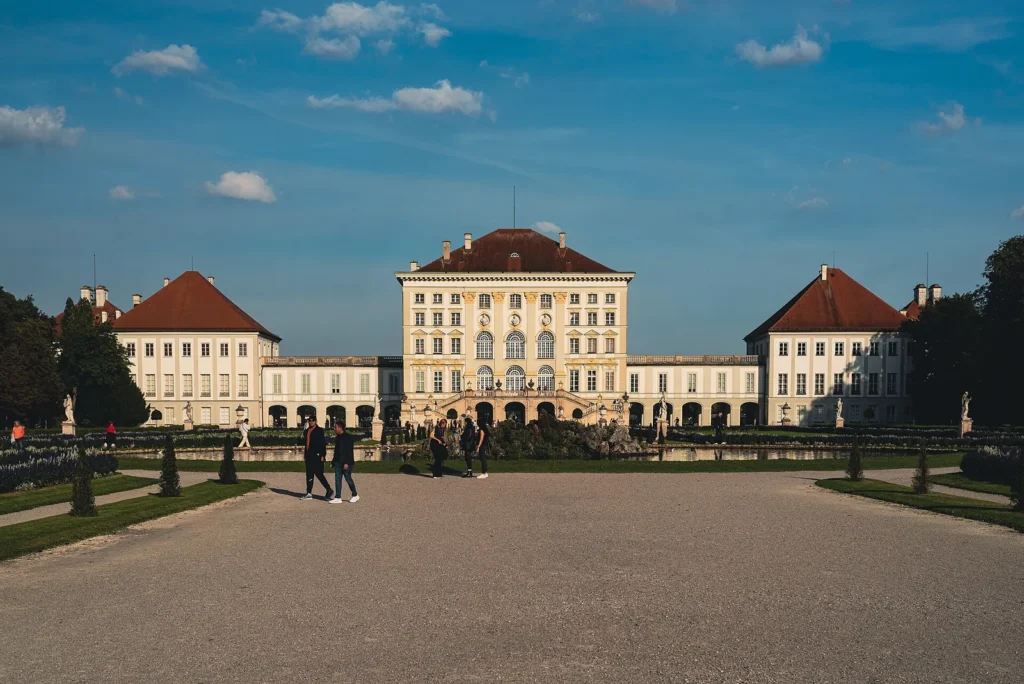
Nymphenburg Palace
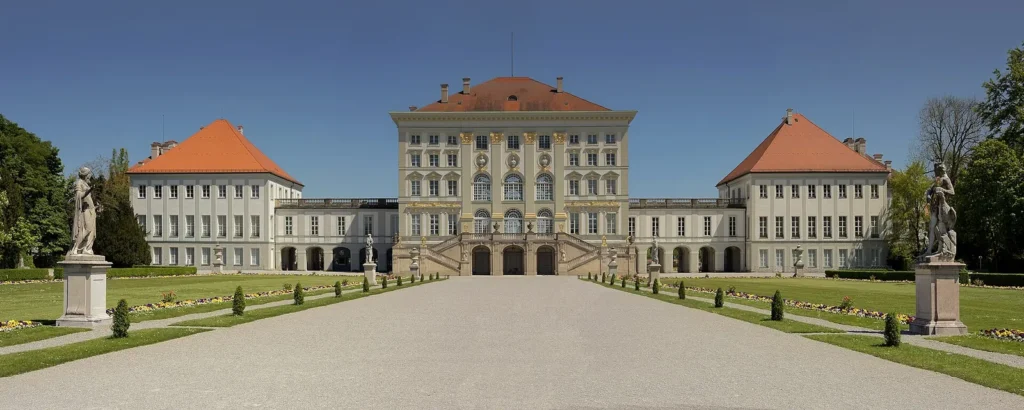
Nymphenburg is the former summer palace, west of the centre, with a long formal garden. The park is one reason to go; the interiors are ticketed and should be booked on the official palace site in peak months. Give this half a day if you want both the building and a walk in the grounds. Trams run out this way; we have not listed fares.
If you have more time
A third day is enough for a museum on Konigsplatz or a shorter trip to Dachau, which is a memorial site with its own visitor rules. For the wider budget and season, see Europe trip cost from India and best time to visit Europe.
FAQ
What are the best things to do in Munich in two days?
Spend one day around Marienplatz and the Frauenkirche, then walk in the English Garden. Use the second day for Nymphenburg, or reverse the order if you prefer a quieter morning in the park.
Is the English Garden free?
Yes. It is a public park. Cafes inside the park set their own prices, which we have not listed.
Do I need a ticket for Marienplatz?
No. The square is public. The Glockenspiel can be watched from the square. Interiors of the town hall, if open, have their own rules.
How do I get to Nymphenburg Palace?
Public trams run from the centre. Check the official MVV pages for the current line and fare; we have not listed them here.
What are things to do in Munich with kids?
The English Garden is the easiest. Marienplatz is fine for a short stop to see the Glockenspiel. Nymphenburg’s garden is large, so keep that visit shorter if you are with young children.
Official resources: City information at muenchen.de. Check official pages for Nymphenburg Palace and the Frauenkirche for current tickets and hours.
Photo credits
Featured image: Strubbl / Wikimedia Commons, CC BY-SA 4.0; Marienplatz: Diliff / Wikimedia Commons, CC BY 2.5; Frauenkirche: Jakub Hałun / Wikimedia Commons, CC BY 4.0; The English Garden: Flocci Nivis / Wikimedia Commons, CC BY 4.0; Nymphenburg Palace: Richard Bartz, Munich aka Makro Freak / Wikimedia Commons, CC BY-SA 2.5; If you have more time: Douglas Wacker (http://students.washington.edu/dwacker) / Wikimedia Commons (public domain).

